MA Voice Pedagogy student Karen Wierzba recently presented at the 11th International Auriculotherapy Symposium
Friday 6th October 2023
Voice Study Centre
We are delighted to report that MA Voice Pedagogy student Karen Wierzba recently presented at the 11th International Auriculotherapy Symposium, held at Villa Copenhagen (Copenhagen, Denmark) from 8th-10th September 2023. The symposium was held on behalf of the Groupe Lyonnais d'Etudes Médicales (GLEM), with the theme of ‘Auriculotherapy meets the Field of Psychology’.
Karen was invited to present, as part of a panel discussion, by the President of Scientific Board Claire-Marie Rangon, MD, Ph.D., who is also her neurologist. In April 2021, Karen was diagnosed with laryngeal dystonia (LD), which led her to enrol on the Voice Study Centre’s MA programme and continue learning.
During the panel discussion, she recounted her medical, psychological and physical journey of recovery so far. It includes beginning auriculotherapy this year, which has driven her to study and research the topic during module six of her MA. Upon completion of the MA, she hopes to go on to complete a doctorate.
Congratulations, Karen!
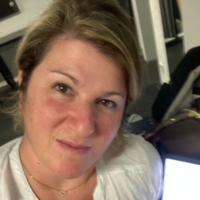
Karen Wierzba
Karen Wierzba is a Canadian soprano who has had an engaging solo classical singing career over the last 30 years since graduating from the University of Toronto’s Music Performance programme, with a focus in voice pedagogy.
Recent Posts
After The Session
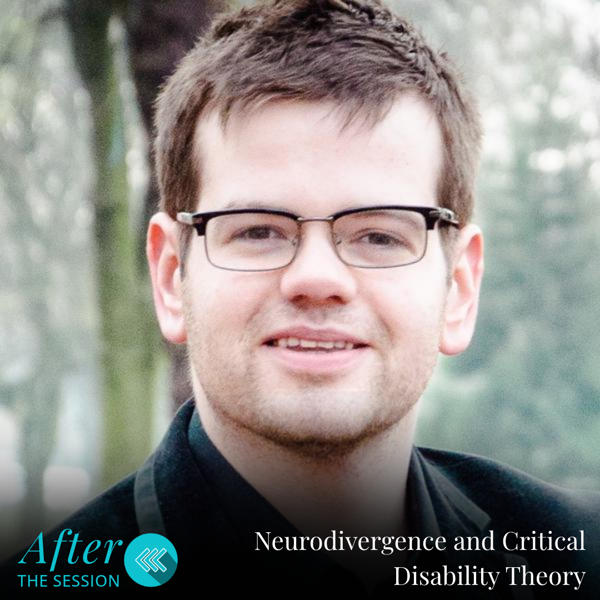
After The Session: Neurodivergence and Critical Disability Theory with Dr David Cane
Voice Study Centre
Monday 9th November 2026A recap of our session with Dr David Cane, Senior Lecturer on the Voice Study Centre MA in Voice Pedagogy, on disability and neurodivergence within the voice teaching studio. When we talk about disability and neurodivergence in voice teaching, the first thing that comes to mind is often a single question: what do I do if a disabled or neurodivergent student walks into my studio? In this session, Dr David Cane invited us to think much bigger. The teacher might be disabled or neurodivergent. So might a choir director or a colleague. The songs we teach may depict or use disability as a metaphor. Even the foundational texts of voice pedagogy carry assumptions about bodies and voices. This was a densely theoretical tour, and David was open about that. His argument was that the most important work is not a checklist of practical tips, but a rethink of what we believe teaching is for. Here are the main threads.
Read More...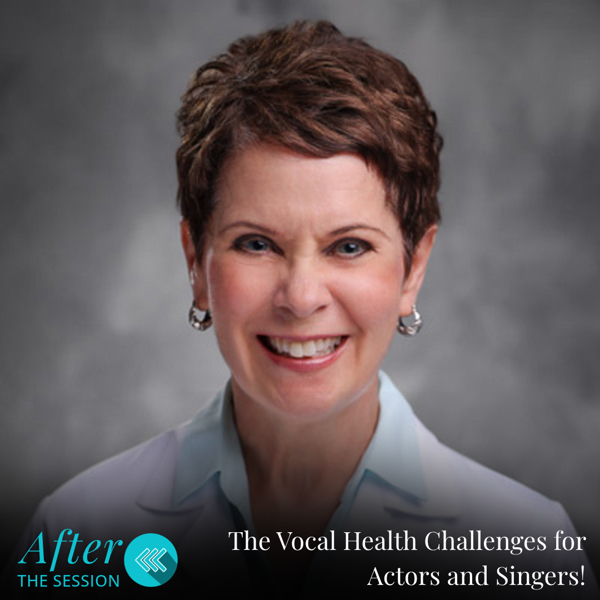
After The Session
After The Session: The Vocal Health Challenges for Actors and Singers with Leda Scearce
Voice Study Centre
Wednesday 4th November 2026A recap of our two-part course with Leda Scearce, singing voice specialist and speech-language pathologist at Duke Voice Care Center in North Carolina. Over two afternoons, Leda Scearce took our community on a deep dive into the voice as a high-performance instrument. A former professional opera singer who taught at several universities before retraining as a speech-language pathologist, Leda now works with singers and other performers who have voice injuries. Her message across both days was clear: singers and actors are vocal athletes, and voice teachers are on the front lines of their vocal health. Here are the highlights from both sessions. Please note that this is a summary of a teaching session, not medical advice. If you or a student have a voice concern, see a qualified voice specialist.
Read More...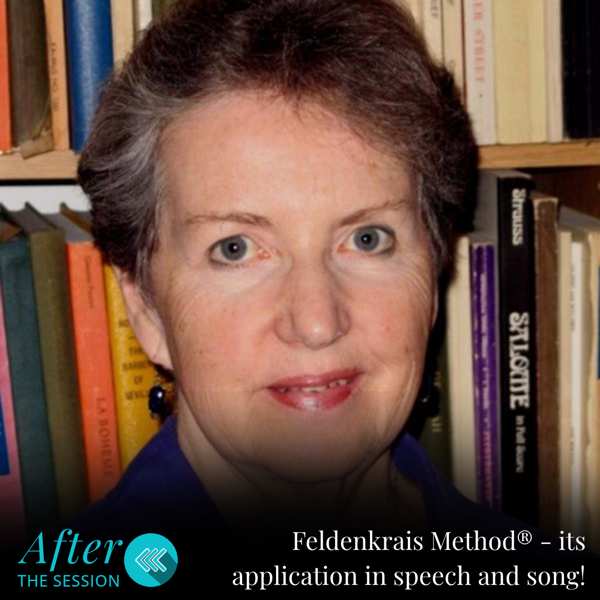
After The Session
After The Session: Feldenkrais Method® - its application in speech and song! with Marina Gilman
Voice Study Centre
Monday 2nd November 2026A recap of our session with Marina Gilman, Guild Certified Feldenkrais Practitioner, singing teacher, performer and licensed speech pathologist specialising in voice. How do we change vocal habits we don't know we have? That was the question at the heart of our latest session with Marina Gilman, and her answer was equal parts science, storytelling and gentle movement. Rather than lecturing from the front, Marina had the whole room (and everyone watching online) moving, sensing and humming along from their chairs. If you joined us, here is a reminder of what we explored. If you missed it, here is a taste of why this method has so many voice teachers talking.
Read More...