MA Voice Pedagogy Student to Present at The Voice Foundation Annual Symposium
Thursday 11th May 2023
Voice Study Centre
We are proud of MA Voice Pedagogy student Fernando Zimmermann, who will deliver a workshop at The Voice Foundation's 52nd Annual Symposium!
Fernando's workshop, 'Four Different Types of Voice Distortions for Contemporary Music' will be hands-on and will provide each participant with instructions and practical exercises on how to access four types of IVD: Growl, Grunt, Overdrive and Creaky.
Congratulations, Fernando!

Fernando Zimmermann
Fernando Zimmermann is an MA Voice Pedagogy student at the Voice Study Center and University of Wales Trinity Saint David....
Recent Posts

Student & Alumni News
One Christmas Piece to Unite Them All: A Czech Christmas Tradition

Adléta Hanžlová
Wednesday 25th November 2026MA Voice Pedagogy student Adléta Hanžlová shares her personal experiences of performing the Czech Christmas Mass and explores the much-loved festive tradition that brings singers and musicians together across the Czech Republic.
Read More...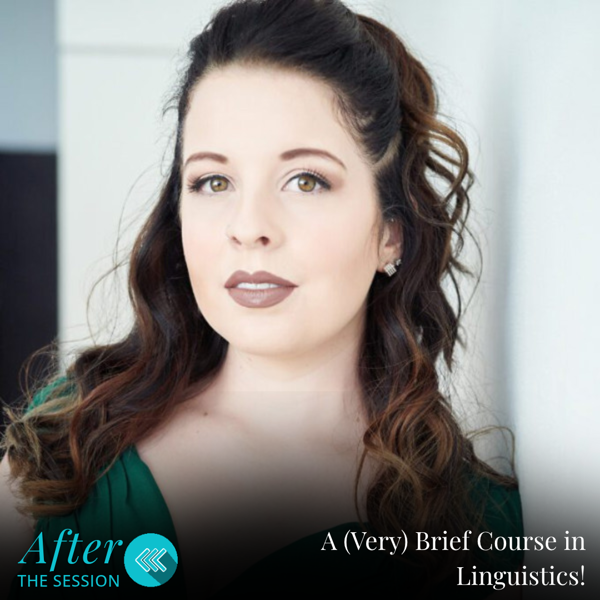
After The Session
After The Session: A (Very) Brief Course in Linguistics! with Miranda Guettlein
Voice Study Centre
Wednesday 18th November 2026A recap of our introductory linguistics course for voice teachers, speech practitioners, actors and dialect coaches, led by Miranda Guettlein, linguist, dialect coach and editor of the Voice and Speech Review.
Read More...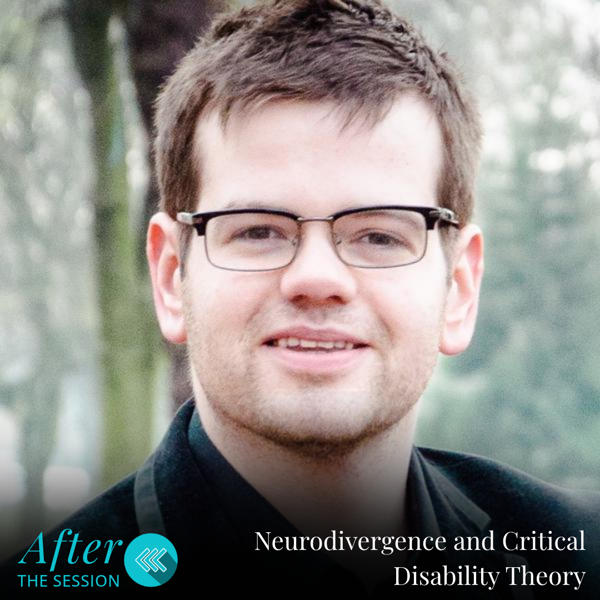
After The Session
After The Session: Neurodivergence and Critical Disability Theory with Dr David Cane
Voice Study Centre
Monday 9th November 2026A recap of our session with Dr David Cane, Senior Lecturer on the Voice Study Centre MA in Voice Pedagogy, on disability and neurodivergence within the voice teaching studio. When we talk about disability and neurodivergence in voice teaching, the first thing that comes to mind is often a single question: what do I do if a disabled or neurodivergent student walks into my studio? In this session, Dr David Cane invited us to think much bigger. The teacher might be disabled or neurodivergent. So might a choir director or a colleague. The songs we teach may depict or use disability as a metaphor. Even the foundational texts of voice pedagogy carry assumptions about bodies and voices. This was a densely theoretical tour, and David was open about that. His argument was that the most important work is not a checklist of practical tips, but a rethink of what we believe teaching is for. Here are the main threads.
Read More...