Discovering ‘Vocal Transparency’: Integrating Miller Voice Method and the Michael Chekhov Technique
Tuesday 19th August 2025, 5:00 PM - 7:00 PM (London Time)
In this workshop, Kristi Dana will offer highlights of her performance and teaching-based research in the search for ‘Vocal Transparency’—a spontaneous, unfiltered, easily understood expression that clearly communicates the point-of-view of the character. She will share key points around the neuroscience of circular breathing techniques, focusing specifically on Miller Voice Method’s “Active Breath” and its integration with the psychophysical approach of the Michael Chekhov Technique.
Participants will first be guided through embodiment of the flow and presence created by Miller Voice Method's “Active Breath”. Focus will be placed on how the Active Breath assists in diminishing the “sculpting” of text that can get in the way of a spontaneous expression.
Next, Kristi will guide participants through the integration of the Active Breath work with select elements of the Michael Chekhov Technique, thereby igniting the imagination, spoken impulse, connection to the body, and revealing the inner psychology of the character. Participants will work with text to experience practical application of the merger of the two approaches.
*Participants may work with their own, memorized text, (just a few lines will do!) but if they do not have any, text will also be provided.

Kristi Dana
Kristi Dana is an Associate Professor of Voice & Speech at Southern Methodist University. She has been studying with and working alongside Scott Miller for the past twelve years, first assisting him at NYU Grad Acting and at the Michael Chekhov Studio in NYC, joining mVm’s first-ever official cohort of certified teachers, and eventually becoming the Director of mVm Miller Voice Method’s Teacher Certification Program and joining its faculty.
Attend this course for as little as £22 as part of the Voice Professional Training CPD Award Scheme.
Learn MoreSorry, this is an archived short course...
We have plenty of upcoming short courses coming soon. See details of some of them below or look at the full list of short courses.

Monday 19th October 2026
2:00 PM - 4:00 PM
Tuesday 20th October 2026
2:00 PM - 4:00 PM
(London Time)
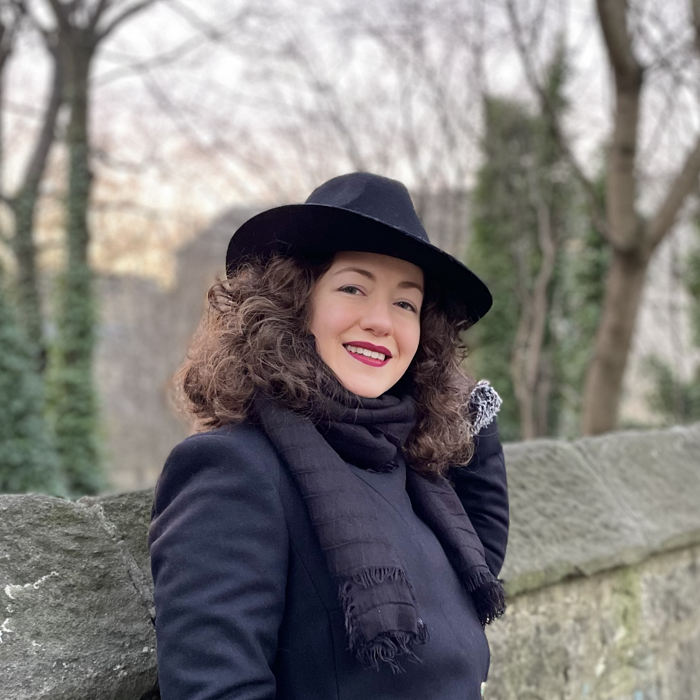
Introduction to Vocal Acoustics for Spoken and Sung Voice

Gökçe Kutsal
This course is designed to break down the fundamentals of acoustics for both spoken and sung voice in a beginner-friendly, accessible way — so you can easily understand and apply these concepts to your teaching or research.
Tuesday 20th October 2026
5:00 PM - 7:00 PM
(London Time)
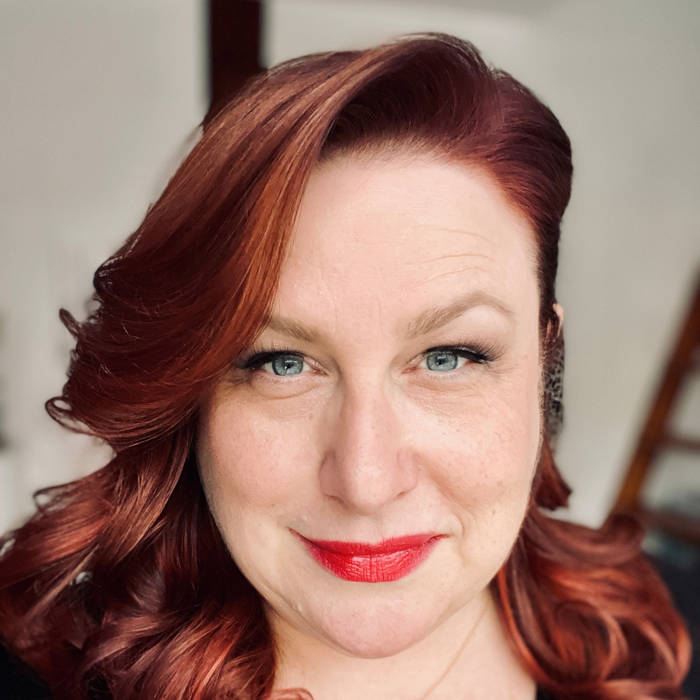
Practical Magic*: The Art & Science of Balancing Voices with SOVTs and VFEs

Melanie Tapson
Through live demonstrations, group practice, and peer coaching, you’ll learn how to teach SOVTs and VFEs with clarity and precision, integrate their principles to support vocal health, recovery, and stylistic flexibility and troubleshoot challenges and adapt exercises for individualized results.
Tuesday 27th October 2026
5:00 PM - 7:00 PM
(London Time)
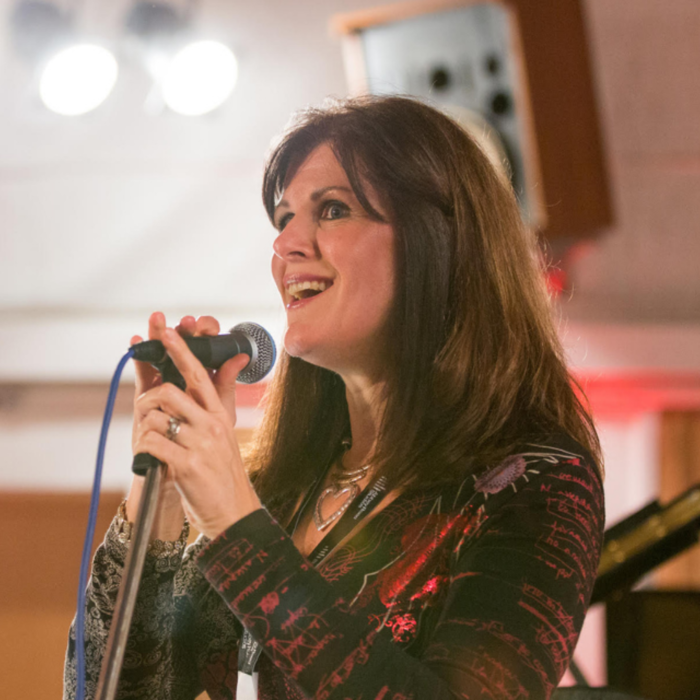
Pop Pedagogy - an Overview

Kim Chandler
Some successful pop stars are celebrating career lengths of over sixty years, having been around since the 1950s when pop music emerged and diversified from jazz, so pop singing has been in existence sufficiently long now that, for teaching purposes, we can observe and analyse what type of approach serves it best.