Study Tip: Schedule Time for Self-care
Thursday 17th August 2023
Voice Study Centre

Embracing self-care isn't just a luxury; it's a vital investment in our well-being, a way to nurture both our physical and mental health.
By prioritising self-care, we equip ourselves with the tools to gracefully navigate stress, fortify our immune system, and unleash boundless energy.
The wisdom shared by the National Institute of Mental Health (2022) underscores the significance of self-care by suggesting that we set aside time for activities that enhance our life, creating a balanced fusion of physical and mental well-being.
Integrating self-care routines into our everyday routine can produce significant outcomes.
Here are some suggestions:
-
Cultivate cherished moments with friends and family to rejuvenate your spirit.
-
Incorporate rejuvenating strolls or gentle stretches into your day, a mindful pause for your body and soul.
-
Grant yourself the indulgence of momentarily stepping back from tasks, relishing a fragrant cup of tea amidst the serenity of your garden.
-
Honour your body's needs with ample, restful sleep to ignite each day with vitality.
-
Dedicate precious time to activities that kindle your inner joy and passion.
Drawing inspiration from reputable sources like the NHS (2022) and Mind (2022), we embark on a journey to harmonise our existence, one self-care ritual at a time.
Let's embark on this transformative odyssey together, nurturing our holistic well-being.
Some resources:
https://www.nimh.nih.gov/health/topics/caring-for-your-mental-health
https://www.mind.org.uk/
https://www.mentalhealth.org.uk/
https://www.nhs.uk/mental-health/self-help/guides-tools-and-activities/five-steps-to-mental-wellbeing/
Recent Posts
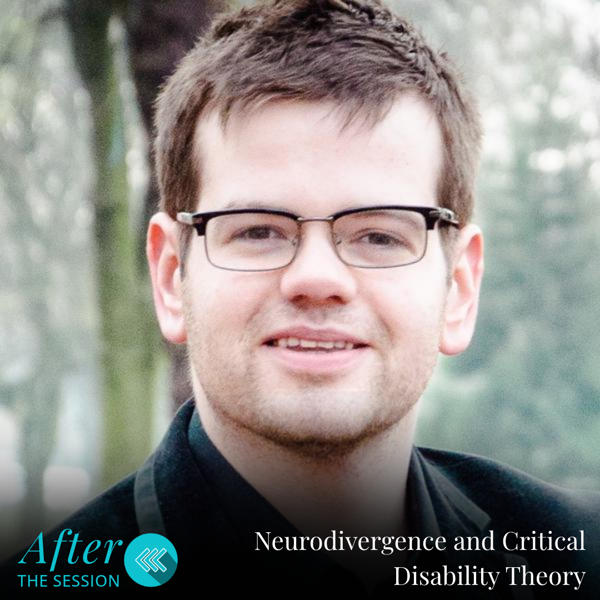
After The Session
After The Session: Neurodivergence and Critical Disability Theory with Dr David Cane
Voice Study Centre
Monday 9th November 2026A recap of our session with Dr David Cane, Senior Lecturer on the Voice Study Centre MA in Voice Pedagogy, on disability and neurodivergence within the voice teaching studio. When we talk about disability and neurodivergence in voice teaching, the first thing that comes to mind is often a single question: what do I do if a disabled or neurodivergent student walks into my studio? In this session, Dr David Cane invited us to think much bigger. The teacher might be disabled or neurodivergent. So might a choir director or a colleague. The songs we teach may depict or use disability as a metaphor. Even the foundational texts of voice pedagogy carry assumptions about bodies and voices. This was a densely theoretical tour, and David was open about that. His argument was that the most important work is not a checklist of practical tips, but a rethink of what we believe teaching is for. Here are the main threads.
Read More...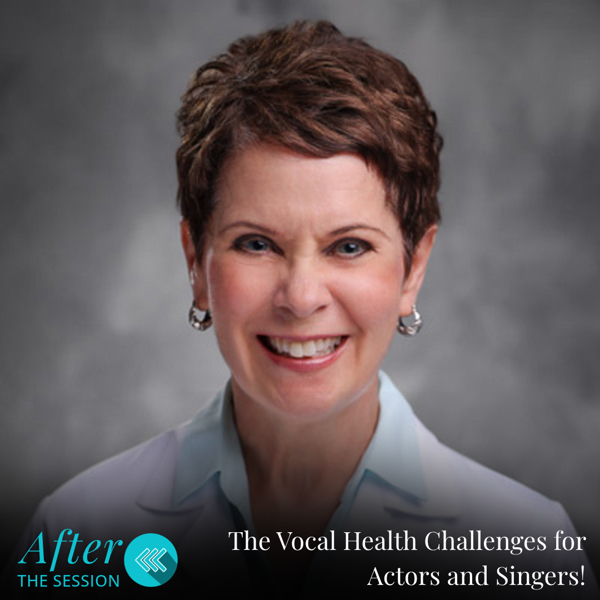
After The Session
After The Session: The Vocal Health Challenges for Actors and Singers with Leda Scearce
Voice Study Centre
Wednesday 4th November 2026A recap of our two-part course with Leda Scearce, singing voice specialist and speech-language pathologist at Duke Voice Care Center in North Carolina. Over two afternoons, Leda Scearce took our community on a deep dive into the voice as a high-performance instrument. A former professional opera singer who taught at several universities before retraining as a speech-language pathologist, Leda now works with singers and other performers who have voice injuries. Her message across both days was clear: singers and actors are vocal athletes, and voice teachers are on the front lines of their vocal health. Here are the highlights from both sessions. Please note that this is a summary of a teaching session, not medical advice. If you or a student have a voice concern, see a qualified voice specialist.
Read More...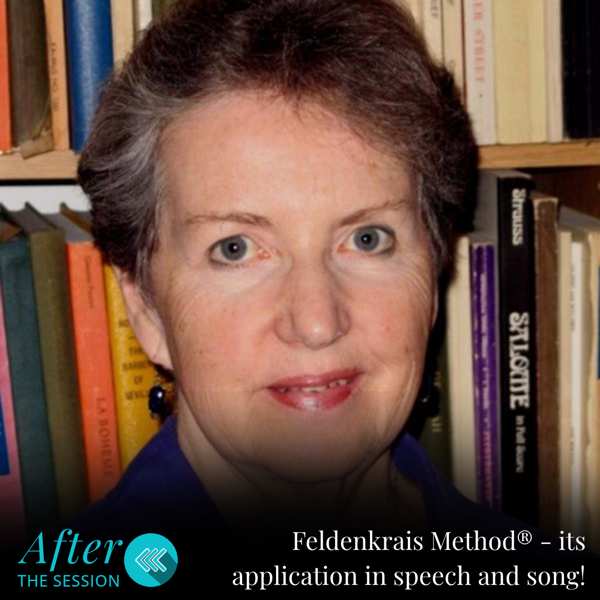
After The Session
After The Session: Feldenkrais Method® - its application in speech and song! with Marina Gilman
Voice Study Centre
Monday 2nd November 2026A recap of our session with Marina Gilman, Guild Certified Feldenkrais Practitioner, singing teacher, performer and licensed speech pathologist specialising in voice. How do we change vocal habits we don't know we have? That was the question at the heart of our latest session with Marina Gilman, and her answer was equal parts science, storytelling and gentle movement. Rather than lecturing from the front, Marina had the whole room (and everyone watching online) moving, sensing and humming along from their chairs. If you joined us, here is a reminder of what we explored. If you missed it, here is a taste of why this method has so many voice teachers talking.
Read More...