Voice Study Centre Is Proud To Support The Musical Breath
Friday 29th January 2021
Voice Study Centre
Over the past decade, support and research within singing for lung health has developed considerably.
In 2014 Phoene Cave (Creative Director of The Musical Breath) was commissioned by the British Lung Foundation to produce and deliver Singing for Lung Health, a singing leader training programme.
The benefits to participants of the programme include:
- Improved breathing control and distraction from breathlessness
- A reduction in the feeling of isolation for participants
- Improved self-management of posture, breath and anxiety
- Improved posturak habits through new exercises (breathing, vocal and postural)
To date, around 150 singing leaders have been trained on the 12-week programme, which was initially funded by the British Lung Foundation.
Trained singing leaders are responsible for setting up COPD groups and securing funding. The latter can prove challenging and time-consuming. Voice Workshop is thrilled to be supporting The Musical Breath in the financing of a new Singing for Lung Health group.
We aim to link theory to practice by funding health initiatives. We are delighted to be working alongside Phoene Cave, both a leading expert and committed practitioner-researcher.

Phoene Cave
Phoene Cave (BMus Hons, PGDip MT, MA) is an HCPC registered music therapist, a CNHC registered shiatsu practitioner, singer, vocal coach and clinical...
Recent Posts
After The Session
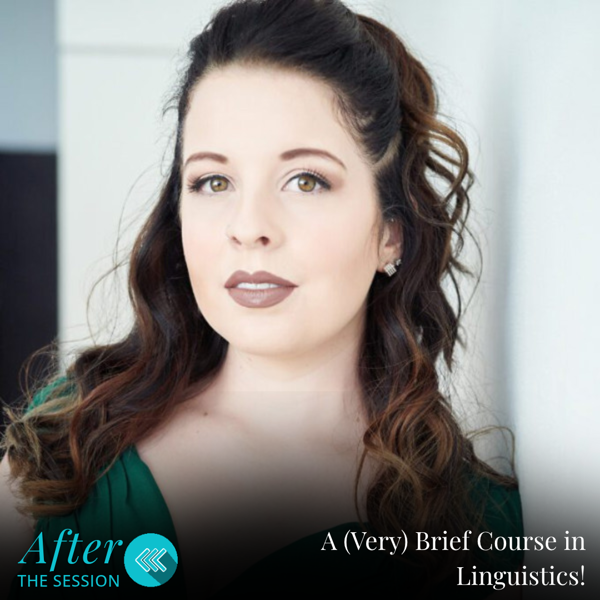
After The Session: A (Very) Brief Course in Linguistics! with Miranda Guettlein
Voice Study Centre
Wednesday 18th November 2026A recap of our introductory linguistics course for voice teachers, speech practitioners, actors and dialect coaches, led by Miranda Guettlein, linguist, dialect coach and editor of the Voice and Speech Review.
Read More...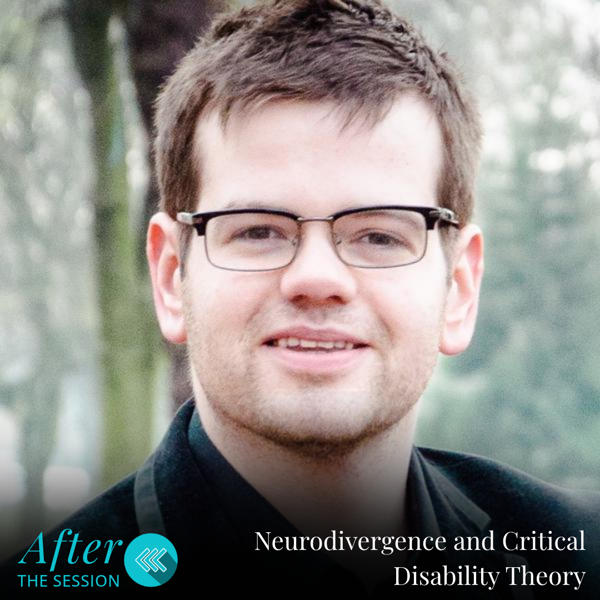
After The Session
After The Session: Neurodivergence and Critical Disability Theory with Dr David Cane
Voice Study Centre
Monday 9th November 2026A recap of our session with Dr David Cane, Senior Lecturer on the Voice Study Centre MA in Voice Pedagogy, on disability and neurodivergence within the voice teaching studio. When we talk about disability and neurodivergence in voice teaching, the first thing that comes to mind is often a single question: what do I do if a disabled or neurodivergent student walks into my studio? In this session, Dr David Cane invited us to think much bigger. The teacher might be disabled or neurodivergent. So might a choir director or a colleague. The songs we teach may depict or use disability as a metaphor. Even the foundational texts of voice pedagogy carry assumptions about bodies and voices. This was a densely theoretical tour, and David was open about that. His argument was that the most important work is not a checklist of practical tips, but a rethink of what we believe teaching is for. Here are the main threads.
Read More...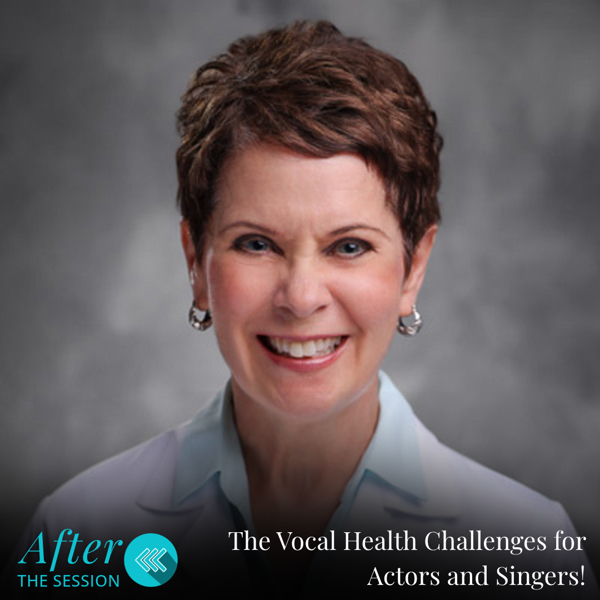
After The Session
After The Session: The Vocal Health Challenges for Actors and Singers with Leda Scearce
Voice Study Centre
Wednesday 4th November 2026A recap of our two-part course with Leda Scearce, singing voice specialist and speech-language pathologist at Duke Voice Care Center in North Carolina. Over two afternoons, Leda Scearce took our community on a deep dive into the voice as a high-performance instrument. A former professional opera singer who taught at several universities before retraining as a speech-language pathologist, Leda now works with singers and other performers who have voice injuries. Her message across both days was clear: singers and actors are vocal athletes, and voice teachers are on the front lines of their vocal health. Here are the highlights from both sessions. Please note that this is a summary of a teaching session, not medical advice. If you or a student have a voice concern, see a qualified voice specialist.
Read More...