Exploring the Manifestation of Vocal Fatigue in Singers
Thursday 13th June 2024, 5:00 PM - 7:00 PM (London Time)
Vocal fatigue is a highly complex, multi-faceted phenomenon that lacks a universally accepted definition in the voice literature. Vocal fatigue is frequently identified symptomatically and may impact voice quality, dynamic range, pitch range, vocal effort, and laryngeal discomfort.
Although a robust area of research, there remains much for voice scientists to discover regarding its underlying mechanisms. This course will delve into vocal fatigue research and the different ways vocal fatigue can manifest in singers.
Symptoms of vocal fatigue vary among singers and the ways in which minor vocal fatigue affects vocal performance may be very subtle. For elite level singers, temporary changes in vocal function due to even slight vocal fatigue may be unsettling and could potentially have professional implications. Dr Melissa Treinkman will share insights from her own research with classical singers and the impact of vocal fatigue on specific parts of the vocal range.
The final part of this course will be practical and interactive. Participants will learn the best ways to prevent vocal fatigue, strategies for mitigating the effects of vocal fatigue, and psychological considerations for high-level vocal athletes.

Dr Melissa Treinkman
Melissa Treinkman, DMA, is an assistant professor of musical theatre vocal performance at the University of Southern California, where she teaches applied voice and vocal pedagogy.
Attend this course for as little as £22 as part of the Voice Professional Training CPD Award Scheme.
Learn MoreSorry, this is an archived short course...
We have plenty of upcoming short courses coming soon. See details of some of them below or look at the full list of short courses.

Friday 30th October 2026
3:00 PM - 5:00 PM
(London Time)
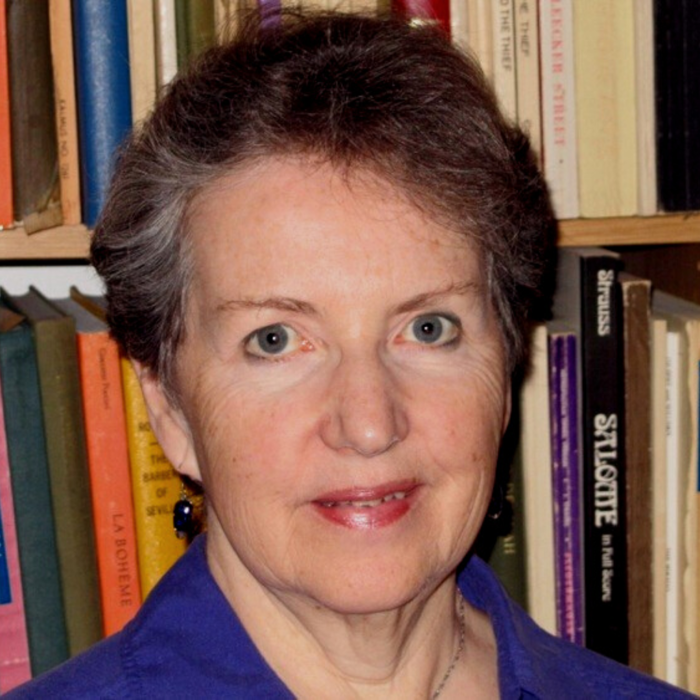
Feldenkrais Method® - its application in speech and song!

Marina Gilman
The Feldenkrais Method® is a form of somatic education that uses gentle movement and directed attention to improve physical and mental functioning, including singing and speaking. Since we are not always aware of the source of tension or discoordination, it is difficult to make the necessary adjustments to ensure optimal use of the voice!

Monday 2nd November 2026
5:00 PM - 7:00 PM
Tuesday 3rd November 2026
5:00 PM - 7:00 PM
(London Time)
The Vocal Health Challenges for Actors and Singers!

Leda Scearce
Two part course! Vocal health principles are inextricably and symbiotically linked with singing and acting voice pedagogy: Good vocal health allows the singer and actor to more easily and effectively achieve their technical and artistic goals, and good teaching reinforces vocal technique that diminishes the risk of vocal injury. We now also recognize the necessity for singers and actors to understand how their instruments work, how to take care of their voices, and what to do when something goes wrong. Singing and acting teachers are indeed on the front lines of vocal health!
Friday 6th November 2026
3:00 PM - 5:00 PM
(London Time)
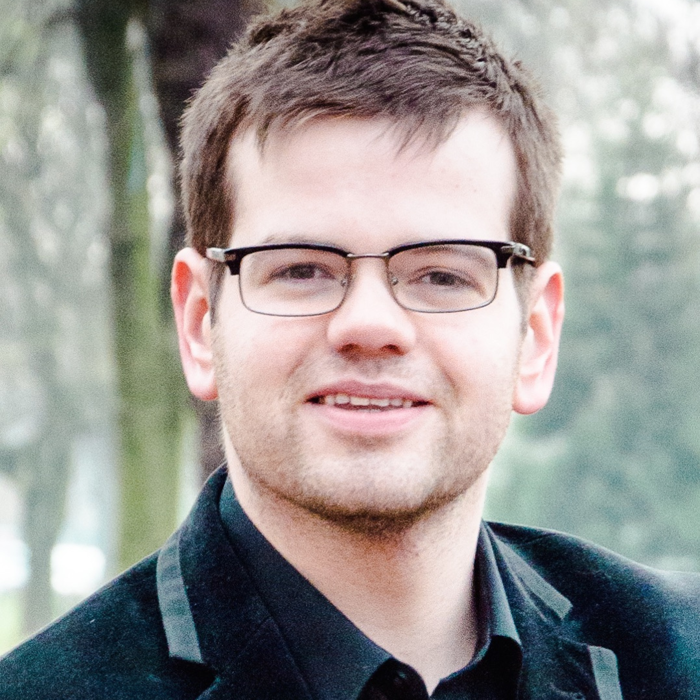
Neurodivergence and Critical Disability Theory

Dr David Cane
Hosted by our very own Dr David Cane, this two-hour session offers a timely and reflective opportunity to explore disability and neurodivergence within the voice teaching studio. Grounded in the field of critical disability studies, it will be of particular interest to voice professionals who wish to foster a more inclusive, reflexive and accessible practice.