Neurodivergence and Critical Disability Theory
Friday 30th January 2026, 3:00 PM - 5:00 PM (London Time)
This session offers a timely and reflective opportunity to explore disability and neurodivergence within the voice teaching studio. Grounded in the field of critical disability studies, it will be of particular interest to voice professionals who wish to foster a more inclusive, reflexive and accessible practice.
We will explore how ideas about disability and ability have developed over time, and how these ideas have shaped approaches to voice teaching. You will learn about the history of disability, the disability rights movements of the 20th century, and contemporary frameworks such as disability justice, DisCrit, crip theory, and the concepts of misfitting and neuroqueer. These will provide a foundation for thinking critically about voice pedagogy, and imagining and developing more equitable approaches to teaching and learning.
Throughout the course, you will be invited to engage in critical reflection and discussion. You will be supported in developing practical strategies and resources that align with inclusive and anti-ableist pedagogical values, with a view to applying these in your own professional context.
🏷️ Price £30 (UK VAT inclusive)
🎥 Recording automatically sent to all who book (even if you cannot attend live)
▶️ Rewatch as many times as you like
📜 Certificate of attendance available
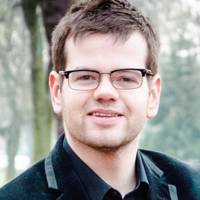
Dr David Cane
David is a lecturer, researcher, singer, singing teacher and choir director. He is a former choral scholar of King’s College, Cambridge where he studied for a degree in Theology and Religious Studies.
Attend this course for as little as £22 as part of the Voice Professional Training CPD Award Scheme.
Learn MoreSorry, this is an archived short course...
We have plenty of upcoming short courses coming soon. See details of some of them below or look at the full list of short courses.

Wednesday 4th March 2026
1:00 PM - 2:00 PM
Wednesday 11th March 2026
1:00 PM - 2:00 PM
Wednesday 18th March 2026
1:00 PM - 2:00 PM
Wednesday 25th March 2026
1:00 PM - 2:00 PM
Wednesday 1st April 2026
1:00 PM - 2:00 PM
Wednesday 8th April 2026
1:00 PM - 2:00 PM
(London Time)
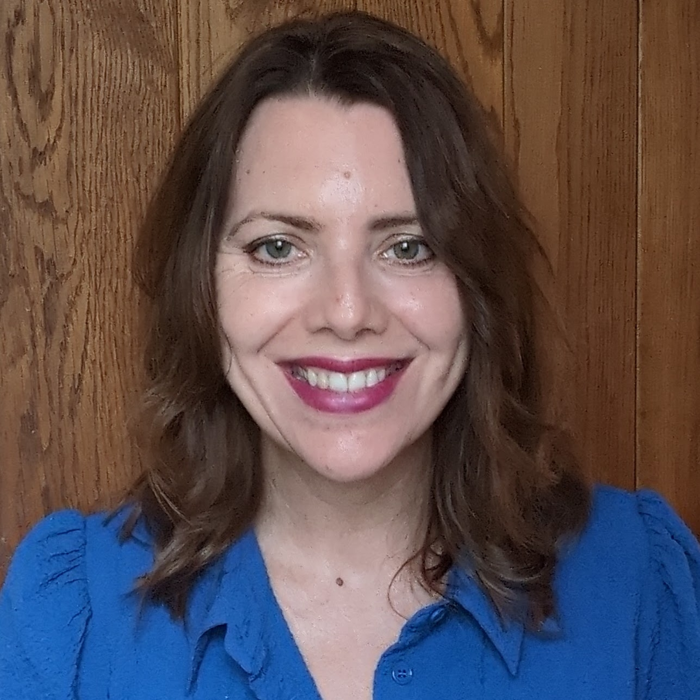
Learn to Coach RP and SSBE – a Certificate in Accent Coaching

Louisa Morgan
This six-week course is an opportunity to learn about both Received Pronunciation and Standard Southern British English. Rather than a course in learning how to speak RP/SSBE (there are many brilliant available courses for this already), this course is about learning how to coach it.
Thursday 9th April 2026
1:00 PM - 2:30 PM
Thursday 16th April 2026
1:00 PM - 2:30 PM
Thursday 23rd April 2026
1:00 PM - 2:30 PM
Thursday 30th April 2026
1:00 PM - 2:30 PM
Thursday 7th May 2026
1:00 PM - 2:30 PM
(London Time)
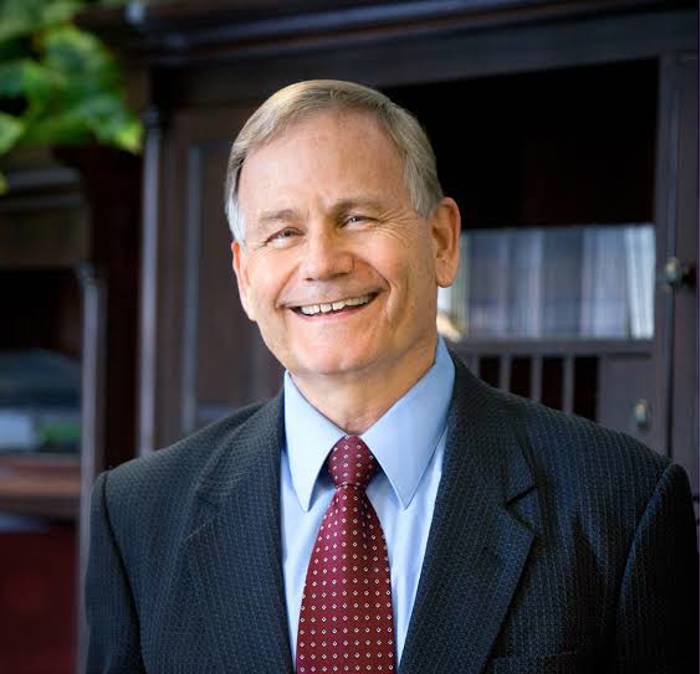
Introduction to Postgraduate Academic Skills - Join Live!

Debbie Winter
Are you ready to elevate your academic journey? Hosted by our very own Debbie Winter, join our comprehensive Introduction to Academic Skills course, designed to equip you with essential tools and strategies for success in higher education. Perfect for bridging the gap between undergraduate and postgraduate study, this course offers a pathway to our full MA for students without an existing degree. We offer both live, interactive sessions and standalone, pre-recorded content.

Thursday 9th April 2026
5:00 PM - 7:00 PM
(London Time)
The Acoustics and Mechanics of Whistle Voice

Dr Ingo Titze
Join Dr Ingo Titze for this 2-hour session, as he dives deep into the physiological and acoustic mysteries of the human "whistle voice"—the highest register of the human vocal range. While often compared to a flute or a lip whistle, recent research suggests the biological reality is far more complex than simple aerodynamics!