Short Courses & Events / Archive

The Alexander Technique: Principles, Application, and Voice Integration!

Wednesday 15th October 2025, 2:00 PM - 4:00 PM (London Time)

Developed by Australian actor F.M. Alexander in the late 19th century, the Alexander Technique evolved from Alexander’s voice loss during performance. As a precursor to modern mind/body practices, the Alexander Technique focuses on re-education through restoring and maintaining optimal coordination and preventing future injurious movement patterns.

Voice teachers have long recommended the Alexander Technique to improve posture and vocal function. Studies have shown alterations to vocal quality and reductions in performance anxiety following Alexander Technique intervention.

This short course will emphasize universal aims considered beneficial to voice users, including mitigating excess tension and breaking harmful habits. The four Alexander Technique procedures explored will include:

  • Semi-supine (constructive rest, lie-down)
  • Position of mechanical advantage (monkey)
  • The whispered “ah”
  • Hands on the back of a chair

Specific speech and singing applications and adaptations will be introduced and integrated into these procedures. Participants will experience how to apply Alexander Technique principles personally and consider how this work may benefit their students.
🏷️ Price £30 (UK VAT inclusive)
🎥 Recording automatically sent to all who book (even if you cannot attend live)
▶️ Rewatch as many times as you like
📜 Certificate of attendance available

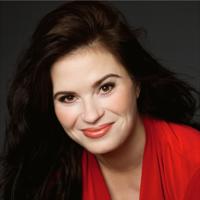
Michele Capalbo

Michele Capalbo is a performer, adjudicator, lecturer, teacher and researcher. A Canadian singer with over two decades of international performance experience in opera and concert, her specialty is the music of Verdi and Puccini.
CPD Course Logo

Attend this course for as little as £22 as part of the Voice Professional Training CPD Award Scheme.

Learn More

Sorry, this is an archived short course...

We have plenty of upcoming short courses coming soon. See details of some of them below or look at the full list of short courses.

It’s not a virus! Reconceptualizing and De-pathologizing Music Performance Anxiety
Thursday 19th February 2026
8:30 AM - 10:30 AM
(London Time)

It’s not a virus! Reconceptualizing and De-pathologizing Music Performance Anxiety

Rebecca Herman

Performance Anxiety is one of the most widespread and debilitating challenges facing musicians across all ages, nationalities and musical genres. Despite decades of research and the development of numerous interventions, we do not yet have an established way of supporting performers experiencing performance anxiety. Aimed at performers, teachers, researchers and students, this presentation will first summarise the current state of play in performance anxiety research, before exploring alternative ways to think about performance anxiety, drawing on new research outside of performance psychology...

Performing Pain: Vocal Health in Emotional Roles!
Thursday 19th February 2026
1:00 PM - 2:30 PM
Thursday 26th February 2026
1:00 PM - 2:30 PM
(London Time)

Performing Pain: Vocal Health in Emotional Roles!

Louisa Morgan

How connected are acted emotions to our real-life emotions? Are they expressed differently? Do they feel different in the body? This 2-part course with Louisa Morgan looks at the potential impact of acted emotion on vocal health, why we should consider it as voice practitioners, and how to care for our performers needing to work with it.

Incorporating CBT principles within vocal health and voice care
Tuesday 24th February 2026
5:00 PM - 7:00 PM
(London Time)

Incorporating CBT principles within vocal health and voice care

Dr Luke Aldridge-Waddon

Join Dr Luke Waddon as he introduces the principles and techniques within cognitive-behavioural therapy (CBT) in relation to the voice and voice care. He will discuss psychological factors relevant to the development and maintenance of voice disorders and how these might be approached from a cognitive-behavioural perspective. He will describe theoretical concepts and therapeutic components often used within CBT and consider how these might be applied when working with voice users.