A Critical Overview of Perceptual Motor Learning: Coaching Implications
Tuesday 13th January 2026, 12:00 PM - 2:00 PM (London Time)
Perceptual motor learning (PML) theory is characterised by the convergence of perception and action. PML focuses on how we teach, not what we teach, in order to optimise learning and ultimately, performance.
This short course will outline strategies for teaching and coaching with both long- and short-term goals in mind. These strategies have been adapted for the voice from motor learning theory and the Alexander Technique.
Specific topics discussed will include:
- How we learn: A quick overview
- Relevance of motivation
- Optimising practice strategies
- Perception and sensory feedback
- Tactics to interrupt and break injurious habits
- Developing customised practice guidelines
- Locus of attention
- Intrinsic and extrinsic feedback
- Matching extrinsic feedback to students’ level and goals
- Coaching modifications preceding performance
- Relevance of the Alexander Technique
Expert-level performance strategies discussed will include automaticity and attentional flexibility.
The goal of this course is to provide adaptive guidance for effective learning that includes PML research, coach or teacher expertise, and the viewpoint of the student.
🏷️ Price £30 (UK VAT inclusive)
🎥 Recording automatically sent to all who book (even if you cannot attend live)
▶️ Rewatch as many times as you like
📜 Certificate of attendance available
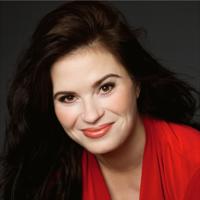
Michele Capalbo
Michele Capalbo is a performer, adjudicator, lecturer, teacher and researcher. A Canadian singer with over two decades of international performance experience in opera and concert, her specialty is the music of Verdi and Puccini.
Attend this course for as little as £22 as part of the Voice Professional Training CPD Award Scheme.
Learn MoreSorry, this is an archived short course...
We have plenty of upcoming short courses coming soon. See details of some of them below or look at the full list of short courses.
Tuesday 13th October 2026
1:00 PM - 2:00 PM
(London Time)
MA Voice Pedagogy: Online Information Session & Q&A

Debbie Winter
Considering our MA Voice Pedagogy? Join our Director for a focused online presentation and discussion to explore the course, ask questions, and discover whether postgraduate study at Voice Study Centre is right for you.

Tuesday 13th October 2026
2:00 PM - 4:30 PM
(London Time)
Musical Theatre Singing Pedagogy: A Framework for Teaching Musical Theatre Singers!

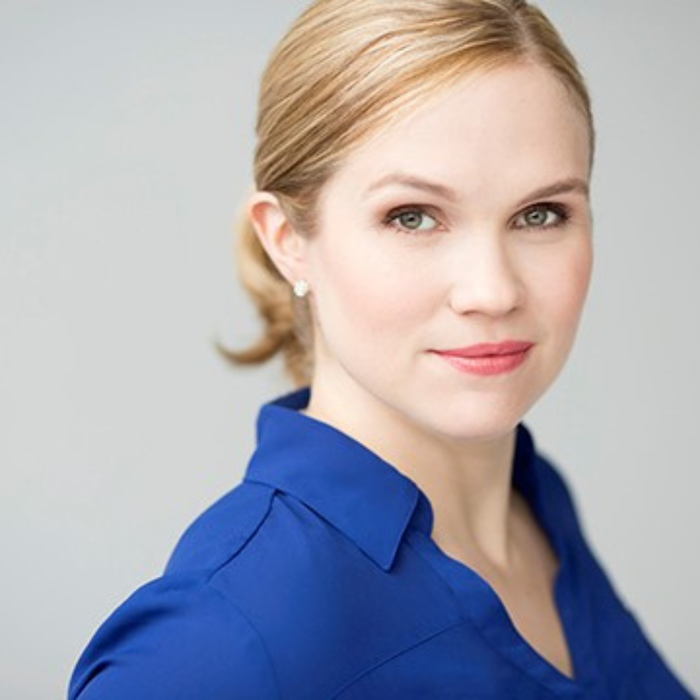
Amanda Flynn
Join Amanda Flynn for this extended 2.5 hour session on the the pedagogy of teaching musical theatre singing. She will begin by exploring the flexibility needed for musical theatre singing through definitions, listening exercises, and some historical context.

Wednesday 14th October 2026
3:00 PM - 5:00 PM
(London Time)
Thinking Outside the Voice Box: Adolescent Female Voice Change

Dr Bridget Sweet-Manternach
Join Dr Bridget Sweet for this 2 hour session as she unpacks this fascinating topic. The purpose of this course is to bring attention to adolescents who experience an estrogen-dominant voice change and to encourage new and holistic ways of thinking about [assigned at birth] female voices. While considering physical changes during adolescence, we will unpack basic vocal anatomy and physiology and then discuss what happens to the vocal mechanism during voice change for females vs. [assigned at birth] males.