Accents in Musical Theatre Singing!
Wednesday 9th July 2025, 2:00 PM - 4:00 PM (London Time)
Colton Weiss (he/they) is a professional dialect coach, actor, and lecturer (Ohio State Univ.) based out of Columbus, Ohio. With the continued popularity and development of productions that call for more demanding voice, speech, and accent work, dialect coaches, music directors, and actors must collaborate across jobs. Inspired from the text, Voice and Speech for Musical Theatre by Chris Palmer, and ongoing production experience, this presentation by Colton explores the intersections of accent work, and the musical skills needed for actors to perform in Musical Theatre.
Colton has 10+yrs experience working on and off stage ranging from Broadway level musicals and classic opera to outdoor Shakespeare. His clients range from local middle school/high school students and working adults, to professionals performing regionally and on Broadway. Favorite coaching credits include: Actors’ Theatre of Columbus (Robin Hood, Sense and Sensibility - 2023 season), Columbus Children's Theatre (Disney’s Newsies - Dir. Joe Deer), and A.R.T.@Oberon (Violet the Musical - Dir. Sammi Cannold from How to Dance in Ohio). He is a proud graduate of Ohio State and Harvard University and member of the Voice and Speech Trainers’ Association (VASTA).
🏷️ Price £30 (UK VAT inclusive)
🎥 Recording automatically sent to all who book (even if you cannot attend live)
▶️ Rewatch as many times as you like
📜 Certificate of attendance available
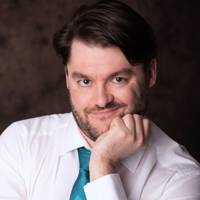
Colton Weiss
Colton Weiss (he/they) is a professional dialect coach, actor, and lecturer (Ohio State Univ.) based out of Columbus, Ohio. Colton has 10+yrs experience working on and off stage ranging from Broadway level musicals and classic opera to outdoor Shakespeare.
Attend this course for as little as £22 as part of the Voice Professional Training CPD Award Scheme.
Learn MoreSorry, this is an archived short course...
We have plenty of upcoming short courses coming soon. See details of some of them below or look at the full list of short courses.

Monday 28th September 2026
1:00 PM - 2:30 PM
Tuesday 29th September 2026
1:00 PM - 2:30 PM
Wednesday 30th September 2026
1:00 PM - 2:30 PM
Thursday 1st October 2026
1:00 PM - 2:30 PM
Friday 2nd October 2026
1:00 PM - 2:30 PM
(London Time)
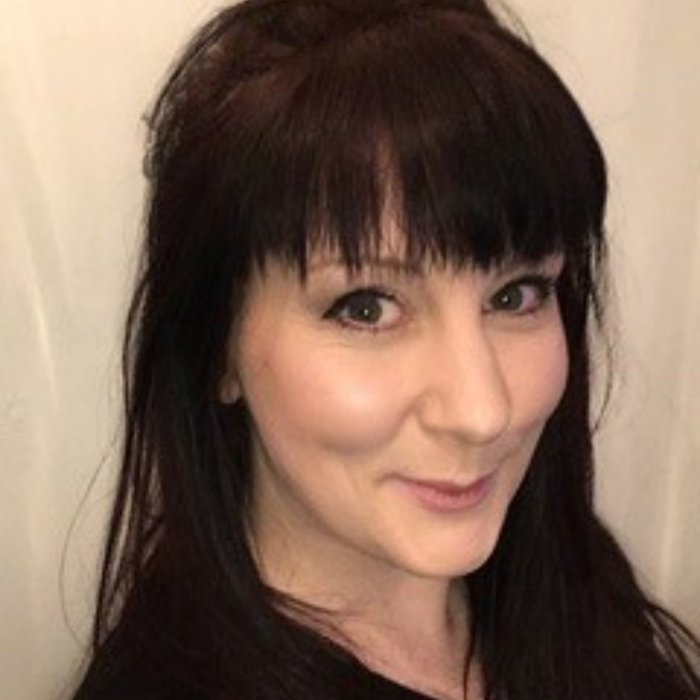
Certificate in Executive Voice Coaching and Communication

Louisa Morgan
This five-day course is designed for professional coaches who want to extend their practice into executive coaching, leadership communication, and professional corporate voice work.

Friday 2nd October 2026
12:30 PM - 2:30 PM
(London Time)
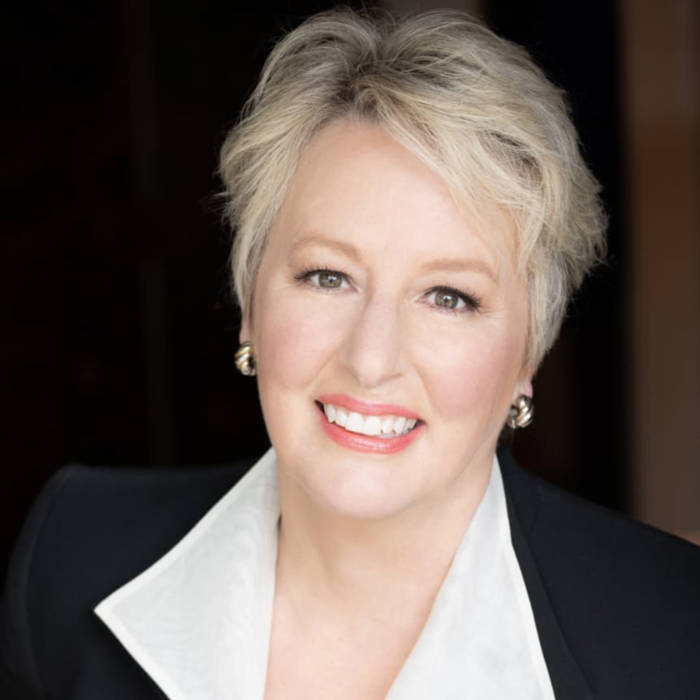
Muscle Tension Dysphonia in the Singing Voice!

Dr Claire Thomas
Join Dr Claire Thomas for a practical 2-hour workshop for singing teachers and voice practitioners! Building upon the previous course to create a practical teacher pathway in order to recognise what is happening, reduce unnecessary effort, transfer coordination into singing, manage load and recovery and know when to refer back. Not one size fits all, but a guide to making informed choices with voice users. Based on a five-year investigative project, the course equips singing teachers with the knowledge and practical tools needed to confidently understand MTD, and support singers experiencing MTD beyond their initial therapeutic input.
Tuesday 6th October 2026
5:00 PM - 7:00 PM
(London Time)
Inspired Not Bound: The Promise of Science-Informed Voice Pedagogy

Lynn Helding
Lynn Helding defines Science-Informed Voice Pedagogy in her upcoming book Practicing Science-Informed Voice Training as, “A type of hybrid singing voice pedagogy that unites science and art by researching current voice science, translating it, combining it with extant historic voice knowledge, and transmitting it to singers.” Join Lynn Helding as she seeks to understand human behaviour of both sides of the “Science versus Art” debate via research from the fields of cognitive science and behavioural science, focussing particularly on lessons learned due to several societal shifts.