AI Assisted Voice Training and Business Development
Thursday 20th August 2026, 5:00 PM - 7:00 PM (London Time)
This two-hour Short Course builds on the foundations of AI for voice educators by focusing on practical applications for running and growing a teaching studio. Designed specifically for voice teachers, the session shows how AI can support studio operations, content creation, research, and business development, with one foundational skill at its core: training AI in your own teaching voice, pedagogy, and communication style.
Participants will learn how to craft effective prompts and see live demonstrations of AI generating student handouts, studio policies, landing-page copy, business plans, and recurring administrative writing, as well as serving as a research partner for voice science. The class also covers how to recognise and edit out "AI slop" so output still sounds like you, and introduces Custom GPTs, Claude Skills, and agentic tools such as Claude Code and Claude Cowork.
Ethical use and critical thinking remain central themes, with a focus on the questions teachers face right now, including student privacy and consent (such as the use of AI notetakers during online lessons), and verifying voice-science claims before passing them on to students.
By the end of this Short Course, attendees will know how to train AI in their own teaching voice, generate studio assets that sound authentically like them, use AI as a research partner, and apply clear ethical limits to its use.
🏷️ Price £30 (UK VAT inclusive)
🎥 Recording automatically sent to all who book (even if you cannot attend live)
▶️ Rewatch as many times as you like
📜 Certificate of attendance available
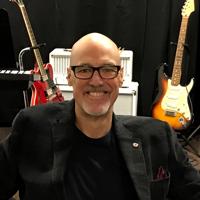
John Henny
John has been a leading voice teacher for over 25 years. He has taught thousands of singers, including Grammy winners and top background and session singers. John's students have appeared on Broadway and in major touring companies.
Attend this course for as little as £22 as part of the Voice Professional Training CPD Award Scheme.
Learn MoreSorry, this is an archived short course...
We have plenty of upcoming short courses coming soon. See details of some of them below or look at the full list of short courses.


Monday 19th October 2026
2:00 PM - 4:00 PM
Tuesday 20th October 2026
2:00 PM - 4:00 PM
(London Time)
Introduction to Vocal Acoustics for Spoken and Sung Voice

Gökçe Kutsal
This course is designed to break down the fundamentals of acoustics for both spoken and sung voice in a beginner-friendly, accessible way — so you can easily understand and apply these concepts to your teaching or research.

Tuesday 20th October 2026
5:00 PM - 7:00 PM
(London Time)
Practical Magic*: The Art & Science of Balancing Voices with SOVTs and VFEs

Melanie Tapson
Through live demonstrations, group practice, and peer coaching, you’ll learn how to teach SOVTs and VFEs with clarity and precision, integrate their principles to support vocal health, recovery, and stylistic flexibility and troubleshoot challenges and adapt exercises for individualized results.
Tuesday 27th October 2026
5:00 PM - 7:00 PM
(London Time)
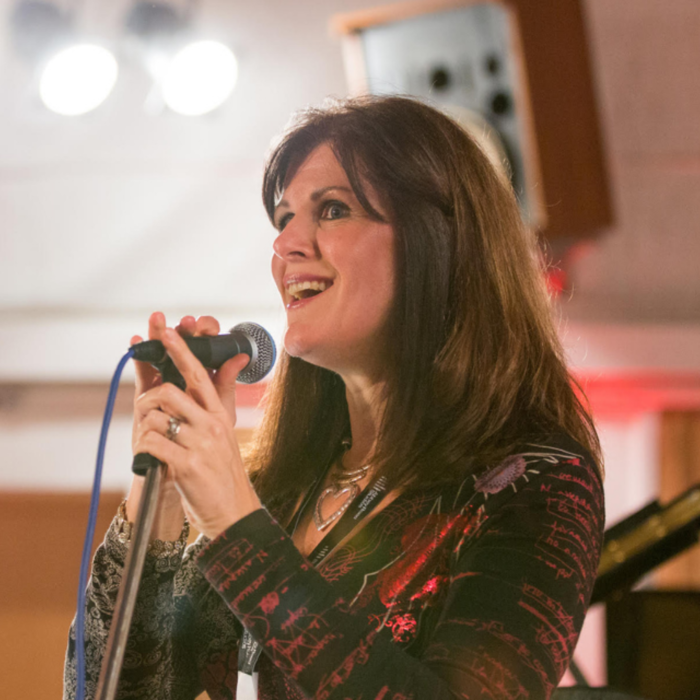
Pop Pedagogy - an Overview

Kim Chandler
Some successful pop stars are celebrating career lengths of over sixty years, having been around since the 1950s when pop music emerged and diversified from jazz, so pop singing has been in existence sufficiently long now that, for teaching purposes, we can observe and analyse what type of approach serves it best.