Alexander Technique Overview: Foundational Principles, Current Research, and Significance in Voice Training
Wednesday 7th May 2025, 2:00 PM - 4:00 PM (London Time)
The Alexander Technique is a re-educative process embracing the connection between mind and body. For over a hundred years, the principles advocated by F.M. Alexander have been taught to alter injurious habits, reduce chronic tension, identify more efficient movement patterns, improve vocal timbre, and minimize performance anxiety. This introductory course will identify and discuss core principles of the Alexander Technique, its potential benefits to voice users, as well as practical applications beyond better posture.
There is evidence in voice pedagogy literature to suggest that many singing and acting teachers believe that lessons in the Alexander Technique benefit the voice. Postural improvement is the most commonly cited reason for studying the Technique, however, many Alexander teachers contend that this view represents a limited understanding of the Technique.
This overview will be presented in lecture format, with interspersed workshop elements, to encourage exploration of the how over the what. At the conclusion of the course, participants will have a preliminary understanding of the Technique’s precepts, and how the Technique may benefit those who wish to improve their singing or speaking. Existing Alexander Technique/voice research will also be discussed.
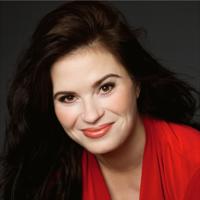
Michele Capalbo
Michele Capalbo is a performer, adjudicator, lecturer, teacher and researcher. A Canadian singer with over two decades of international performance experience in opera and concert, her specialty is the music of Verdi and Puccini.
Attend this course for as little as £22 as part of the Voice Professional Training CPD Award Scheme.
Learn MoreSorry, this is an archived short course...
We have plenty of upcoming short courses coming soon. See details of some of them below or look at the full list of short courses.

Tuesday 27th October 2026
5:00 PM - 7:00 PM
(London Time)
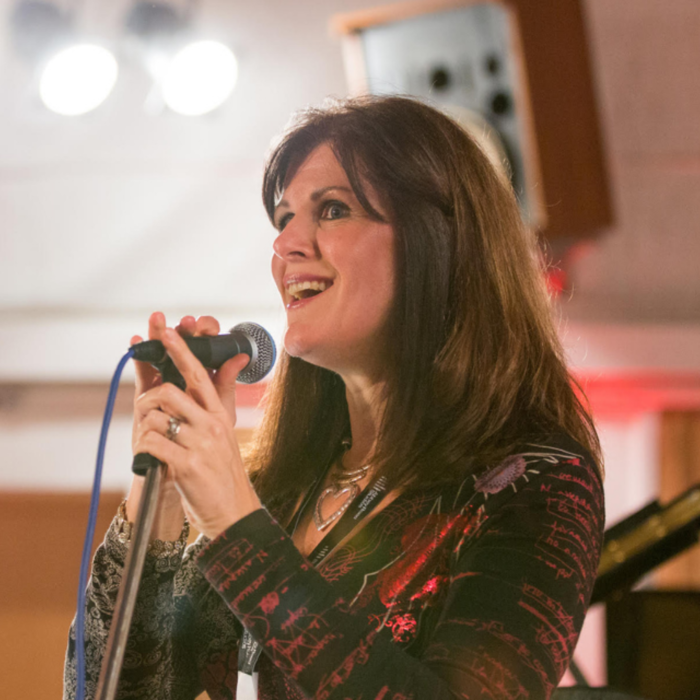
Pop Pedagogy - an Overview

Kim Chandler
Some successful pop stars are celebrating career lengths of over sixty years, having been around since the 1950s when pop music emerged and diversified from jazz, so pop singing has been in existence sufficiently long now that, for teaching purposes, we can observe and analyse what type of approach serves it best.
Friday 30th October 2026
3:00 PM - 5:00 PM
(London Time)
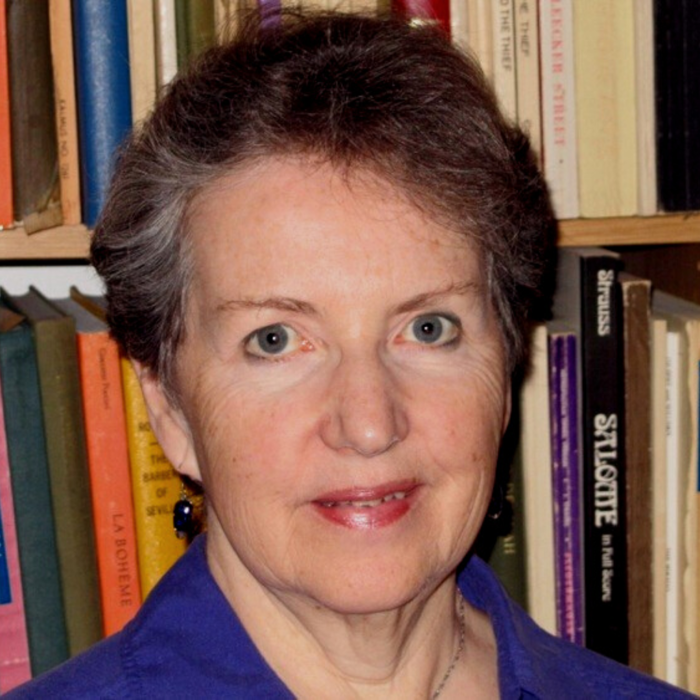
Feldenkrais Method® - its application in speech and song!

Marina Gilman
The Feldenkrais Method® is a form of somatic education that uses gentle movement and directed attention to improve physical and mental functioning, including singing and speaking. Since we are not always aware of the source of tension or discoordination, it is difficult to make the necessary adjustments to ensure optimal use of the voice!

Monday 2nd November 2026
5:00 PM - 7:00 PM
Tuesday 3rd November 2026
5:00 PM - 7:00 PM
(London Time)
The Vocal Health Challenges for Actors and Singers!

Leda Scearce
Two part course! Vocal health principles are inextricably and symbiotically linked with singing and acting voice pedagogy: Good vocal health allows the singer and actor to more easily and effectively achieve their technical and artistic goals, and good teaching reinforces vocal technique that diminishes the risk of vocal injury. We now also recognize the necessity for singers and actors to understand how their instruments work, how to take care of their voices, and what to do when something goes wrong. Singing and acting teachers are indeed on the front lines of vocal health!