Becoming Grounded - Awareness & Movement in the Voice Studio
Thursday 18th January 2024, 5:00 PM - 7:00 PM (London Time)
Being grounded is a dynamic relationship between the floor and performing artist. A good relationship supports artistic expression and the development of reliable technique. This workshop will guide you to understand the physical connections that contribute to being grounded and introduce you to methods to teach, practice, perform and live while being grounded.
The workshop will feature balance concepts from the Body Mapping course ‘What Every Musician Needs to Know About the Body’, which will provide a map for our movement. Body Mapping grew out of the Alexander Technique and is the conscious updating of body maps that guide all movement.
With a clear understanding of the key places of balance, we will integrate movement patterns. The patterns begin with weight shifting in the feet which can resonate up through the body. These memorable patterns guide the body to remain grounded as we move in a balanced way. The patterns have been adapted from Core Movement Integration and Drew Ricciardi’s themonkeybodyTM method.
Integrating awareness of the body and movement into practice will enhance the learning process by providing access to subtle nuanced movements that create exquisite musical expression. Additionally, with practice these movement patterns will become a basis for performing choreography in the practice room, onstage in recital, ensembles or productions, or when leading a group. Participants will have tools and strategies for integration into performing and teaching.
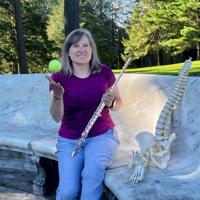
Vanessa Mulvey
Vanessa Mulvey balances work as a flutist, Body Mapping educator, personal trainer and parkour coach. She is a faculty member at the Longy School of Music of Bard College and New England Conservatory of Music.
Attend this course for as little as £22 as part of the Voice Professional Training CPD Award Scheme.
Learn MoreSorry, this is an archived short course...
We have plenty of upcoming short courses coming soon. See details of some of them below or look at the full list of short courses.

Monday 19th October 2026
2:00 PM - 4:00 PM
Tuesday 20th October 2026
2:00 PM - 4:00 PM
(London Time)
Introduction to Vocal Acoustics for Spoken and Sung Voice

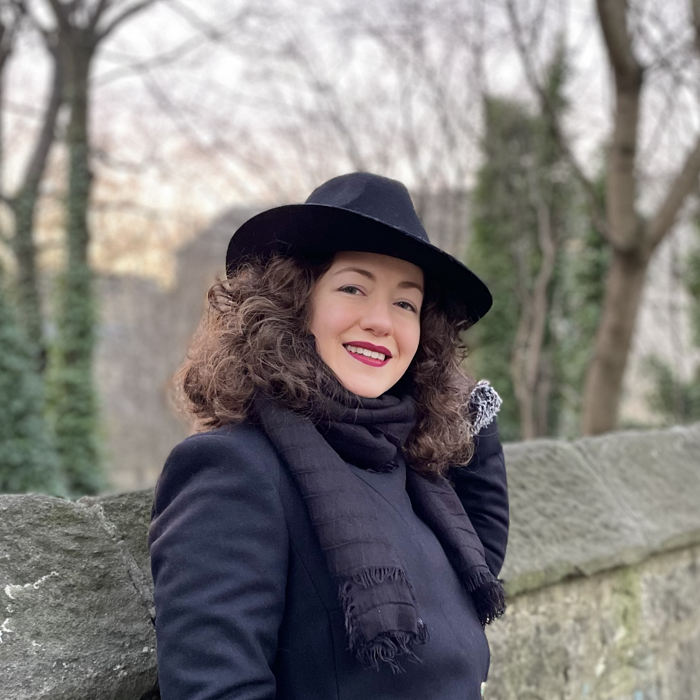
Gökçe Kutsal
This course is designed to break down the fundamentals of acoustics for both spoken and sung voice in a beginner-friendly, accessible way — so you can easily understand and apply these concepts to your teaching or research.
Tuesday 20th October 2026
5:00 PM - 7:00 PM
(London Time)
Practical Magic*: The Art & Science of Balancing Voices with SOVTs and VFEs

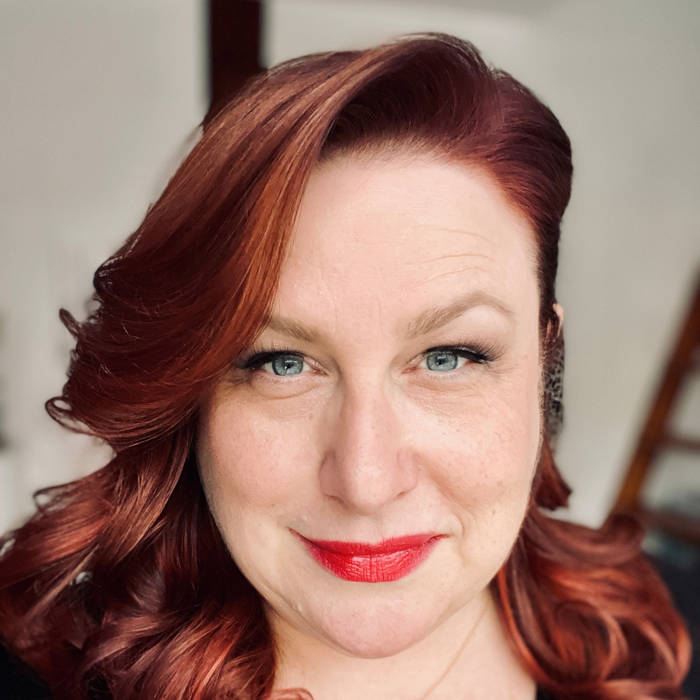
Melanie Tapson
Through live demonstrations, group practice, and peer coaching, you’ll learn how to teach SOVTs and VFEs with clarity and precision, integrate their principles to support vocal health, recovery, and stylistic flexibility and troubleshoot challenges and adapt exercises for individualized results.
Tuesday 27th October 2026
5:00 PM - 7:00 PM
(London Time)
Pop Pedagogy - an Overview

Kim Chandler
Some successful pop stars are celebrating career lengths of over sixty years, having been around since the 1950s when pop music emerged and diversified from jazz, so pop singing has been in existence sufficiently long now that, for teaching purposes, we can observe and analyse what type of approach serves it best.