Beyond the Major Scale: Engaging The Ear And Voice In Vocal Exercises
Tuesday 13th October 2020, 5:00 PM - 7:00 PM (London Time)
About this two hour Webinar:
Vocal exercises are used by singers and singing teachers alike to help develop, refine and establish various aspects of vocal technique. But vocal exercises can also be harnessed to develop a singer’s musicianship alongside technique. Just as a train track has two rails to stay balanced, it is proposed by the presenter that a “two-track” approach to a singer’s development would be an equal emphasis on technique and musicianship throughout training, as opposed to the more “monorail” emphasis on technique alone. As the eminent classical pedagogue, Richard Miller, sagely said: “Be first a musician and second a singer”. But how can this be readily achieved within a lesson context?
Currently, there is an over-emphasis and over-reliance on major scale-based patterns in vocal exercises at the expense of the appetising array of other musical patterns found in vocal music. From listening to and analysing a range of pop song excerpts, this interactive workshop will introduce vocal melodies based on other scales and modes, some of which are more commonly used than the major scale. The presenter will then show how relevant, engaging vocal exercises can be created from these patterns. They are not only still technically demanding but also provide musical variety and ear challenge to vocal exercise repertoire. This concept can be applied to any style of singing and doubles the educational value of exercises.
All sessions are recorded and will be sent out to all registered participants.
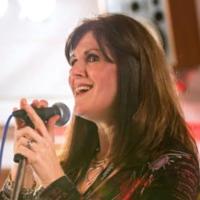
Kim Chandler
Kim Chandler (MMus BMusEd) is a renowned contemporary vocal coach & session singer. She runs a busy private studio in Marbella, Spain, where she coaches an elite clientele of stadium band singers, including BRIT award winners & GRAMMY nominees, artists from a range of genres, professional singers and vocal coaches online.
Sorry, this is an archived short course...
We have plenty of upcoming short courses coming soon. See details of some of them below or look at the full list of short courses.

Tuesday 27th October 2026
5:00 PM - 7:00 PM
(London Time)
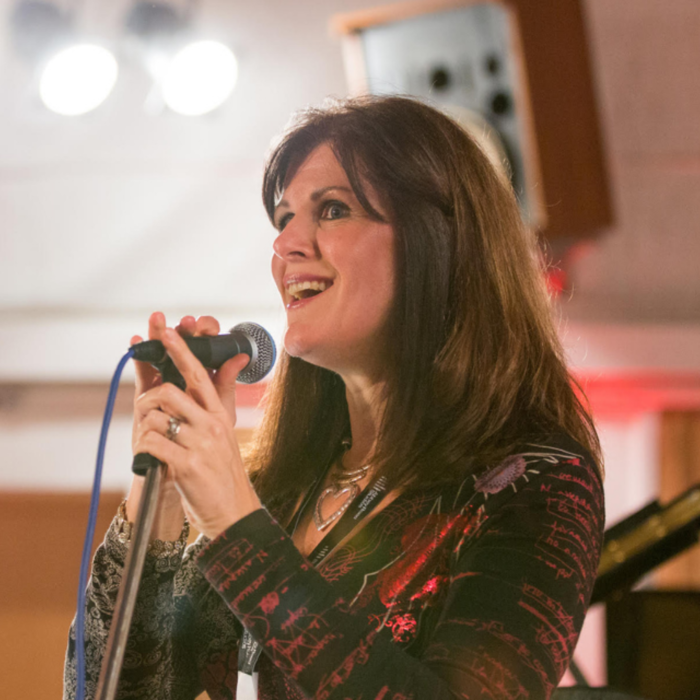
Pop Pedagogy - an Overview

Kim Chandler
Some successful pop stars are celebrating career lengths of over sixty years, having been around since the 1950s when pop music emerged and diversified from jazz, so pop singing has been in existence sufficiently long now that, for teaching purposes, we can observe and analyse what type of approach serves it best.
Friday 30th October 2026
3:00 PM - 5:00 PM
(London Time)
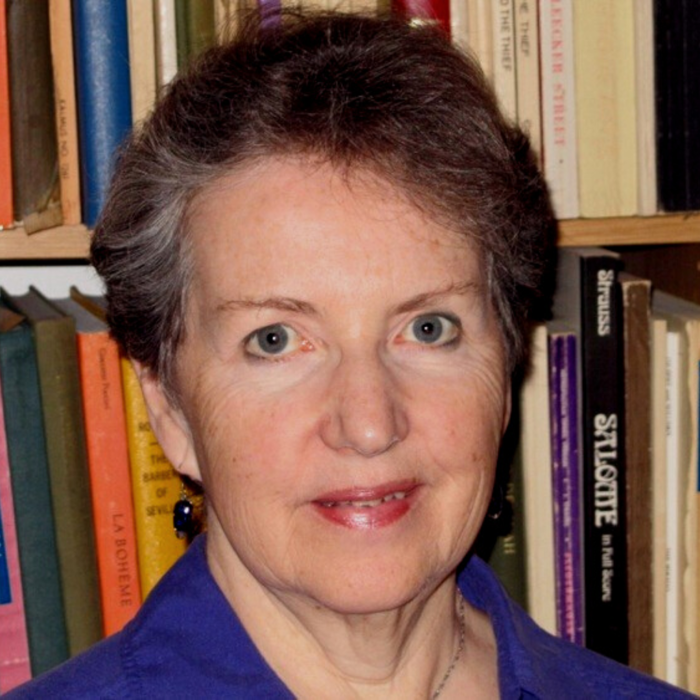
Feldenkrais Method® - its application in speech and song!

Marina Gilman
The Feldenkrais Method® is a form of somatic education that uses gentle movement and directed attention to improve physical and mental functioning, including singing and speaking. Since we are not always aware of the source of tension or discoordination, it is difficult to make the necessary adjustments to ensure optimal use of the voice!

Monday 2nd November 2026
5:00 PM - 7:00 PM
Tuesday 3rd November 2026
5:00 PM - 7:00 PM
(London Time)
The Vocal Health Challenges for Actors and Singers!

Leda Scearce
Two part course! Vocal health principles are inextricably and symbiotically linked with singing and acting voice pedagogy: Good vocal health allows the singer and actor to more easily and effectively achieve their technical and artistic goals, and good teaching reinforces vocal technique that diminishes the risk of vocal injury. We now also recognize the necessity for singers and actors to understand how their instruments work, how to take care of their voices, and what to do when something goes wrong. Singing and acting teachers are indeed on the front lines of vocal health!