Beyond the Notes: How Opera Singers Express Emotion Through Voice and Face
Tuesday 11th March 2025, 5:00 PM - 7:00 PM (London Time)
Opera singers are unique performers who must balance vocal mastery, emotional depth, and theatrical expression. Unlike actors, who can rely solely on dialogue, opera singers must convey emotions through their voices while adhering to the demands of music, technique, and expressiveness. This intricate interplay between facial expressions and vocal parameters is central to the emotional authenticity of operatic performances.
This course, " Beyond the Notes: How Opera Singers Express Emotion Through Voice and Face", dives deep into the multimodal communication of emotions in opera, focusing on how facial movements align with vocal acoustics to convey anger, joy, fear, and sadness. Drawing on research and practical insights, participants will explore the facial action units (AUs) most relevant to emotional expression in singing, such as eyebrow movement (AU1, AU4) and jaw displacement (AU26), as well as the corresponding vocal features like vibrato rate, pitch modulation, loudness, and spectral characteristics.
A key highlight of this course is demonstrating a new motion-capture method developed specifically to analyse singers' facial expressions during performance. This innovative system, which combines lightweight motion-capture helmets and video analysis tools, allows for the accurate tracking of facial markers even in non-laboratory settings. Participants will gain hands-on exposure to how these tools can quantify subtle changes in facial dynamics during emotional singing, offering valuable insights into performance practice.
We will discuss practical applications of this research, such as how performers can refine their emotional portrayals while maintaining technical precision. For example, anger may involve pronounced jaw lowering and vocal fold adduction, leading to greater vocal intensity, while sadness may exhibit softer dynamics and subtle facial movements. By understanding these correlations, singers, vocal coaches, and directors can optimize emotional expressivity.
The course will be structured into two main segments:
- Theoretical Foundation: An overview of the emotional communication framework in opera, integrating studies on facial expressions and vocal acoustics.
- Practical Demonstration: A step-by-step presentation of the motion-capture method and examples of emotional singing analysed through facial markers and acoustic data.
By the end of this course, participants will leave with a deeper understanding of the dynamic connection between facial expressions and vocal emotion in opera. This knowledge will provide individuals with tools and insights to enhance their performances, enabling them to strive for a balance between vocal mastery, emotional depth, and expression, tailored to their unique strengths and styles.
🏷️ Price £30 (UK VAT inclusive)
🎥 Recording automatically sent to all who book (even if you cannot attend live)
▶️ Rewatch as many times as you like
📜 Certificate of attendance available
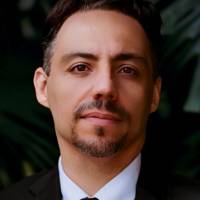
Tiago Lima Bicalho Cruz
Tiago has dedicated his career to helping singers from various musical genres refine their technical skills and enhance their expressive potential, always focusing on individual development.
Attend this course for as little as £22 as part of the Voice Professional Training CPD Award Scheme.
Learn MoreSorry, this is an archived short course...
We have plenty of upcoming short courses coming soon. See details of some of them below or look at the full list of short courses.

Tuesday 27th October 2026
5:00 PM - 7:00 PM
(London Time)
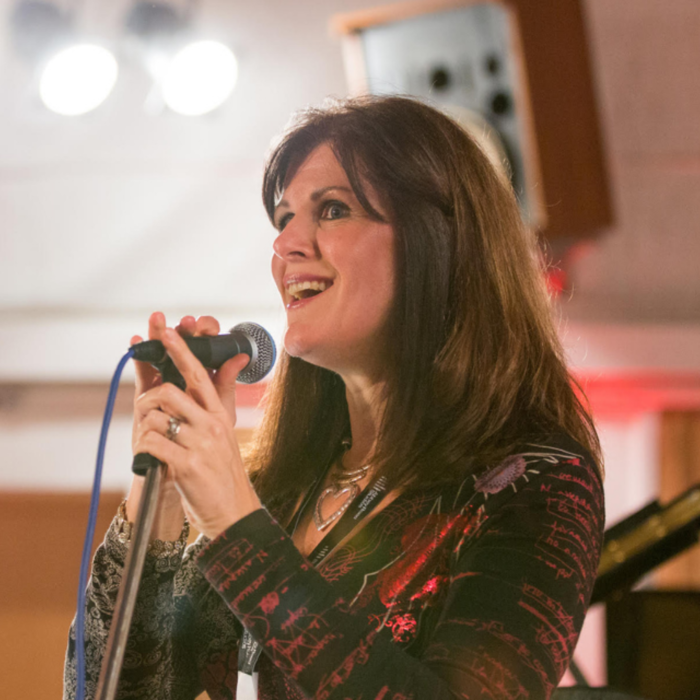
Pop Pedagogy - an Overview

Kim Chandler
Some successful pop stars are celebrating career lengths of over sixty years, having been around since the 1950s when pop music emerged and diversified from jazz, so pop singing has been in existence sufficiently long now that, for teaching purposes, we can observe and analyse what type of approach serves it best.
Friday 30th October 2026
3:00 PM - 5:00 PM
(London Time)
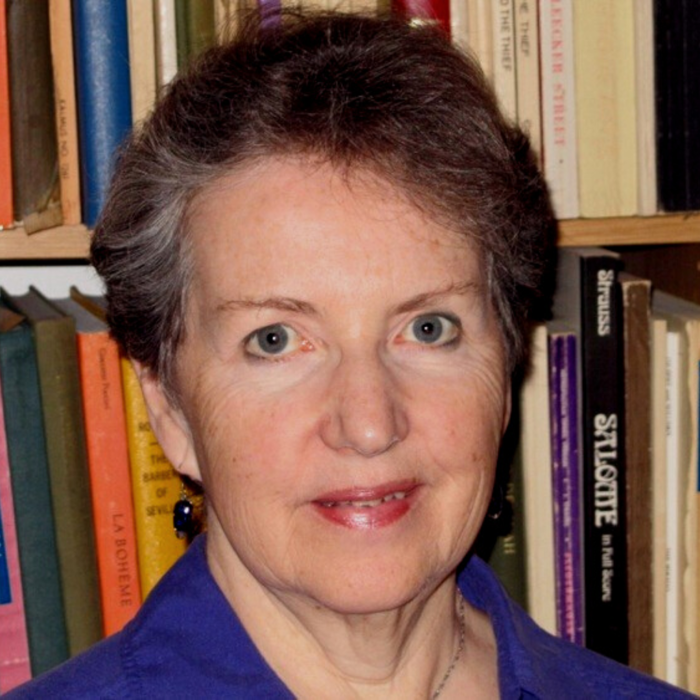
Feldenkrais Method® - its application in speech and song!

Marina Gilman
The Feldenkrais Method® is a form of somatic education that uses gentle movement and directed attention to improve physical and mental functioning, including singing and speaking. Since we are not always aware of the source of tension or discoordination, it is difficult to make the necessary adjustments to ensure optimal use of the voice!

Monday 2nd November 2026
5:00 PM - 7:00 PM
Tuesday 3rd November 2026
5:00 PM - 7:00 PM
(London Time)
The Vocal Health Challenges for Actors and Singers!

Leda Scearce
Two part course! Vocal health principles are inextricably and symbiotically linked with singing and acting voice pedagogy: Good vocal health allows the singer and actor to more easily and effectively achieve their technical and artistic goals, and good teaching reinforces vocal technique that diminishes the risk of vocal injury. We now also recognize the necessity for singers and actors to understand how their instruments work, how to take care of their voices, and what to do when something goes wrong. Singing and acting teachers are indeed on the front lines of vocal health!