Voice Evaluation: How it Shapes Action in Voice Work
Tuesday 12th August 2025, 4:00 PM - 6:00 PM (London Time)
Whether we work in singing or spoken voice teaching, or voice therapy, exploring what a new client/student is feeling about their voice, and the detective work to find out what is ‘going on’ in that voice is a crucial part of a first meeting. The particular kind of focussed listening in perceptual vocal analysis can help us to identify what is going in a voice, and ideally, to provide guidance as to what we might then do. When we explain to the client some of what is contributing to their voice qualities and sensations, we offer a conscious understanding that can give a speaker a new sense of control, so we can then discuss the action that can be taken to change things.
This course will outline some ways that we can both explore and evaluate how a person feels about their voice, including the use of numerical self-rating, and both informal and formal assessments. The latter will include reference the Voice Handicap Index and the Singing Voice Handicap Index. We will then investigate the use of perceptual analysis schemes to describe the key features that we can hear, see and feel. This will include reference to the GRBAS (Hirano 1981), but the focus will be on the eight parameters of the Voice Skills Framework (Shewell 2009/2025) in the context of the definition of the ‘free voice’. Participants will have the opportunity to use the Voice Skills Framework in a practical exercise to evaluate a particular voice, and to discuss how their findings can guide a choice of the suggestions and exercises they might give to the client.
🏷️ Price £30 (UK VAT inclusive)
🎥 Recording automatically sent to all who book (even if you cannot attend live)
▶️ Rewatch as many times as you like
📜 Certificate of attendance available
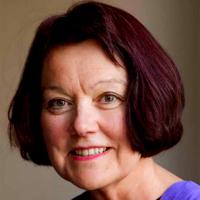
Christina Shewell
Christina Shewell, MA, FRCSLT ADVS is spoken voice teacher, and speech/ language therapist with long experience in voice work with a wide range of clients, in both voice therapy and voice development.
Attend this course for as little as £22 as part of the Voice Professional Training CPD Award Scheme.
Learn MoreSorry, this is an archived short course...
We have plenty of upcoming short courses coming soon. See details of some of them below or look at the full list of short courses.

Tuesday 27th October 2026
5:00 PM - 7:00 PM
(London Time)
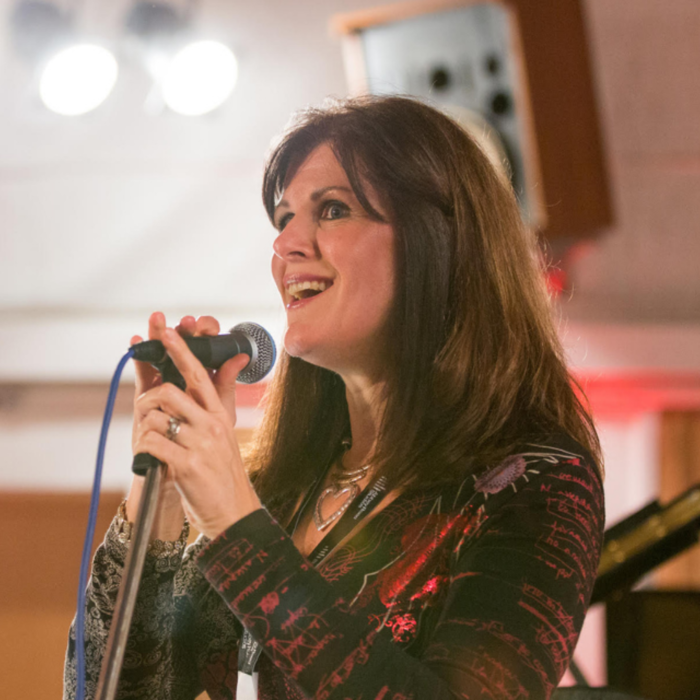
Pop Pedagogy - an Overview

Kim Chandler
Some successful pop stars are celebrating career lengths of over sixty years, having been around since the 1950s when pop music emerged and diversified from jazz, so pop singing has been in existence sufficiently long now that, for teaching purposes, we can observe and analyse what type of approach serves it best.
Friday 30th October 2026
3:00 PM - 5:00 PM
(London Time)
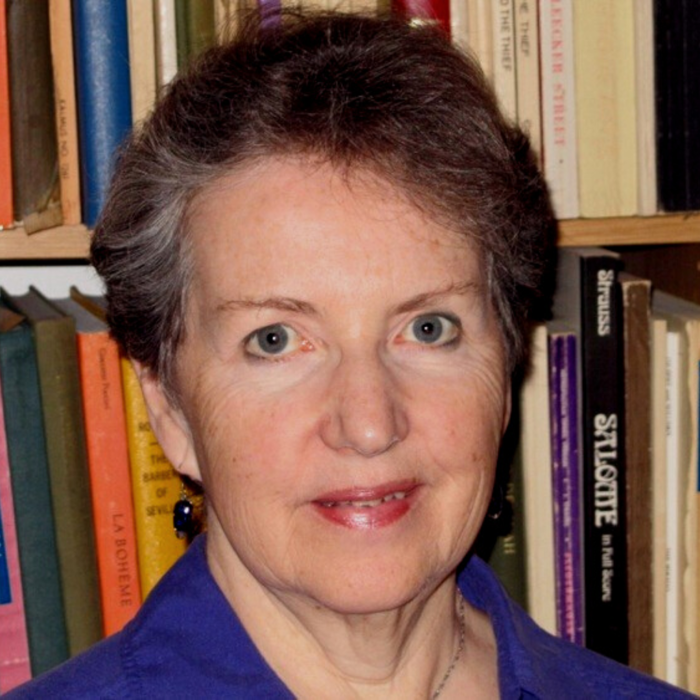
Feldenkrais Method® - its application in speech and song!

Marina Gilman
The Feldenkrais Method® is a form of somatic education that uses gentle movement and directed attention to improve physical and mental functioning, including singing and speaking. Since we are not always aware of the source of tension or discoordination, it is difficult to make the necessary adjustments to ensure optimal use of the voice!

Monday 2nd November 2026
5:00 PM - 7:00 PM
Tuesday 3rd November 2026
5:00 PM - 7:00 PM
(London Time)
The Vocal Health Challenges for Actors and Singers!

Leda Scearce
Two part course! Vocal health principles are inextricably and symbiotically linked with singing and acting voice pedagogy: Good vocal health allows the singer and actor to more easily and effectively achieve their technical and artistic goals, and good teaching reinforces vocal technique that diminishes the risk of vocal injury. We now also recognize the necessity for singers and actors to understand how their instruments work, how to take care of their voices, and what to do when something goes wrong. Singing and acting teachers are indeed on the front lines of vocal health!