Elevating Your Authentic Voice: Practical Audio & Video Setup for Voice Professionals!
Thursday 7th August 2025, 2:00 PM - 3:30 PM (London Time)
This practical session is designed for voice professionals such as singers, coaches, voiceover artists, educators, and content creators who want to capture and share their voice with greater clarity, confidence, and creative control.
Whether you are creating teaching content, audition materials, performance videos, or building your online presence, this session will guide you through accessible techniques to improve the quality of your audio and video using tools you likely already own.
You will explore the link between technical setup and professional identity, learn how to create a more polished but authentic sound and image, and consider approaches to make your workflow more efficient and sustainable.
Through a mix of guidance, demonstration, and optional discussion, you will gain clarity on where to focus your efforts, whether that is lighting, mic technique, video framing, or tools to help reduce editing overwhelm.
This session is ideal for those looking to elevate their output in a manageable and human way, while preserving the essence of the voice that defines their work.

Joshua Lee-Cummins
Joshua Lee-Cummins is a Lecturer and Online Learning and Technology Lead at the Voice Study Centre. He has acted as Chair of the Research Ethics Committee and specialises in digital learning, qualitative research, academic writing, and research ethics governance, contributing to postgraduate supervision and research capacity building.
Attend this course for as little as £22 as part of the Voice Professional Training CPD Award Scheme.
Learn MoreSorry, this is an archived short course...
We have plenty of upcoming short courses coming soon. See details of some of them below or look at the full list of short courses.


Tuesday 24th November 2026
5:00 PM - 7:00 PM
(London Time)
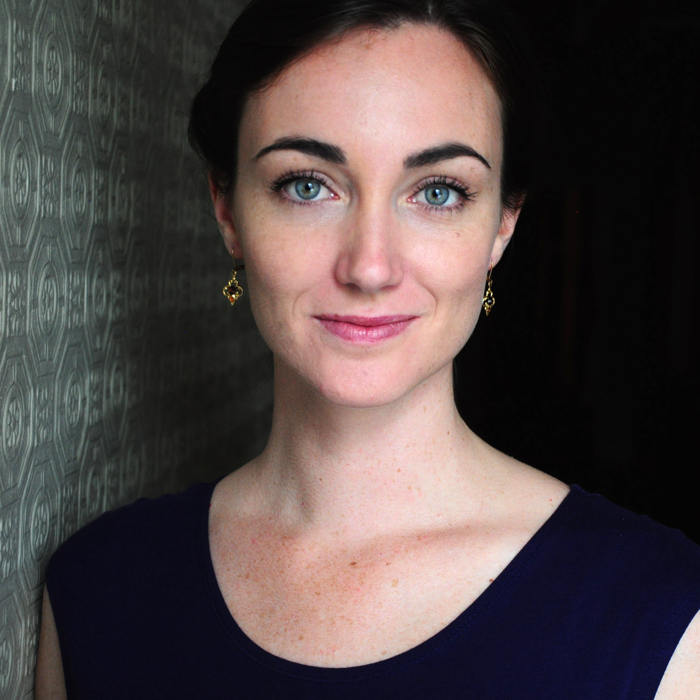
The Lemma Dilemma: Teaching Voice and Speech through a Linguistic Lens!

Ashleigh Reade
For voice and speech teachers, the importance of “the thought” is almost a given. Text comes to life when it is fueled by an external stimulus; we breathe in response to an image, a concept, a need we wish to express, then transmit that to our listener on the voice. In psycholinguistic models of speech processing and production, the lemma is the mental representation of a concept that contains both semantic and syntactic meaning, linking an idea to the sounds needed to express the idea. Join Ashleigh Reade as explores how to bridge the gap between actor and text, examining how psycholinguistics can support our voice and speech teaching.
Monday 30th November 2026
6:00 PM - 8:00 PM
(London Time)
Bringing Colour Theory into IPA Vowels!

Siobhan Doherty Buffett
Step into a multi-sensory approach to phonetics with Siobhan Doherty Buffett, certified teacher of Knight-Thompson Speechwork™. In this engaging session, Siobhan introduces a new Colour Theory Map of the International Phonetic Alphabet (IPA) Vowel Chart - a visual tool designed to demystify complex phonetic concepts, deepen anatomical awareness, and transform how we teach and practice narrow transcription. Whether you are a voice teacher, speech-language pathologist, linguist, or performer, this interactive exploration offers a fresh, intuitive lens to help both you and your students visualize the subtle mechanics of vowel production!
Thursday 3rd December 2026
5:00 PM - 7:00 PM
(London Time)
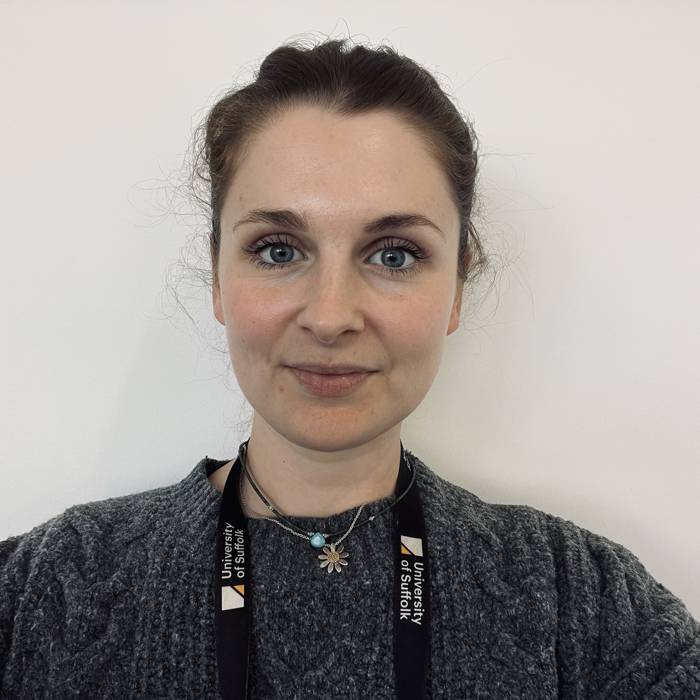
Singing and Parkinson’s Disease: Overview of the Evidence to Date

Dr Abigail Webb
Parkinson’s Disease is a progressive neurological disorder affecting around 166,000 people in the UK. It is characterised by a significant reduction in dopamine production that in turn causes impairments across several motor and non-motor functioning. A 2025 review indicated that singing may benefit certain aspects of speech production in those affected, and in the last decade, a collection of research studies has explored the role of singing specifically in symptom management of Parkinson’s. Join Dr Abigail Webb, as she brings together evidence to date of the impact of singing for people living with Parkinson’s.