If You Can Talk, You Can Sing
Tuesday 28th May 2024, 5:00 PM - 7:00 PM (London Time)
Frankie believes passionately that singing is our birthright. For thousands of years, our ancestors sang as naturally as they spoke. They sang to accompany everyday activities – at work, at play, at devotion and dance – and for their own pleasure. No one was excluded, so everyone’s skill and confidence developed naturally.
Some cultures do not even have a word for ‘singer’ as everyone sings, just as we do not have a word for ‘breather’! It’s only in the past couple of centuries that the notion that there are people who can’t or shouldn’t sing has come about, largely in white Western European culture. This elitist idea has impacted on millions of people, who have been told they are non-singers, have unacceptable voices or are ‘tone-deaf’. They have therefore never had the chance to experience the stepping stones that have traditionally encouraged people to sing - in the same way as they learned to talk. Hence they have been robbed of one of the essential forms of human expression.
To quote the Institute of Education, we now know 'music is hard-wired into us', and that it is criticism and judgment as a child that has robbed many people of their innate musicality. As voice practitioners and singing teachers, how can we help to unlock this innate capacity for those people?
Since 1975, Frankie has developed a teaching approach that provides stepping stones, with permission and encouragement, for people to explore confidence in their voices and self-belief in their musicality. She has used this in contexts including community groups, hospitals, theatre companies and schools, as well as at the National Theatre Studio, London, for over 20 years, and she has presented at international voice conferences in Europe, North America and Australia.
She uses the body and imagination to invite people to be curious and adventurous in exploring their voices in a non-judgemental atmosphere, without the need to "get it right”. The aim is to tap into the joy, strength and energy of singing with others, and to find a range of colour and expression in each of our voices.
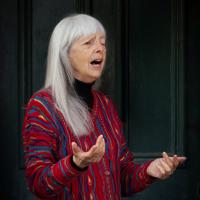
Frankie Armstrong
Frankie Armstrong has has been singing professionally since 1964. In 1975, she began her pioneering voice workshops based on ethnic styles of singing, where singing is as natural as speaking.
Attend this course for as little as £22 as part of the Voice Professional Training CPD Award Scheme.
Learn MoreSorry, this is an archived short course...
We have plenty of upcoming short courses coming soon. See details of some of them below or look at the full list of short courses.

Tuesday 27th October 2026
5:00 PM - 7:00 PM
(London Time)
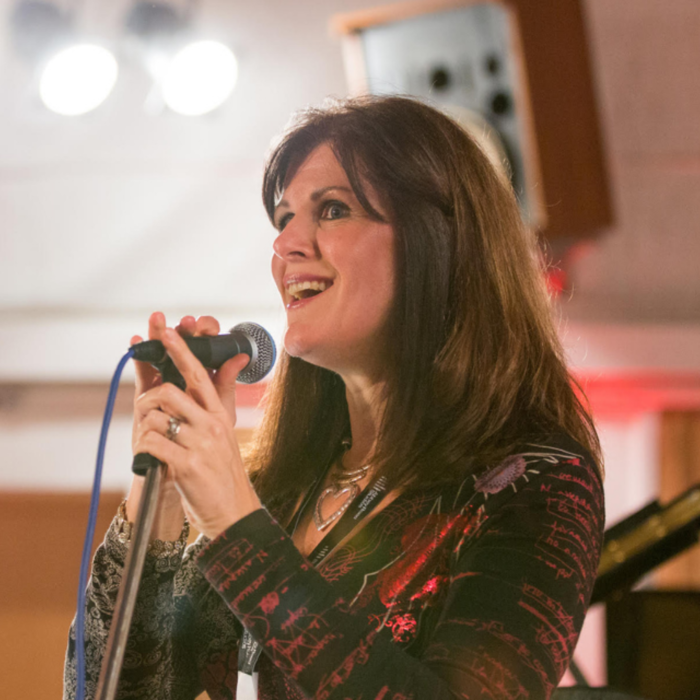
Pop Pedagogy - an Overview

Kim Chandler
Some successful pop stars are celebrating career lengths of over sixty years, having been around since the 1950s when pop music emerged and diversified from jazz, so pop singing has been in existence sufficiently long now that, for teaching purposes, we can observe and analyse what type of approach serves it best.
Friday 30th October 2026
3:00 PM - 5:00 PM
(London Time)
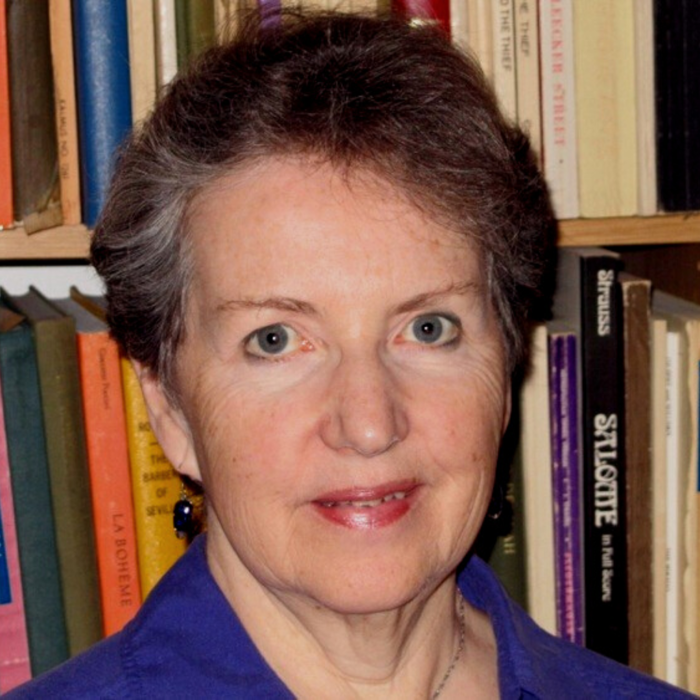
Feldenkrais Method® - its application in speech and song!

Marina Gilman
The Feldenkrais Method® is a form of somatic education that uses gentle movement and directed attention to improve physical and mental functioning, including singing and speaking. Since we are not always aware of the source of tension or discoordination, it is difficult to make the necessary adjustments to ensure optimal use of the voice!

Monday 2nd November 2026
5:00 PM - 7:00 PM
Tuesday 3rd November 2026
5:00 PM - 7:00 PM
(London Time)
The Vocal Health Challenges for Actors and Singers!

Leda Scearce
Two part course! Vocal health principles are inextricably and symbiotically linked with singing and acting voice pedagogy: Good vocal health allows the singer and actor to more easily and effectively achieve their technical and artistic goals, and good teaching reinforces vocal technique that diminishes the risk of vocal injury. We now also recognize the necessity for singers and actors to understand how their instruments work, how to take care of their voices, and what to do when something goes wrong. Singing and acting teachers are indeed on the front lines of vocal health!