Inspired Sound: Unlocking the Science of Choral Acoustics
Tuesday 16th December 2025, 2:00 PM - 4:00 PM (London Time)
This session will explore the fascinating science behind choral sound, offering choir singers and directors valuable insights into achieving a cohesive and expressive ensemble, no matter what their standard. The concept of choral blend will be examined —what it is, how it can be cultivated, and the roles of intonation and vibrato will be analysed. The decisions that have to be made around intonation when tuning thirds or dealing with modulations over the course of an a cappella piece will be explained in the context of existing research and different singing styles such as barbershop singing and solo voice ensembles.
The session will consider timbre and loudness and how different vocal qualities influence overall ensemble colour, gaining practical strategies to enhance sound quality. The session will also address the importance of synchronization between singers, how it has been measured in recent research at different levels (from onsets and consonants to heart rate variability) including techniques for aligning vowel shapes, entrances, and dynamic gestures.
Additionally, the influence of room acoustics and spacing will be examined, demonstrating how physical environment and positioning can amplify or diminish choir balance and clarity. This course will deepen your understanding of choir acoustics, empowering participants to refine their individual and collective practice for a more resonant, expressive, and confident ensemble performance!
🏷️ Price £30 (UK VAT inclusive)
🎥 Recording automatically sent to all who book (even if you cannot attend live)
▶️ Rewatch as many times as you like
📜 Certificate of attendance available

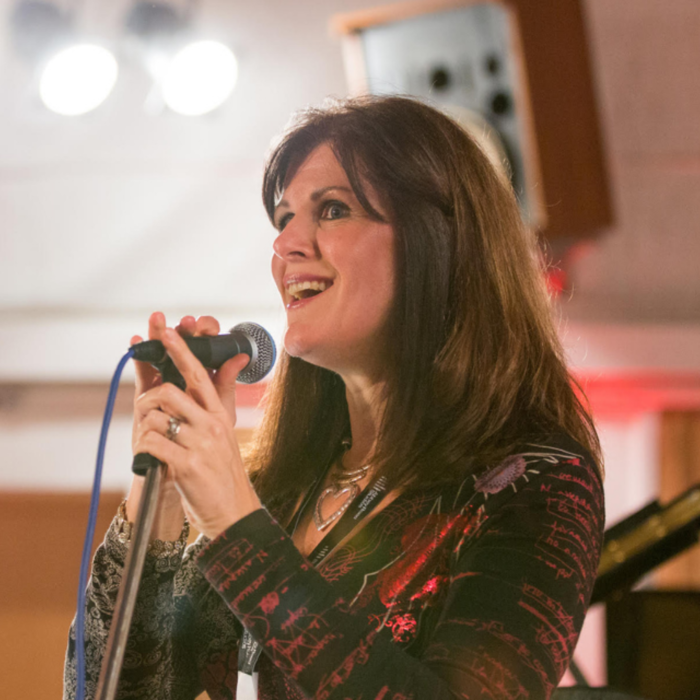
Professor Helena Daffern
Helena is currently a Professor in Music Technology in the School of Physics, Engineering and Technology. She completed her PhD in Music Technology in the School of Physics, Engineering and Technology at the University of York in 2008 and obtained a Masters degree in singing performance from the University of York before training as a postgraduate at Trinity College of Music.
Attend this course for as little as £22 as part of the Voice Professional Training CPD Award Scheme.
Learn MoreSorry, this is an archived short course...
We have plenty of upcoming short courses coming soon. See details of some of them below or look at the full list of short courses.


Monday 19th October 2026
2:00 PM - 4:00 PM
Tuesday 20th October 2026
2:00 PM - 4:00 PM
(London Time)
Introduction to Vocal Acoustics for Spoken and Sung Voice

Gökçe Kutsal
This course is designed to break down the fundamentals of acoustics for both spoken and sung voice in a beginner-friendly, accessible way — so you can easily understand and apply these concepts to your teaching or research.

Tuesday 20th October 2026
5:00 PM - 7:00 PM
(London Time)
Practical Magic*: The Art & Science of Balancing Voices with SOVTs and VFEs

Melanie Tapson
Through live demonstrations, group practice, and peer coaching, you’ll learn how to teach SOVTs and VFEs with clarity and precision, integrate their principles to support vocal health, recovery, and stylistic flexibility and troubleshoot challenges and adapt exercises for individualized results.
Tuesday 27th October 2026
5:00 PM - 7:00 PM
(London Time)
Pop Pedagogy - an Overview

Kim Chandler
Some successful pop stars are celebrating career lengths of over sixty years, having been around since the 1950s when pop music emerged and diversified from jazz, so pop singing has been in existence sufficiently long now that, for teaching purposes, we can observe and analyse what type of approach serves it best.