May the Ease Be with You: Taming Tension and Performance Anxiety with Feldenkrais Awareness Through Movement
Thursday 28th September 2023, 5:00 PM - 7:00 PM (London Time)
A dynamic performance requires a fine balance between excited energy and calm control. Performance anxiety generally manifests itself as tension because we feel over-matched, under-prepared or somehow threatened by the situation. We instinctively try harder and only succeed in increasing the tension in areas that are already too tight. Such a vicious cycle causes the performer to focus on his or her short-comings and only on what is “wrong” rather than the bigger picture of what is “right”.
For the performer, being “in the flow” is a heady sensation, one of such freedom and ease that it is almost as if someone else was singing. All too often, however, this elevation to the “flow state” is elusive, inaccessible, blocked and impeded by barriers which range from the psychological to the physical. One of the biggest culprits is “negative” physical tension.
Tension is necessary to life; without tonus (muscle tension), we cannot stand, sit, or even breathe. Problems arise when tension is excessive, misplaced, or insufficient, causing extra effort and blockage.
Named after its discoverer, Moshe Feldenkrais, the Feldenkrais Method is a self-discovery process using movement. Its aim is to produce an individual organized to perform with minimum effort and maximum efficiency. The movements are simple, gentle, exploratory, and fun; they are usually repeated a number of times to clarify and enhance performance.
The Feldenkrais Method is one approach which can help a performer to focus appropriate attention to physical cues via kinesthetic awareness, thereby offsetting negative attention on feelings of inadequacy. It can alleviate or even eradicate such negative tension, thereby enhancing “ease of flow”. This workshop is designed to lead participants through “modular” Feldenkrais work, thus helping calm the nervous system without loss of performance energy.
Complete Workshop Description:
- A brief review/introduction to the Feldenkrais Method
- “Pre-test”: short group vocal warmup and individual tension identification: Dr. Blades leads the participants through a series of brief, simple vocal exercises designed to a) warm up the voice and, b) give the participants kinesthetic feel and sense of the vocal instrument before a Feldenkrais lesson. Individuals are asked to identify awareness of any areas in which undue negative tension seems to impede vocal freedom. Participants are then guided through selected, short Feldenkrais Awareness Through Movement lessons.
- “Post-test” with Dr. Blades: group vocalization and individual reports of any changes, especially in the “pre-test” areas.
- Individual assessments: Volunteers from the group receive Feldenkrais work specific to “blocked” or impeded areas. The number of individuals included is flexible according to time restrictions.
- Questions/answers
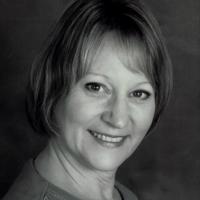
Elizabeth Blades
Elizabeth Blades holds both Doctor of Musical Arts and Masters of Music Degrees from the
Eastman School of Music in Rochester, NY...
Attend this course for as little as £22 as part of the Voice Professional Training CPD Award Scheme.
Learn MoreSorry, this is an archived short course...
We have plenty of upcoming short courses coming soon. See details of some of them below or look at the full list of short courses.

Friday 30th October 2026
3:00 PM - 5:00 PM
(London Time)
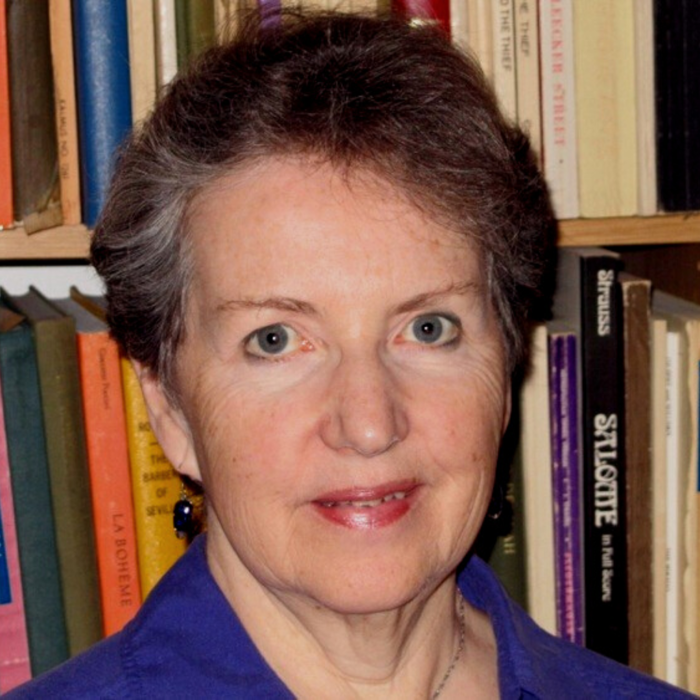
Feldenkrais Method® - its application in speech and song!

Marina Gilman
The Feldenkrais Method® is a form of somatic education that uses gentle movement and directed attention to improve physical and mental functioning, including singing and speaking. Since we are not always aware of the source of tension or discoordination, it is difficult to make the necessary adjustments to ensure optimal use of the voice!

Monday 2nd November 2026
5:00 PM - 7:00 PM
Tuesday 3rd November 2026
5:00 PM - 7:00 PM
(London Time)
The Vocal Health Challenges for Actors and Singers!

Leda Scearce
Two part course! Vocal health principles are inextricably and symbiotically linked with singing and acting voice pedagogy: Good vocal health allows the singer and actor to more easily and effectively achieve their technical and artistic goals, and good teaching reinforces vocal technique that diminishes the risk of vocal injury. We now also recognize the necessity for singers and actors to understand how their instruments work, how to take care of their voices, and what to do when something goes wrong. Singing and acting teachers are indeed on the front lines of vocal health!
Friday 6th November 2026
3:00 PM - 5:00 PM
(London Time)
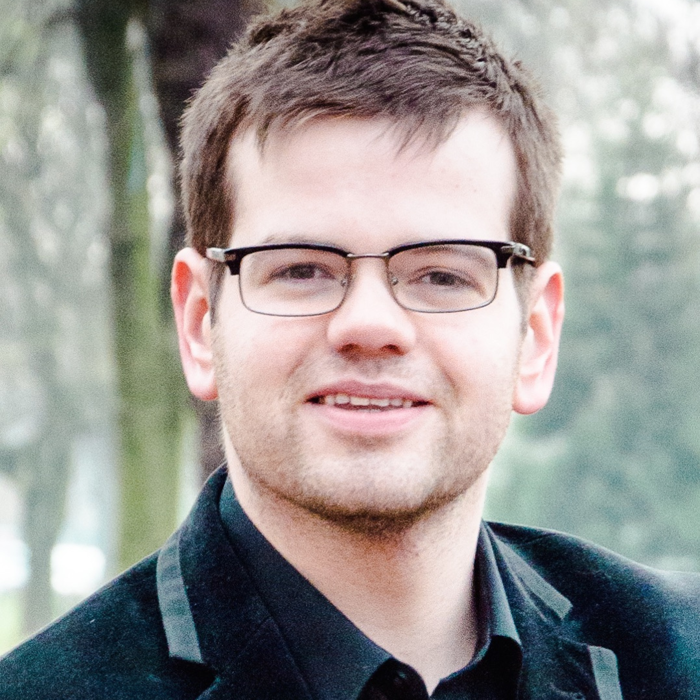
Neurodivergence and Critical Disability Theory

Dr David Cane
Hosted by our very own Dr David Cane, this two-hour session offers a timely and reflective opportunity to explore disability and neurodivergence within the voice teaching studio. Grounded in the field of critical disability studies, it will be of particular interest to voice professionals who wish to foster a more inclusive, reflexive and accessible practice.