Mindfulness Coaching within the Voice Studio
Thursday 22nd January 2026, 3:00 PM - 5:00 PM (London Time)
Emerging research indicates that mindfulness can have far-reaching benefits for singers, including improvements in lessons, performances, focus and attention, body (somatic) awareness, socio-collaborative relationships, performance anxiety, and expressivity and enjoyment during performances. Meanwhile, studies show that young people are experiencing increasingly high levels of mental and emotional distress.
In this short course, we will explore ways that voice teachers can harness the power of mindfulness coaching within the voice studio. We will begin by examining Jon Kabat-Zinn’s nine principles of mindfulness: non-judging, patience, beginner’s mind, trust, non-striving, acceptance, letting go, gratitude, and generosity. We will discuss how these principles can transform voice work, and we will engage in practical exercises designed to cultivate them in ourselves and our students.
Participants will practice leading brief versions of the following mindfulness exercises: the body scan, the three-part breath, the lovingkindness meditation, and expanding awareness. They will come away with practical resources for shifting their own mindset and specific tools for incorporating mindfulness into voice training.
🏷️ Price £30 (UK VAT inclusive)
🎥 Recording automatically sent to all who book (even if you cannot attend live)
▶️ Rewatch as many times as you like
📜 Certificate of attendance available

Catherine Brown
Catherine Kay Brown is an adjunct voice instructor at Immaculata University and a private voice teacher in Downingtown, Pennsylvania (USA). Ms. Brown runs ongoing mindfulness courses for people with voice disorders and is currently collaborating with the University of Miami on several research projects related to voice and mindfulness.
Attend this course for as little as £22 as part of the Voice Professional Training CPD Award Scheme.
Learn MoreSorry, this is an archived short course...
We have plenty of upcoming short courses coming soon. See details of some of them below or look at the full list of short courses.

Wednesday 14th October 2026
3:00 PM - 5:00 PM
(London Time)
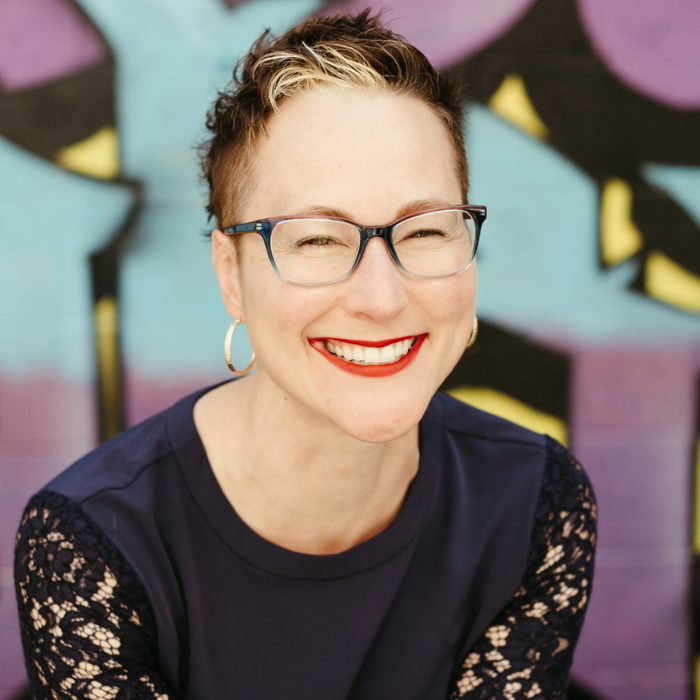
Thinking Outside the Voice Box: Adolescent Female Voice Change

Dr Bridget Sweet-Manternach
Join Dr Bridget Sweet for this 2 hour session as she unpacks this fascinating topic. The purpose of this course is to bring attention to adolescents who experience an estrogen-dominant voice change and to encourage new and holistic ways of thinking about [assigned at birth] female voices. While considering physical changes during adolescence, we will unpack basic vocal anatomy and physiology and then discuss what happens to the vocal mechanism during voice change for females vs. [assigned at birth] males.
Monday 19th October 2026
2:00 PM - 4:00 PM
Tuesday 20th October 2026
2:00 PM - 4:00 PM
(London Time)
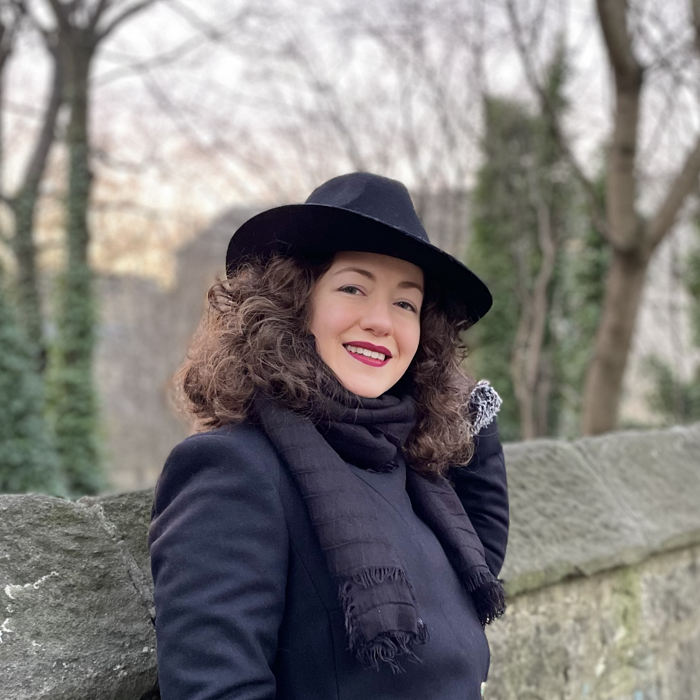
Introduction to Vocal Acoustics for Spoken and Sung Voice

Gökçe Kutsal
This course is designed to break down the fundamentals of acoustics for both spoken and sung voice in a beginner-friendly, accessible way — so you can easily understand and apply these concepts to your teaching or research.

Tuesday 20th October 2026
5:00 PM - 7:00 PM
(London Time)
Practical Magic*: The Art & Science of Balancing Voices with SOVTs and VFEs

Melanie Tapson
Through live demonstrations, group practice, and peer coaching, you’ll learn how to teach SOVTs and VFEs with clarity and precision, integrate their principles to support vocal health, recovery, and stylistic flexibility and troubleshoot challenges and adapt exercises for individualized results.