Prosody in Accents and Dialects!
Wednesday 21st May 2025, 2:00 PM - 4:00 PM (London Time)
Professor of Linguistics at King’s College London, Beatrice Szczepek Reed and voice coach Anne Whitaker will showcase how prosody impacts accents in natural English conversation and will discuss how this can help coaches find specific patterns in certain accents.
Beatrice will explore prosodic patterns across a range of English native and non-native accents. Anne will discuss how these findings can be useful for a coach or actor learning to acquire an accent as well as lead a few exercises that she has developed from her work with Beatrice.
Beatrice Szczepek Reed is Professor of Linguistics at King’s College London, where she is the Co-Director of the Centre for Language, Discourse and Communication. Beatrice studies spoken language, particularly the phonetics and phonology of natural conversation. For example, she has researched how speakers mirror each other prosodically in natural talk; how speakers of different accents of English use speech rhythm in conversation; and how ‘liaison’ exists not only in French but also in English and German. Beatrice has also researched singing lessons, specifically how classical singing teachers communicate the body knowledge of vocal technique. Beatrice has published over 60 articles and book chapters. Her books include the textbook ‘Analysing Conversation: An Introduction to Prosody’ (Bloomsbury 2011) and the forthcoming textbook ‘The Responsive Voice. Lessons for Actors from Real-Life Conversation’ (Routledge), co-written with the actor voice coach Anne Whitaker.
Anne Whitaker is a California transplant now based in London. Her work as a voice coach spans professional coaching and conservatoire training programs including The Royal Central School for Speech and Drama, Mountview, and The Globe. As a voice coach she is always working to improve her practice through interdisciplinary research. Her specialism is in prosody, or the musicality of language. She is currently working with Professor Beatrice Szczepek Reed at King’s College London to devise exercises for actors that help them understand and achieve in performance what linguists have observed about prosody in natural talk and conversation. Anne's other project is about prosody in verse text, which she is working on with PhD Candidate Jennifer Grober, King's College/Shakespeare Centre London. Their collaboration aims to use recent findings in early-modern verse studies to create a more embodied approach to teaching and performing Shakespeare. Recent theatre credits include Matilda (Cambridge Theatre), Shooting Hedda Gabler (Rose Theatre), and Oklahoma! (Wyndhams Theatre). Recent film credits include Back in Action! (Netflix), We Were the Lucky Ones (Hulu), and Wheel of Time (Amazon).
🏷️ Price £30 (UK VAT inclusive)
🎥 Recording automatically sent to all who book (even if you cannot attend live)
▶️ Rewatch as many times as you like
📜 Certificate of attendance available

Beatrice Szczepek Reed
Beatrice Szczepek Reed is Professor of Linguistics at King’s College London, where she is the Co-Director of the Centre for Language, Discourse and Communication. Beatrice studies spoken language, particularly the phonetics and phonology of natural conversation.

Anne Whitaker
Anne Whitaker is a California transplant now based in London. Her work as a voice coach spans professional coaching and conservatoire training programs including The Royal Central School for Speech and Drama, Mountview, and The Globe.
Attend this course for as little as £22 as part of the Voice Professional Training CPD Award Scheme.
Learn MoreSorry, this is an archived short course...
We have plenty of upcoming short courses coming soon. See details of some of them below or look at the full list of short courses.

Tuesday 6th October 2026
5:00 PM - 7:00 PM
(London Time)
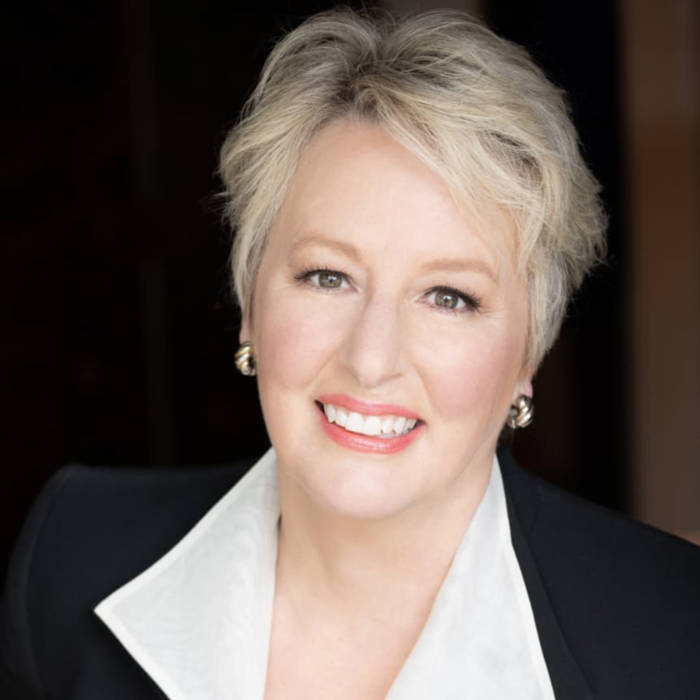
Inspired Not Bound: The Promise of Science-Informed Voice Pedagogy

Lynn Helding
Lynn Helding defines Science-Informed Voice Pedagogy in her upcoming book Practicing Science-Informed Voice Training as, “A type of hybrid singing voice pedagogy that unites science and art by researching current voice science, translating it, combining it with extant historic voice knowledge, and transmitting it to singers.” Join Lynn Helding as she seeks to understand human behaviour of both sides of the “Science versus Art” debate via research from the fields of cognitive science and behavioural science, focussing particularly on lessons learned due to several societal shifts.
Tuesday 13th October 2026
1:00 PM - 2:00 PM
(London Time)
MA Voice Pedagogy: Online Information Session & Q&A

Debbie Winter
Considering our MA Voice Pedagogy? Join our Director for a focused online presentation and discussion to explore the course, ask questions, and discover whether postgraduate study at Voice Study Centre is right for you.
Tuesday 13th October 2026
2:00 PM - 4:30 PM
(London Time)
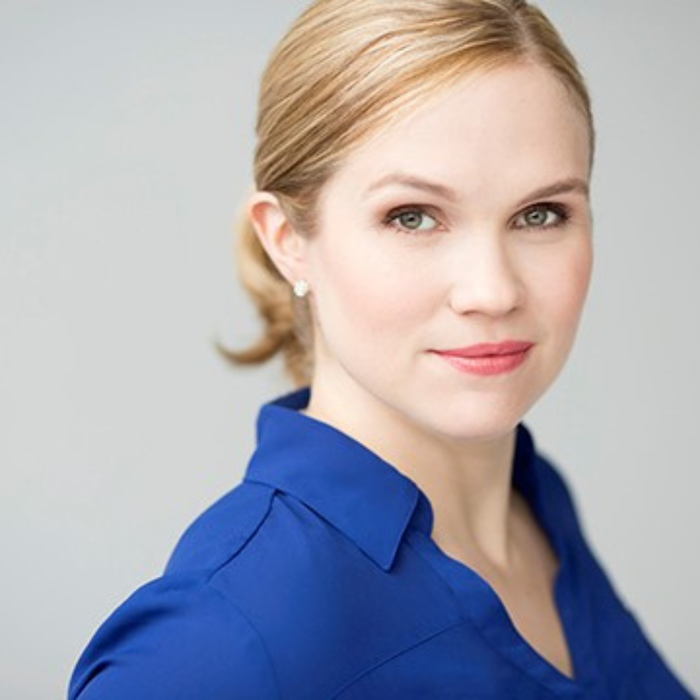
Musical Theatre Singing Pedagogy: A Framework for Teaching Musical Theatre Singers!

Amanda Flynn
Join Amanda Flynn for this extended 2.5 hour session on the the pedagogy of teaching musical theatre singing. She will begin by exploring the flexibility needed for musical theatre singing through definitions, listening exercises, and some historical context.