Prosody in conversation – crucial for effective communication?
Tuesday 12th May 2026, 3:00 PM - 5:00 PM (London Time)
In this course, we will take an introductory look at what prosody is and consider its functions in natural everyday dialogue.
The term ‘prosody’ describes the musical aspects of speech: pitch, loudness, time, and voice quality. Pitch includes intonation (the constantly changing melody of speech, such as when asking a question with rising intonation) and pitch register (the momentary lowering or lifting of pitch overall, such as when using higher pitch to greet a friend). Loudness manifests on single syllables as stress (such as contrast vs. contrast), but speakers also change their overall loudness, for example, when interrupting another speaker. Time includes speech tempo (for example, speaking faster to avoid being interrupted), syllable length (for example, lengthening a word to give it extra emphasis), speech rhythm (for example, speaking very fluently and without delay), and silence (for example, delaying an answer when disagreeing). Voice quality can be, for example, creaky (‘vocal fry’), harsh, breathy, or whispered. Each voice quality has a different function in conversation.
We will examine each of these with video recordings of everyday talk and show how they contribute to small but very meaningful changes to how we communicate.
🏷️ Price £30 (UK VAT inclusive)
🎥 Recording automatically sent to all who book (even if you cannot attend live)
▶️ Rewatch as many times as you like
📜 Certificate of attendance available
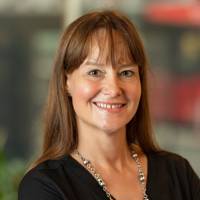
Beatrice Szczepek Reed
Beatrice Szczepek Reed is Professor of Linguistics at King’s College London, where she is the Co-Director of the Centre for Language, Discourse and Communication. Beatrice studies spoken language, particularly the phonetics and phonology of natural conversation.
Attend this course for as little as £22 as part of the Voice Professional Training CPD Award Scheme.
Learn MoreSorry, this is an archived short course...
We have plenty of upcoming short courses coming soon. See details of some of them below or look at the full list of short courses.

Tuesday 27th October 2026
5:00 PM - 7:00 PM
(London Time)
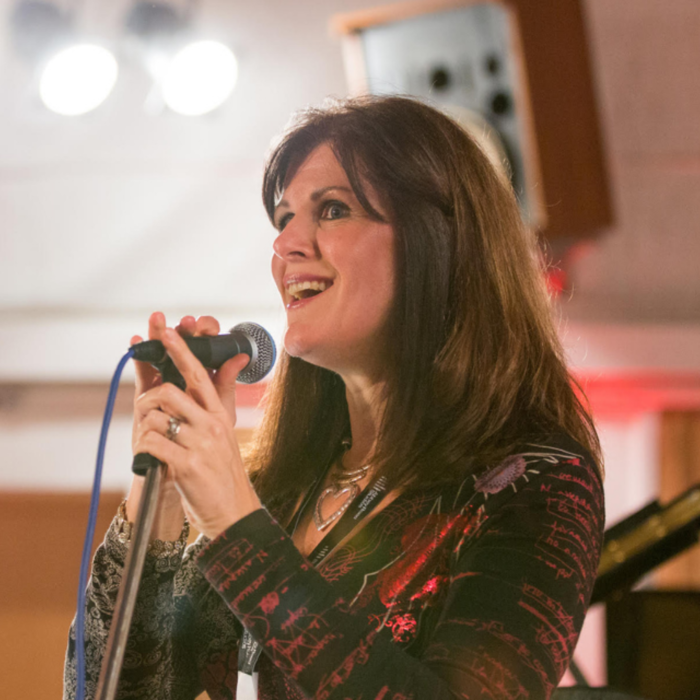
Pop Pedagogy - an Overview

Kim Chandler
Some successful pop stars are celebrating career lengths of over sixty years, having been around since the 1950s when pop music emerged and diversified from jazz, so pop singing has been in existence sufficiently long now that, for teaching purposes, we can observe and analyse what type of approach serves it best.
Friday 30th October 2026
3:00 PM - 5:00 PM
(London Time)
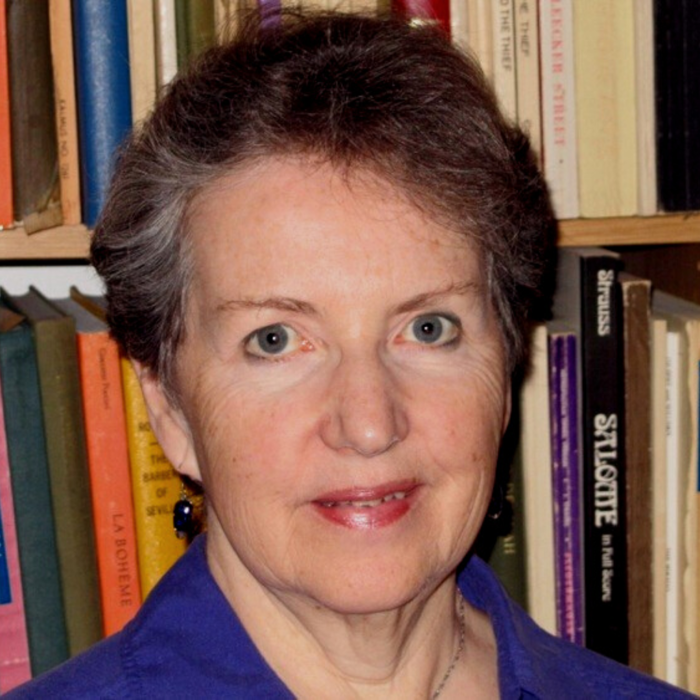
Feldenkrais Method® - its application in speech and song!

Marina Gilman
The Feldenkrais Method® is a form of somatic education that uses gentle movement and directed attention to improve physical and mental functioning, including singing and speaking. Since we are not always aware of the source of tension or discoordination, it is difficult to make the necessary adjustments to ensure optimal use of the voice!

Monday 2nd November 2026
5:00 PM - 7:00 PM
Tuesday 3rd November 2026
5:00 PM - 7:00 PM
(London Time)
The Vocal Health Challenges for Actors and Singers!

Leda Scearce
Two part course! Vocal health principles are inextricably and symbiotically linked with singing and acting voice pedagogy: Good vocal health allows the singer and actor to more easily and effectively achieve their technical and artistic goals, and good teaching reinforces vocal technique that diminishes the risk of vocal injury. We now also recognize the necessity for singers and actors to understand how their instruments work, how to take care of their voices, and what to do when something goes wrong. Singing and acting teachers are indeed on the front lines of vocal health!