Singing for Lung Health: The Basics
Tuesday 2nd April 2024, 5:00 PM - 7:00 PM (London Time)
According to a 2016 study, nearly 1 in 5 people living in the UK have received a diagnosis of lung disease, making it highly likely that clinicians and voice teachers will encounter a singer living with a lung disease such as asthma, chronic obstructive pulmonary disease (COPD) or pulmonary fibrosis.
Dysfunctional breathing patterns can result from attempts to compensate for underlying pathology. Mounting evidence touts the benefits of better breathing patterns for patients with obstructive and restrictive lung diseases, however learning to sing may impact other systems.
Reduced respiratory capacity is associated with dysphonia and patients with lung disease are at a higher risk of developing complications due to swallowing problems. Singing can strengthen the muscle associated with phonation and swallowing, bring awareness to the oral motor mechanism, and assist in coordinating multiple physiological components critical to the management of lung disease.
In this presentation, we will explore the current available research and theories about why singing is beneficial to people living with impairments in the respiratory system.
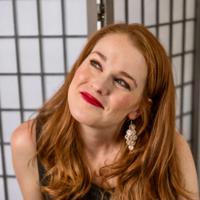
Dr Rachel B. Goldenberg
Dr Rachel B. Goldenberg is a leading authority on singing and lung disease. Dr Goldenberg’s doctoral dissertation focused on the use of singing lessons as an adjunctive airway clearance technique for cystic fibrosis, and...
Attend this course for as little as £22 as part of the Voice Professional Training CPD Award Scheme.
Learn MoreSorry, this is an archived short course...
We have plenty of upcoming short courses coming soon. See details of some of them below or look at the full list of short courses.

Wednesday 4th March 2026
1:00 PM - 2:00 PM
Wednesday 11th March 2026
1:00 PM - 2:00 PM
Wednesday 18th March 2026
1:00 PM - 2:00 PM
Wednesday 25th March 2026
1:00 PM - 2:00 PM
Wednesday 1st April 2026
1:00 PM - 2:00 PM
Wednesday 8th April 2026
1:00 PM - 2:00 PM
(London Time)
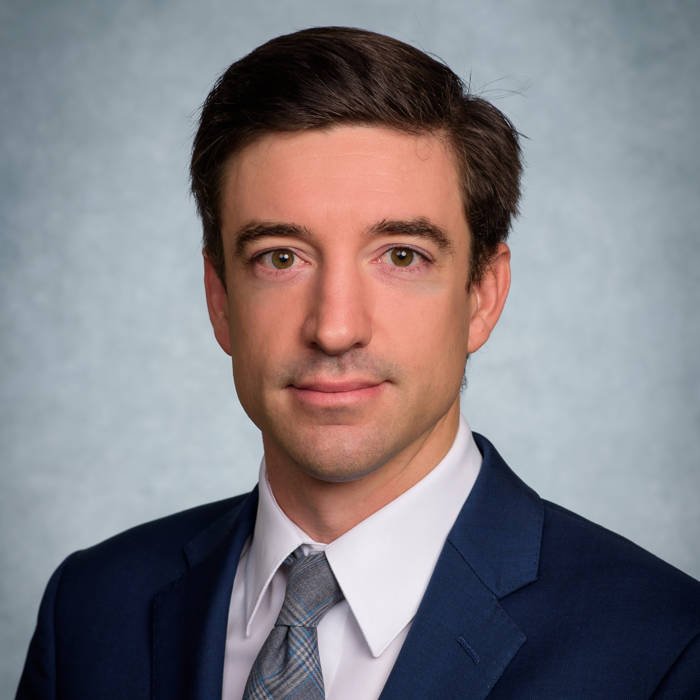
Learn to Coach RP and SSBE – a Certificate in Accent Coaching

Louisa Morgan
This six-week course is an opportunity to learn about both Received Pronunciation and Standard Southern British English. Rather than a course in learning how to speak RP/SSBE (there are many brilliant available courses for this already), this course is about learning how to coach it.

Wednesday 25th March 2026
5:00 PM - 7:00 PM
(London Time)
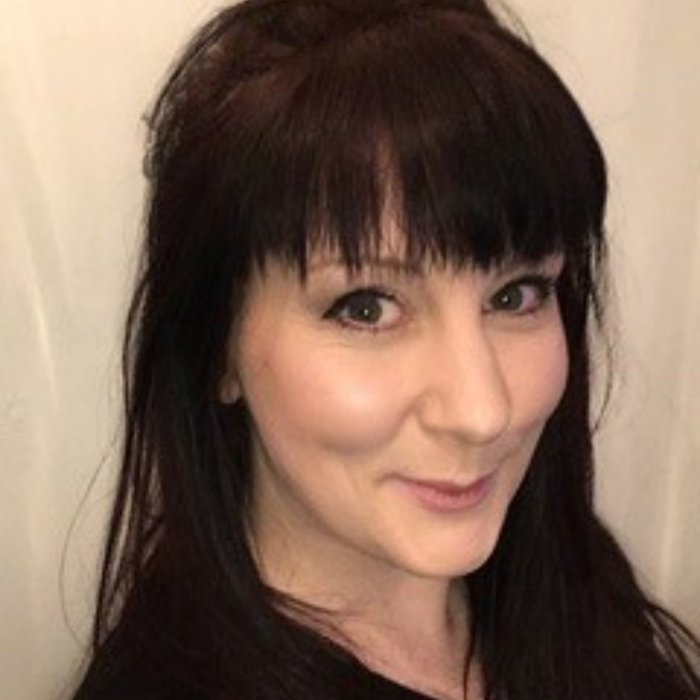
Mastering the Art of "Marking": Vocal Longevity for the Modern Singer

Jacob Wright
Don’t just save your voice—optimize it! Join Jacob Wright as he explores marking technique in singing, a vocal conservation strategy used by singers during rehearsals and extended performance periods. Marking involves singing at reduced vocal intensity, altered pitch, or modified vocal quality to preserve vocal health while maintaining musical and dramatic engagement. Participants will gain practical tools for implementing marking in their own practice, teaching, or clinical work, supported by current research and voice science principles!
Friday 27th March 2026
1:00 PM - 3:00 PM
(London Time)
Muscle Tension Dysphonia in the Singing Voice!

Dr Claire Thomas
A specialist course for singing teachers and voice professionals! Designed specifically for those working with singers, this in-depth course with Dr Claire Thomas explores Muscle Tension Dysphonia (MTD) through the lens of the singing voice - bridging clinical research and studio practice.