The Emotional Voice: Past Theories, Present Practice
Thursday 5th February 2026, 1:00 PM - 2:30 PM (London Time)
Thursday 5th February 2026, 1:00 PM - 2:30 PM (London Time)
Theories of emotion across time and their application to voice practice (a 2-part course)
From the Greek actor Polus of Aegina carrying an urn of his own dead son’s ashes onstage in Sophocles’ Electra (Konjin, 1997) to the so-called American Method acting of Hollywood in the 20th Century, how performers work with and express emotion has been a vital part of their craft and how they are perceived by audiences.
Exactly what emotion is has been a hotly debated topic throughout history. In fact, the first time the word ‘emotion’ was used regularly in literature was the 19th century (Evans, 2019). There are many theories that have developed surrounding its definition, how emotions should be categorised, whether or not they are universal, and how we express them.
In this two-part course, we consider these questions:
How have theories of emotion developed over time?
How could understanding theories of emotion help voice practitioners in their coaching of singers and speakers?
Who is it for?
This course is for voice teachers (spoken or singing) who have an interest in emotion research and would like to know more about the history of the theories of emotion and how a deeper knowledge of these concepts can be applied in the voice studio. The first part of each section will be in a lecture format, but there will be plenty of opportunities for discussion.
Session 1: Theories of emotion, past and present
We will follow a brief history of emotion theories, looking at how the study of emotion has been connected with theology, ethics, art and science. We will consider where we are now in emotion research, and ask whether or not we as voice practitioners need to choose where we land on the topic.
Session 2: Application to practice in the voice studio
We will consider the theories of emotion on a more practical level and look at how these ideas impact our understanding of vocal expression and attitudes towards performance.
🏷️ Price £50 (UK VAT inclusive)
🎥 Recording automatically sent to all who book (even if you cannot attend live)
▶️ Rewatch as many times as you like
📜 Certificate of attendance available

Louisa Morgan
Louisa Morgan is a lecturer, voice teacher and researcher, with a special focus on spoken and sung emotion. Louisa lectures with Voice Study Centre (spoken voice lead) and teaches Musical Theatre students on the MA/MFA course at the Guildford School of Acting (GSA).
Sorry, this is an archived short course...
We have plenty of upcoming short courses coming soon. See details of some of them below or look at the full list of short courses.

Wednesday 4th March 2026
1:00 PM - 2:00 PM
Wednesday 11th March 2026
1:00 PM - 2:00 PM
Wednesday 18th March 2026
1:00 PM - 2:00 PM
Wednesday 25th March 2026
1:00 PM - 2:00 PM
Wednesday 1st April 2026
1:00 PM - 2:00 PM
Wednesday 8th April 2026
1:00 PM - 2:00 PM
(London Time)
Learn to Coach RP and SSBE – a Certificate in Accent Coaching

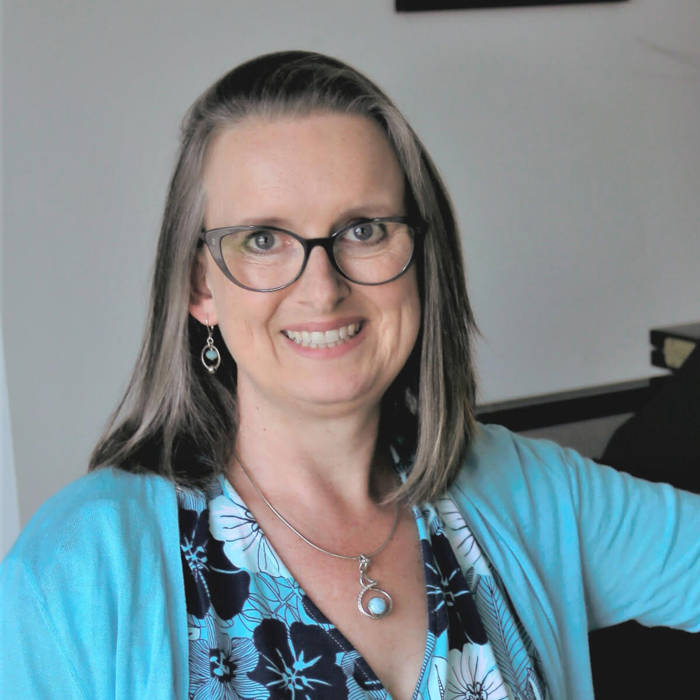
Louisa Morgan
This six-week course is an opportunity to learn about both Received Pronunciation and Standard Southern British English. Rather than a course in learning how to speak RP/SSBE (there are many brilliant available courses for this already), this course is about learning how to coach it.

Tuesday 7th April 2026
5:00 PM - 7:00 PM
(London Time)
Leaning Into Discomfort: Supporting Regulation and Resilience in Voice Care

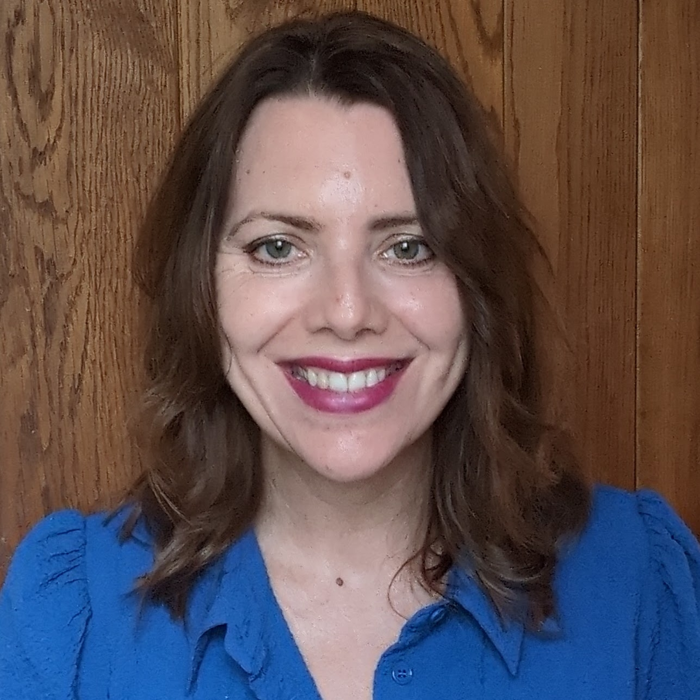
Dr Carol Krusemark
Working with the singing body and nervous system, whether in teaching, coaching, therapy, or performance, often means navigating moments of stress, vulnerability, and uncertainty. In these moments, both teachers and clients can find themselves operating from a heightened autonomic stress response that affects communication, learning, and vocal function. Join Dr Carol Krusemark as she explores how an understanding of the autonomic nervous system can inform more effective and compassionate voice work!
Thursday 9th April 2026
1:00 PM - 2:30 PM
Thursday 16th April 2026
1:00 PM - 2:30 PM
Thursday 23rd April 2026
1:00 PM - 2:30 PM
Thursday 30th April 2026
1:00 PM - 2:30 PM
Thursday 7th May 2026
1:00 PM - 2:30 PM
(London Time)
Introduction to Postgraduate Academic Skills - Join Live!

Debbie Winter
Are you ready to elevate your academic journey? Hosted by our very own Debbie Winter, join our comprehensive Introduction to Academic Skills course, designed to equip you with essential tools and strategies for success in higher education. Perfect for bridging the gap between undergraduate and postgraduate study, this course offers a pathway to our full MA for students without an existing degree. We offer both live, interactive sessions and standalone, pre-recorded content.