The Integration of Voice and Dance Technique: Triple Threat or Double Trouble?
Thursday 20th June 2024, 5:30 PM - 7:30 PM (London Time)
In the world of musical theatre, artists are required to combine the skills of singing, dancing, and acting, which has led to them being referred to as 'Triple Threat' performers. To sing and dance simultaneously requires a high degree of technique integration, but historically training in these disciplines has remained quite segregated. Traditional training methods in dance and voice reveal potential conflicts in areas such as postural alignment, muscle recruitment patterns, and breath mechanics, and in the absence of true integrative training methods, performers are often caught in the middle of these discrepancies, which can leave them vulnerable to injury.
In this session, we will explore these areas of conflict, examine the rationale for these pedagogical choices, and suggest areas for improvement of integration in both training and performance. Topics will include:
- An exploration of the muscle recruitment patterns in traditional dance training
- Highlighting the conflicts in breath mechanics between dance and voice techniques
- The importance of optimal sub-glottal pressure in musical theatre performance
- Common injuries associated with dance and voice technique integration
- Technique integration skills to optimise breath for safe vocalising and core stability for movement
- Suggestions for improving skill integration in pedagogical and performance settings
This session will highlight the key stumbling blocks faced by many musical theatre performers, examine the training and performance cultures in this field, and suggest ways to improve technique integration skills to protect the Triple Threat performers.
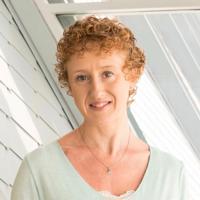
Jennie Morton
After a long performing career as a Ballet dancer, West End Musical Theatre performer, and lead singer of a London-based Big Band, Jennie is now an Osteopath specializing in Performing Arts Medicine. Now based in Los Angeles...
Attend this course for as little as £22 as part of the Voice Professional Training CPD Award Scheme.
Learn MoreSorry, this is an archived short course...
We have plenty of upcoming short courses coming soon. See details of some of them below or look at the full list of short courses.

Tuesday 27th October 2026
5:00 PM - 7:00 PM
(London Time)
Pop Pedagogy - an Overview

Kim Chandler
Some successful pop stars are celebrating career lengths of over sixty years, having been around since the 1950s when pop music emerged and diversified from jazz, so pop singing has been in existence sufficiently long now that, for teaching purposes, we can observe and analyse what type of approach serves it best.

Friday 30th October 2026
3:00 PM - 5:00 PM
(London Time)
Feldenkrais Method® - its application in speech and song!

Marina Gilman
The Feldenkrais Method® is a form of somatic education that uses gentle movement and directed attention to improve physical and mental functioning, including singing and speaking. Since we are not always aware of the source of tension or discoordination, it is difficult to make the necessary adjustments to ensure optimal use of the voice!

Monday 2nd November 2026
5:00 PM - 7:00 PM
Tuesday 3rd November 2026
5:00 PM - 7:00 PM
(London Time)
The Vocal Health Challenges for Actors and Singers!

Leda Scearce
Two part course! Vocal health principles are inextricably and symbiotically linked with singing and acting voice pedagogy: Good vocal health allows the singer and actor to more easily and effectively achieve their technical and artistic goals, and good teaching reinforces vocal technique that diminishes the risk of vocal injury. We now also recognize the necessity for singers and actors to understand how their instruments work, how to take care of their voices, and what to do when something goes wrong. Singing and acting teachers are indeed on the front lines of vocal health!