The Neuroscience of Emotion: Individuality, Interpretation, and Anxiety
Thursday 2nd December 2021, 5:00 PM - 7:00 PM (London Time)
This short course will unpack the essence of emotion from a neuroscience perspective to improve all aspects of our vocal lives.
Human emotion is coupled to all we do, including practice and performance.
Emotions can enhance our abilities, but other times they can be detrimental to our process.
Clarity in our interoceptive experiences can help us design mental and physical interventions.
We will discuss solutions for pre-performance anxieties, optimizing practice, emotion as a vocal tool, learning, and the student-teacher dynamic.
Through a deeper understanding of our brain-body continuum we can not only optimize ourselves as singers, but as humans as well.
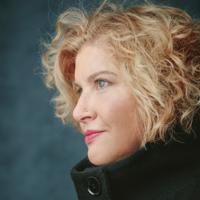
Heidi Moss Erickson
Heidi Moss, is a Bay Area performer, educator, and scientist. Noted for her “rich and radiant soprano” (Edward Oriz, Sacramento Bee) has performed on national and international stages...
Sorry, this is an archived short course...
We have plenty of upcoming short courses coming soon. See details of some of them below or look at the full list of short courses.

Tuesday 27th October 2026
5:00 PM - 7:00 PM
(London Time)
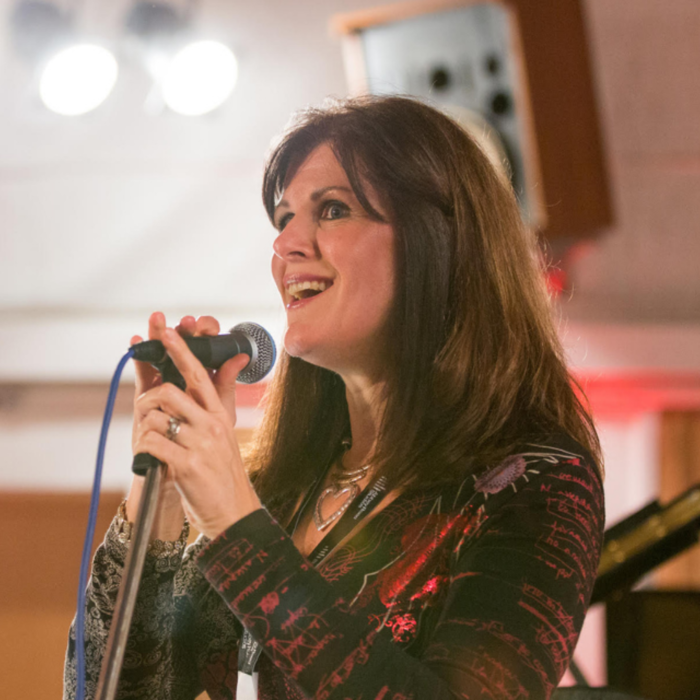
Pop Pedagogy - an Overview

Kim Chandler
Some successful pop stars are celebrating career lengths of over sixty years, having been around since the 1950s when pop music emerged and diversified from jazz, so pop singing has been in existence sufficiently long now that, for teaching purposes, we can observe and analyse what type of approach serves it best.
Friday 30th October 2026
3:00 PM - 5:00 PM
(London Time)
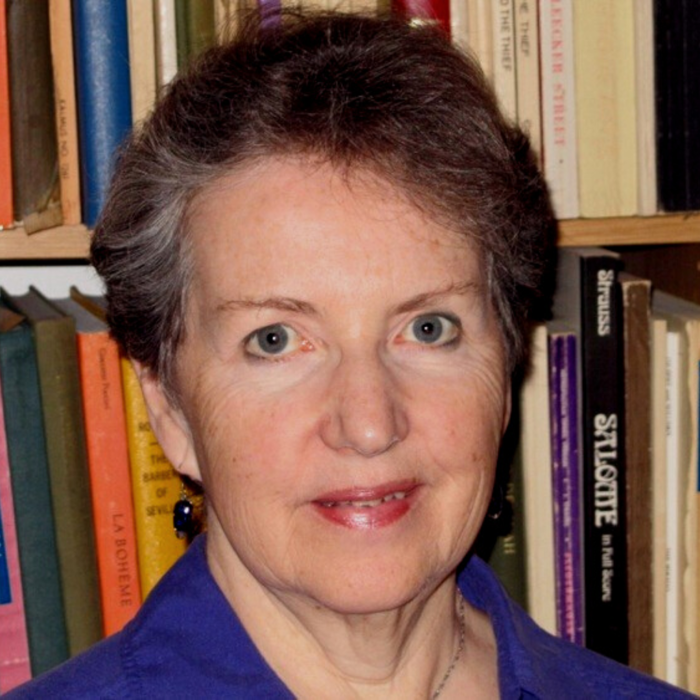
Feldenkrais Method® - its application in speech and song!

Marina Gilman
The Feldenkrais Method® is a form of somatic education that uses gentle movement and directed attention to improve physical and mental functioning, including singing and speaking. Since we are not always aware of the source of tension or discoordination, it is difficult to make the necessary adjustments to ensure optimal use of the voice!

Monday 2nd November 2026
5:00 PM - 7:00 PM
Tuesday 3rd November 2026
5:00 PM - 7:00 PM
(London Time)
The Vocal Health Challenges for Actors and Singers!

Leda Scearce
Two part course! Vocal health principles are inextricably and symbiotically linked with singing and acting voice pedagogy: Good vocal health allows the singer and actor to more easily and effectively achieve their technical and artistic goals, and good teaching reinforces vocal technique that diminishes the risk of vocal injury. We now also recognize the necessity for singers and actors to understand how their instruments work, how to take care of their voices, and what to do when something goes wrong. Singing and acting teachers are indeed on the front lines of vocal health!