The Neuroscience of Speech and Song
Thursday 23rd April 2026, 5:00 PM - 7:00 PM (London Time)
Every syllable and every song comes from a 1kg lump of cells in our skulls that we call the brain, and that’s not half of what it does! Understanding how the brain works is important, but understandably this can get a little complicated and sometimes even a little intimidating.
The Neuroscience of Speech and Song offers an engaging and accessible introduction to the fascinating interface between the brain and some of the things that we use it for. This course is designed to unravel the complex processes underlying how we speak and sing, using simple and accessible language.
The mind and the brain are two sides of the same coin. You would expect an expert in digestion to have a working knowledge of the stomach, wouldn’t you? In just the same way we might expect that an expert in certain kinds of human behaviours -like speaking and singing- should have some understanding of how the human brain is able to do these things.
This course will start from basics and assume very little prior knowledge. We will cover the basic structure of the brain and how it works in general, then narrow in on specific processes that are relevant to speech and song. Examples may be drawn from clinical cases such as Parkinson’s Disease because understanding ways in which the brain sometimes does not work as it should can help us understand how it typically would.
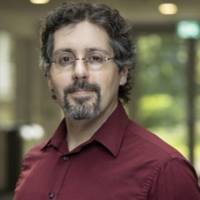
Dr Michel Belyk
Dr Michel Belyk is a Senior Lecturer in Psychology at Edge Hill University. He studies the human voice, all the things that it says, and how it is able to say them.
Attend this course for as little as £22 as part of the Voice Professional Training CPD Award Scheme.
Learn MoreSorry, this is an archived short course...
We have plenty of upcoming short courses coming soon. See details of some of them below or look at the full list of short courses.
Tuesday 13th October 2026
1:00 PM - 2:00 PM
(London Time)
MA Voice Pedagogy: Online Information Session & Q&A

Debbie Winter
Considering our MA Voice Pedagogy? Join our Director for a focused online presentation and discussion to explore the course, ask questions, and discover whether postgraduate study at Voice Study Centre is right for you.

Tuesday 13th October 2026
2:00 PM - 4:30 PM
(London Time)
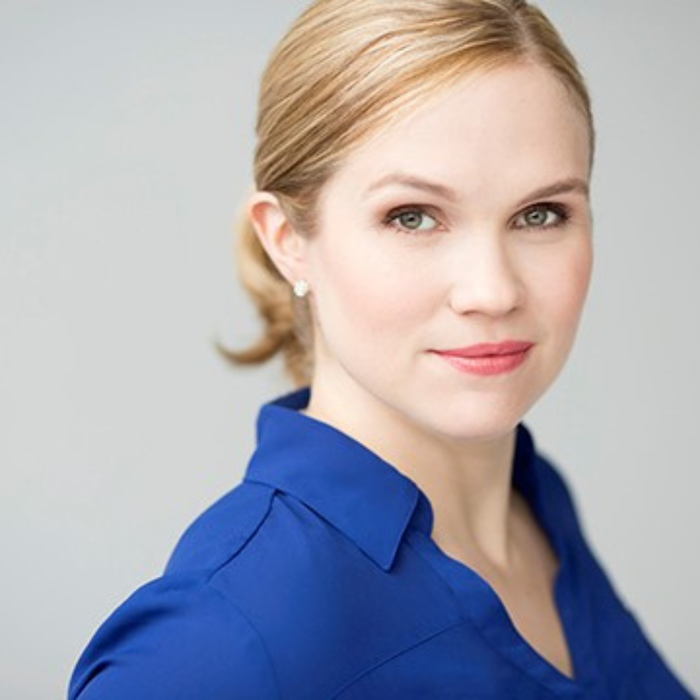
Musical Theatre Singing Pedagogy: A Framework for Teaching Musical Theatre Singers!

Amanda Flynn
Join Amanda Flynn for this extended 2.5 hour session on the the pedagogy of teaching musical theatre singing. She will begin by exploring the flexibility needed for musical theatre singing through definitions, listening exercises, and some historical context.
Wednesday 14th October 2026
3:00 PM - 5:00 PM
(London Time)
Thinking Outside the Voice Box: Adolescent Female Voice Change

Dr Bridget Sweet-Manternach
Join Dr Bridget Sweet for this 2 hour session as she unpacks this fascinating topic. The purpose of this course is to bring attention to adolescents who experience an estrogen-dominant voice change and to encourage new and holistic ways of thinking about [assigned at birth] female voices. While considering physical changes during adolescence, we will unpack basic vocal anatomy and physiology and then discuss what happens to the vocal mechanism during voice change for females vs. [assigned at birth] males.