The Neuroscience of Stammering
Tuesday 27th August 2024, 5:00 PM - 7:00 PM (London Time)
This lecture will provide brief revision of neuroscience generally, and use this knowledge to develop an understanding of why we stammer.
Michel will demystify neuroscience and take you beyond merely looking at colourful blobs and brainwaves. While the colourful blobs will certainly be there, much of the lecture will focus on understanding what they mean, and more importantly what they mean for brains that stammer and the people who have them.
Stammering is heritable, some people just have brains that work that way. When they speak sometimes they speak with hesitations, prolongations, or repetitions that they cannot control. The fact that their brains work differently is an excellent opportunity for us to learn more about how the brain controls speech. Stammering even has a special relationship with singing: it’s hard to stammer when you sing. We can learn a lot by trying to understand why!
People who stammer sometimes find it inconvenient and they may try to reduce their stammering with speech therapy. Sometimes the therapies even work. However, much more often they find the way that people treat them because of their stammer is a bigger problem. There is growing discussion that they probably should not have to have speech therapy is they don’t want it. It may be a kinder society that simply accepts them as they are and accommodates stammering as a form of disability. We will discuss these contemporary social issues as well as their practical implications for the lives of people who stammer.
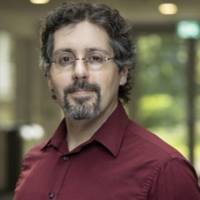
Dr Michel Belyk
Dr Michel Belyk is a Senior Lecturer in Psychology at Edge Hill University. He studies the human voice, all the things that it says, and how it is able to say them.
Attend this course for as little as £22 as part of the Voice Professional Training CPD Award Scheme.
Learn MoreSorry, this is an archived short course...
We have plenty of upcoming short courses coming soon. See details of some of them below or look at the full list of short courses.
Tuesday 22nd July 2025
5:00 PM - 7:00 PM
Tuesday 29th July 2025
5:00 PM - 7:00 PM
Tuesday 5th August 2025
5:00 PM - 7:00 PM
Tuesday 12th August 2025
5:00 PM - 7:00 PM
Tuesday 19th August 2025
5:00 PM - 7:00 PM
Tuesday 26th August 2025
5:00 PM - 7:00 PM
(London Time)
Certificated Public Speaking Coach qualification - with John Henny

John Henny
Would you like to be a certified public speaking coach? Join the renowned John Henny for this exciting new online course! This six-week online certification course is designed to equip voice teachers with the specialised skills needed to work with public speakers, corporate trainers, educators, and presenters. Unlike a general public speaking course, this program is specifically tailored to train-the-trainer, giving voice professionals structured methodologies, coaching techniques, and applied skills to enhance vocal delivery, confidence, and influence in professional speakers.
Thursday 24th July 2025
5:00 PM - 6:00 PM
(London Time)
Transitioning From Soprano To Mezzo-Soprano - Pedagogical Approaches!

Dr Caitlin Moore
This workshop will explore the considerations for transitioning from soprano to mezzo-soprano. We will examine the history and vocal science related to voice classification as well as interviews with singers and voice teachers. Interviews feature singers who have experienced this Fach change themselves, as well as voice teachers who have helped singers navigate this shift.

Tuesday 29th July 2025
5:00 PM - 7:00 PM
(London Time)
Towards a Jazz Pedagogy: Lessons from Legends and Educators!

Dr Autumn Griffin
Join Dr Autumn Griffin as she explores the foundational tenets of jazz pedagogy as both a conceptual and practical framework for teaching, in this two-hour workshop. Drawing from her research in “Towards a Jazz Pedagogy: Learning with and from Jazz Greats and Great Educators,” she’ll investigate how jazz (its historical and cultural legacy, structure, improvisation, and relationality) can be mobilized to inform dynamic, liberatory educational practice!