The Use of Music in the Speech Recovery and Confidence Rebuilding After Laryngectomy
Thursday 20th February 2025, 5:00 PM - 7:00 PM (London Time)
Laryngectomy is the surgical removal of the voice box, a life changing operation mostly indicated by throat cancer. The post-operative anatomical changes affect voice, swallow, smell and taste. As a result up to 30% of the affected population suffer from anxiety, depression and/or social isolation.
We explore the use of singing, acting and beatboxing techniques in the speech recovery after laryngectomy. We showcase how laryngectomy choir activities including performances and writing poetry help to rebuild confidence and inform, even inspire, the laryngectomy, healthcare, science and broader communities.
We will discuss the rationale behind the introduction of music and writing poetry into the alaryngeal speech recovery, demonstrate audio-samples before and after the use of singing techniques and learn from feedback from audience and participants. The talk will include examples of poetry and performance by the laryngectomy choir. At the end of the lecture there will be room for Q&A.
The talk will be structured as follows:
- introduction to laryngectomy and its post-operative anatomical changes.
- The importance of respiratory function and breathing techniques.
- How Singing techniques can improve the quality of the laryngectomy voice.
- Music as a motivational tool in rehabilitation.
- Beatboxing: every sound counts.
- A choir: group activity on steroids.
- The importance of multiplural co-creation.
- The healing and educational effect of putting things to paper.
- The power of performance.
🏷️ Price £30 (UK VAT inclusive)
🎥 Recording automatically sent to all who book (even if you cannot attend live)
▶️ Rewatch as many times as you like
📜 Certificate of attendance available
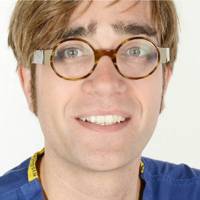
Dr Thomas Moors
A Belgian, London based, awarded medical doctor with special interest in voice and integration of art into healthcare. His mission is to use multi plural co - creativity and bring positive attention towards small and scattered groups (overlooked) in medicine, research and society.
Attend this course for as little as £22 as part of the Voice Professional Training CPD Award Scheme.
Learn MoreSorry, this is an archived short course...
We have plenty of upcoming short courses coming soon. See details of some of them below or look at the full list of short courses.

Tuesday 27th October 2026
5:00 PM - 7:00 PM
(London Time)
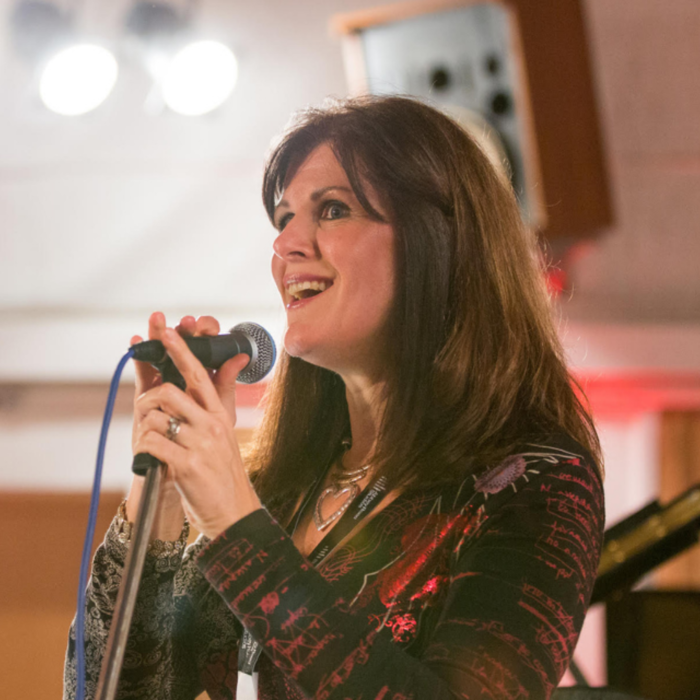
Pop Pedagogy - an Overview

Kim Chandler
Some successful pop stars are celebrating career lengths of over sixty years, having been around since the 1950s when pop music emerged and diversified from jazz, so pop singing has been in existence sufficiently long now that, for teaching purposes, we can observe and analyse what type of approach serves it best.
Friday 30th October 2026
3:00 PM - 5:00 PM
(London Time)
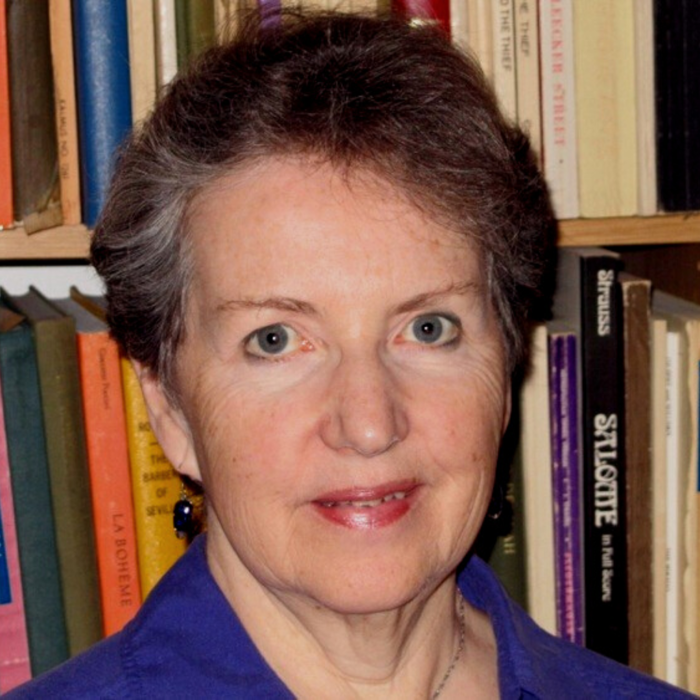
Feldenkrais Method® - its application in speech and song!

Marina Gilman
The Feldenkrais Method® is a form of somatic education that uses gentle movement and directed attention to improve physical and mental functioning, including singing and speaking. Since we are not always aware of the source of tension or discoordination, it is difficult to make the necessary adjustments to ensure optimal use of the voice!

Monday 2nd November 2026
5:00 PM - 7:00 PM
Tuesday 3rd November 2026
5:00 PM - 7:00 PM
(London Time)
The Vocal Health Challenges for Actors and Singers!

Leda Scearce
Two part course! Vocal health principles are inextricably and symbiotically linked with singing and acting voice pedagogy: Good vocal health allows the singer and actor to more easily and effectively achieve their technical and artistic goals, and good teaching reinforces vocal technique that diminishes the risk of vocal injury. We now also recognize the necessity for singers and actors to understand how their instruments work, how to take care of their voices, and what to do when something goes wrong. Singing and acting teachers are indeed on the front lines of vocal health!