The Use Of Supraglottic Constrictions In Singing
Thursday 18th November 2021, 5:00 PM - 7:00 PM (London Time)
Supraglottic activity is usually associated with hyper-functional voice disorders and is considered as a reflection of vocal misuse and abuse.
Even though both medial and anterior-posterior compressions have been accepted as endoscopic signs of vocal hyperfunction, several studies have observed that supraglottic activity may also be present in normal speaking and singing voice production.
The degree of supraglottic activity may be influenced by several independent variables that commonly change during regular voice production (e.g. level of loudness, pitch, and phonatory task).
Previous studies have evaluated specific variables that may affect the degree of supraglottic tissue displacement in professional voice users.
The present course was designed to provide information about the variables that influence supraglottic activity in singing and why this activity should not be necessarily considered as a sign of vocal hyperfunction.
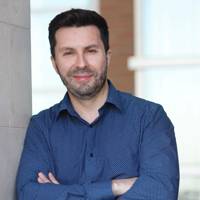
Dr Marco Guzmán
Dr. Guzman is a voice pathologist with twenty-two years of clinical and academic experience. He received his Ph.D. in Vocology from the Tampere University, Finland.
Sorry, this is an archived short course...
We have plenty of upcoming short courses coming soon. See details of some of them below or look at the full list of short courses.

Thursday 9th April 2026
5:00 PM - 7:00 PM
(London Time)
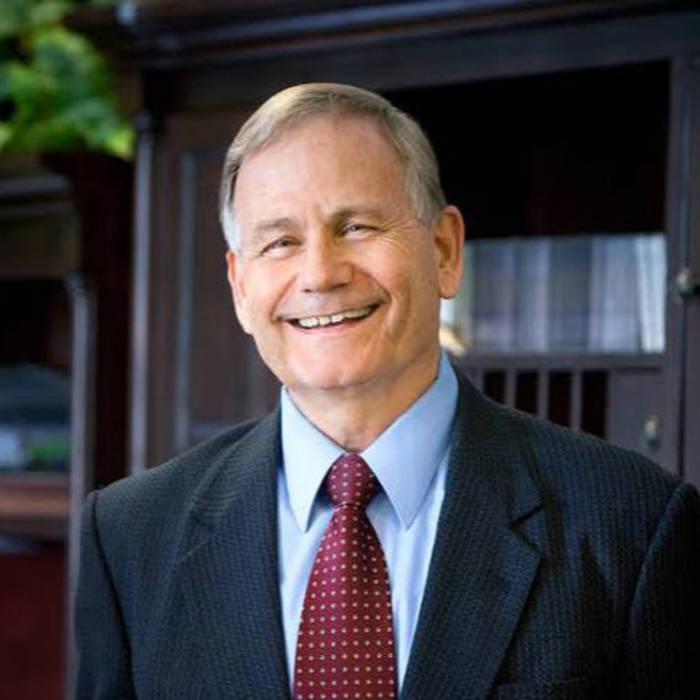
The Acoustics and Mechanics of Whistle Voice

Dr Ingo Titze
Join Dr Ingo Titze for this 2-hour session, as he dives deep into the physiological and acoustic mysteries of the human "whistle voice"—the highest register of the human vocal range. While often compared to a flute or a lip whistle, recent research suggests the biological reality is far more complex than simple aerodynamics!
Wednesday 15th April 2026
5:00 PM - 7:00 PM
Thursday 16th April 2026
5:00 PM - 7:00 PM
(London Time)
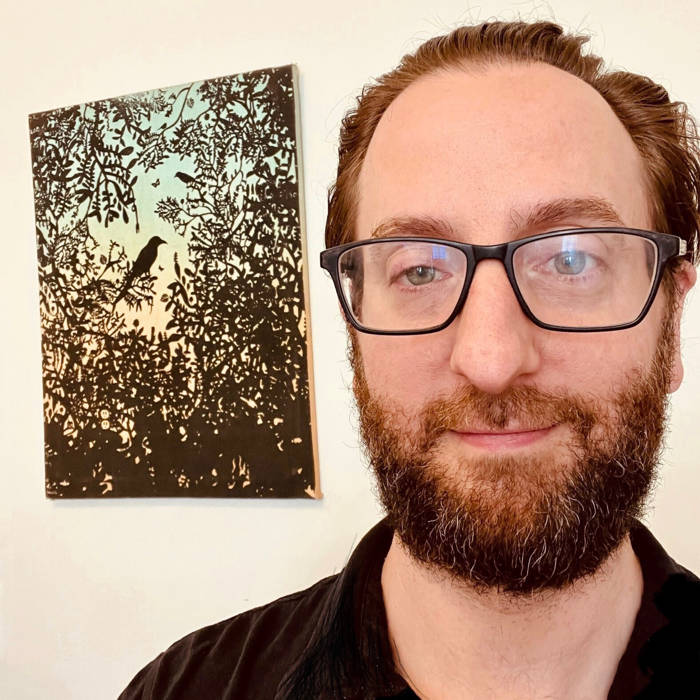
Mitigating Music Performance Anxiety (MPA) Within the Teaching Studio: Theories & Practical Strategies

Dr David Juncos
In recent years, an alternative model for treating MPA has shown great promise among practitioners - training music teachers to use interventions from evidence-based coaching models aimed to treat MPA, rather than continually referring students with MPA to receive psychotherapy like CBT.
Thursday 16th April 2026
5:00 PM - 7:00 PM
(London Time)
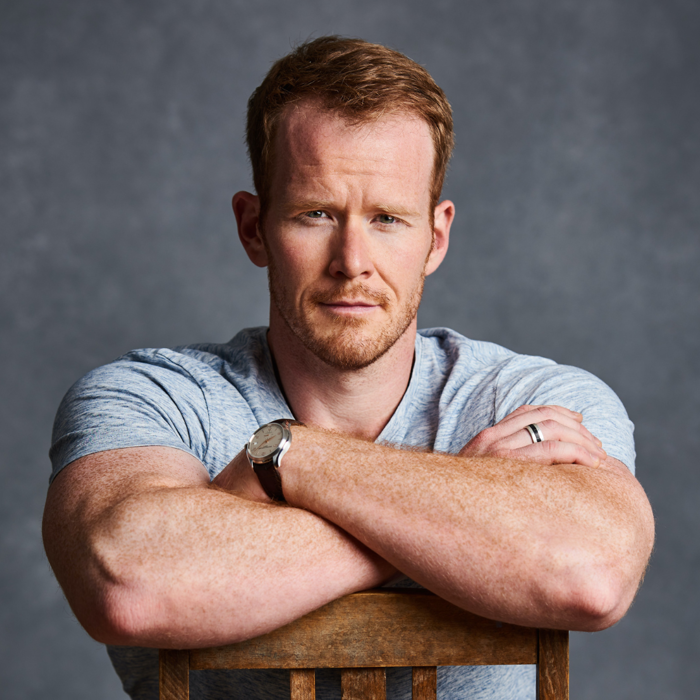
Nutrition and Exercise for Singers – The Missing Link in Vocal Health and Longevity

Duncan Rock
Discover the essential role that nutrition and exercise play in enhancing vocal health and ensuring a long-lasting singing career in our upcoming seminar, "Nutrition and Exercise for Singers – The Missing Link in Vocal Health and Longevity."