The Vocal Health Challenges for Actors and Singers!
Monday 2nd November 2026, 5:00 PM - 7:00 PM (London Time)
Tuesday 3rd November 2026, 5:00 PM - 7:00 PM (London Time)
Vocal health principles are inextricably and symbiotically linked with singing and acting voice pedagogy: Good vocal health allows the singer and actor to more easily and effectively achieve their technical and artistic goals, and good teaching reinforces vocal technique that diminishes the risk of vocal injury.
The singing world now recognizes that singers and actors are in fact vocal athletes who are testing the limits of the human voice, which places them at higher risk for vocal injury than those who do not have comparable vocal demands. The unfortunate reality, however is that many singers and actors have limited understanding of basic vocal anatomy, physiology and acoustics and may be underinformed or misinformed about critical health information regarding the care and maintenance of their primary instrument.
21st century singing and acting teachers face unique and challenging demands and opportunities relative to instructing their students. On the one hand, traditional instruction is expected to enable the student to establish a solid vocal technique, to gain insight into the specific musical, stylistic, artistic, and linguistic demands of a given genre, to gain an understanding of various career pathways and the necessary life-style adjustments and in many cases, to learn to effectively utilize amplification systems so critical to numerous performance settings. We now also recognize the necessity for singers and actors to understand how their instruments work, how to take care of their voices, and what to do when something goes wrong. Singing and acting teachers are indeed on the front lines of vocal health.
Course topics include:
- The teacher as a model of vocal health
- Foundations of vocal hygiene
- Vocal pacing for actors and singers
- Medical factors and the voice including upper respiratory infections, pulmonary conditions, allergies, laryngopharyngeal reflux, long COVID, musculoskeletal injuries, temporomandibular joint disorder, and others.
- The singing teacher’s role in identification of dysphonia and making appropriate referrals to the vocal health team.
- Medical voice evaluation for singers and actors
- What singers and actors should know about medical, surgical, and behavioral treatment of voice disorders.
🏷️ Price £50 (UK VAT inclusive)
🎥 Recording automatically sent to all who book (even if you cannot attend live)
▶️ Rewatch as many times as you like
📜 Certificate of attendance available
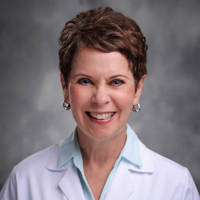
Leda Scearce
Soprano Leda Scearce has been featured in leading roles with the National Opera Company, Hawaii Opera Theatre, Long Leaf Opera Festival, Triangle Opera...