Transitioning From Soprano To Mezzo-Soprano - Pedagogical Approaches!
Thursday 24th July 2025, 5:00 PM - 6:00 PM (London Time)
Within the operatic and classical music realms, Fach is an identifier based on voice classification, as well as non-vocal factors such as acting style and physical appearance. For singers, stating one’s Fach is a way to advertise oneself for suitable operatic roles and concert solos. However, not all singers fit perfectly into a Fach, and some choose to switch between Fach categories over the course of their careers. Although such choices require careful consideration with the potential to impact a career, many have found success after transitioning to a lower Fach. While several studies have investigated singers transitioning to higher Fach categories, little research has been conducted regarding singers transitioning to a lower category.
This workshop will explore the considerations for transitioning from soprano to mezzo-soprano. We will examine the history and vocal science related to voice classification as well as interviews with singers and voice teachers. Interviews feature singers who have experienced this Fach change themselves, as well as voice teachers who have helped singers navigate this shift. We will also explore vocal, career, and psychological aspects of this transition.
You will leave with vocal exercises and teaching tools to address common technical issues when transitioning from soprano to mezzo-soprano as well as repertoire suggestions useful for those transitioning.
🏷️ Price £20 (UK VAT inclusive)
🎥 Recording automatically sent to all who book (even if you cannot attend live)
▶️ Rewatch as many times as you like
📜 Certificate of attendance available
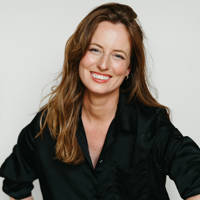
Dr Caitlin Moore
Dr. Caitlin Moore, mezzo-soprano and voice teacher, is known for her elegant and confident stage presence across vocal styles. She has been praised for her "magnificent vocal and dramatic talent" (La Presse) and "aplomb and distinction" (Opera Canada).
Sorry, this is an archived short course...
We have plenty of upcoming short courses coming soon. See details of some of them below or look at the full list of short courses.

Friday 30th October 2026
3:00 PM - 5:00 PM
(London Time)
Feldenkrais Method® - its application in speech and song!

Marina Gilman
The Feldenkrais Method® is a form of somatic education that uses gentle movement and directed attention to improve physical and mental functioning, including singing and speaking. Since we are not always aware of the source of tension or discoordination, it is difficult to make the necessary adjustments to ensure optimal use of the voice!

Monday 2nd November 2026
5:00 PM - 7:00 PM
Tuesday 3rd November 2026
5:00 PM - 7:00 PM
(London Time)
The Vocal Health Challenges for Actors and Singers!

Leda Scearce
Two part course! Vocal health principles are inextricably and symbiotically linked with singing and acting voice pedagogy: Good vocal health allows the singer and actor to more easily and effectively achieve their technical and artistic goals, and good teaching reinforces vocal technique that diminishes the risk of vocal injury. We now also recognize the necessity for singers and actors to understand how their instruments work, how to take care of their voices, and what to do when something goes wrong. Singing and acting teachers are indeed on the front lines of vocal health!
Friday 6th November 2026
3:00 PM - 5:00 PM
(London Time)
Neurodivergence and Critical Disability Theory

Dr David Cane
Hosted by our very own Dr David Cane, this two-hour session offers a timely and reflective opportunity to explore disability and neurodivergence within the voice teaching studio. Grounded in the field of critical disability studies, it will be of particular interest to voice professionals who wish to foster a more inclusive, reflexive and accessible practice.