Understanding the Impacts of Childhood Sexual Abuse on the Voice: A Pedagogical Guide
Thursday 27th March 2025, 5:00 PM - 7:00 PM (London Time)
The impact of childhood sexual abuse alters a person's relationship with their body, emotions and senses. Many survivors are experiencing the need to seek for the next potential threat, dissociation, lack of safety in the body, and a mistrust of other people as a result of their experiences. Being that learning to sing involves a connection to the body and a 1:1 working relationship with another person, this creates challenges that often go unspoken, due to fear or lack of language.
This workshop will discuss the five pillars of the voice (posture, breath, resonance, phonation and expression) and how experiencing childhood sexual abuse impacts each of them individually. It will outline ways to work with and around the blockages that the effects of the abuse creates in these areas.
Whilst not a diagnostic tool or treatment plan, it can help support singers and teachers in making more sense of their experiences while singing, and provide a supportive framework.
As we go through each area, exploring the physiological and psychological challenges it presents, we explore all the potential ways that through acknowledgement and working with patience the voice can ultimately be reclaimed, and used as a powerful tool for one's self-esteem, connection to themselves, others and something bigger than themselves - a necessary part of recovery from the traumatic effects of childhood sexual abuse.
This course will feature Dr Elisa Monti, who will be giving an overview of her published research that examines whether perpetrators can differentiate (by listening to the voice) those female speakers with and without assault histories, in terms of their vulnerability to further victimisation.
This workshop explores sensitive topics related to childhood sexual abuse. While the workshop aims to provide valuable insights into the relationship between trauma and the voice, it may bring up challenging emotions or personal experiences for some participants. If at any point during or after the course you feel affected, please know that 24/7 free online counselling services are available to all students. These services provide immediate, confidential mental health support, and we encourage you to reach out for assistance if needed.

Lauren McQuistin
Scottish soprano, Lauren McQuistin, completed her undergraduate studies at the Royal Conservatoire of Scotland before moving to America to pursue a Master of Music under the tutelage of Carol Vaness at Indiana University.

Dr Elisa Monti
Dr. Elisa Monti has a PhD in Cognitive, Social, and Developmental Psychology from The New School for Social Research. Her concentration is the relationship between psychological trauma and voice. Her mission is to contribute to further our understanding of this relationship.
Attend this course for as little as £22 as part of the Voice Professional Training CPD Award Scheme.
Learn MoreSorry, this is an archived short course...
We have plenty of upcoming short courses coming soon. See details of some of them below or look at the full list of short courses.

Tuesday 27th October 2026
5:00 PM - 7:00 PM
(London Time)
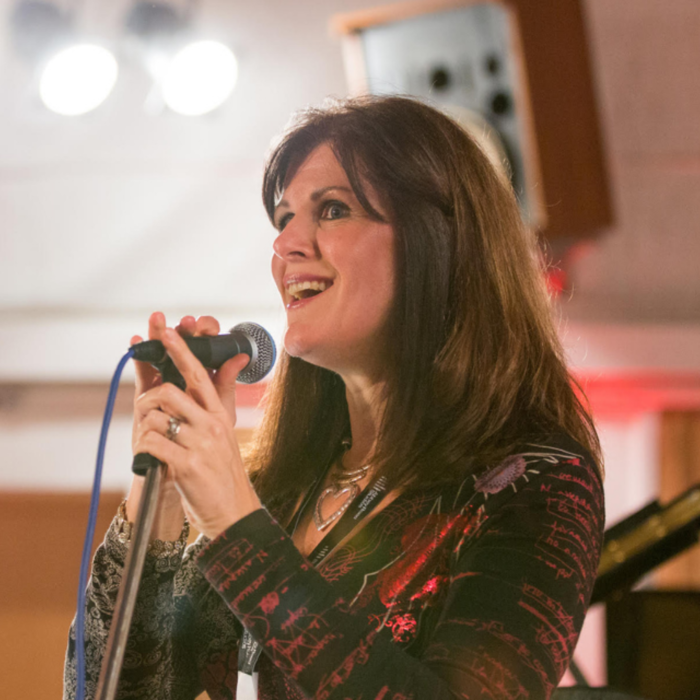
Pop Pedagogy - an Overview

Kim Chandler
Some successful pop stars are celebrating career lengths of over sixty years, having been around since the 1950s when pop music emerged and diversified from jazz, so pop singing has been in existence sufficiently long now that, for teaching purposes, we can observe and analyse what type of approach serves it best.
Friday 30th October 2026
3:00 PM - 5:00 PM
(London Time)
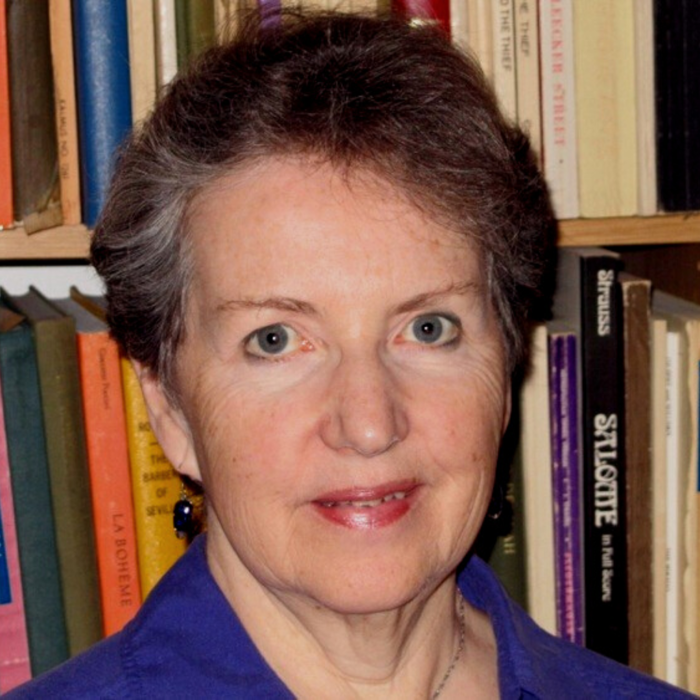
Feldenkrais Method® - its application in speech and song!

Marina Gilman
The Feldenkrais Method® is a form of somatic education that uses gentle movement and directed attention to improve physical and mental functioning, including singing and speaking. Since we are not always aware of the source of tension or discoordination, it is difficult to make the necessary adjustments to ensure optimal use of the voice!

Monday 2nd November 2026
5:00 PM - 7:00 PM
Tuesday 3rd November 2026
5:00 PM - 7:00 PM
(London Time)
The Vocal Health Challenges for Actors and Singers!

Leda Scearce
Two part course! Vocal health principles are inextricably and symbiotically linked with singing and acting voice pedagogy: Good vocal health allows the singer and actor to more easily and effectively achieve their technical and artistic goals, and good teaching reinforces vocal technique that diminishes the risk of vocal injury. We now also recognize the necessity for singers and actors to understand how their instruments work, how to take care of their voices, and what to do when something goes wrong. Singing and acting teachers are indeed on the front lines of vocal health!