Water Resistance Therapy For Voice Training: Research Findings And Practical Demonstrations
Thursday 7th October 2021, 5:00 PM - 7:00 PM (London Time)
Several types of SOVTE have been used and described in both voice rehabilitation and voice training.
The water resistance therapy (WRT) method (a type of SOVTE) consists of phonating different phonatory tasks into a glass tube, keeping the distal end of the tube submerged in water. Research on WRT has suggested the presence of a massage-like effect on vocal folds and vocal tract tissues, and changes in aerodynamic measures, electroglottographic (EGG) contact quotient (CQ), and vocal tract configuration.
These effects are assumed to contribute to vocal economy. Poral modulation during water bubbling has been established at a frequency of 12-40 Hz. The magnitude of variation of Poral during tube phonation in water has also been examined. Several practical variables affect water bubbling during WRT and they should be controlled when using this exercise for voice training.
The present course was designed to provide information about the variables that need to be controlled during WRT based on research findings. Practical demonstrations on how to properly performs WRT are also considered.
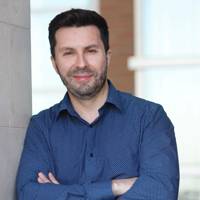
Dr Marco Guzmán
Dr. Guzman is a voice pathologist with twenty-two years of clinical and academic experience. He received his Ph.D. in Vocology from the Tampere University, Finland.
Sorry, this is an archived short course...
We have plenty of upcoming short courses coming soon. See details of some of them below or look at the full list of short courses.

Tuesday 5th May 2026
2:00 PM - 4:00 PM
Tuesday 12th May 2026
2:00 PM - 4:00 PM
Tuesday 19th May 2026
2:00 PM - 4:00 PM
Tuesday 26th May 2026
2:00 PM - 4:00 PM
Tuesday 2nd June 2026
2:00 PM - 4:00 PM
Tuesday 9th June 2026
2:00 PM - 4:00 PM
(London Time)
Music Theory Fundamentals for Voice Pedagogues

Dr David Cane
Voice pedagogy has advanced significantly in the last decades in relation to knowledge of the vocal apparatus (anatomy and mechanics), acoustics, and performance psychology (to name just a few subfields) – this is a wonderful thing! Nonetheless, musicianship and the foundations of music theory are still relevant to the teaching and coaching of singers and this course aims to empower voice teachers and coaches with skills to support the fundamental musicianship development of their students.

Thursday 4th June 2026
5:00 PM - 7:00 PM
(London Time)
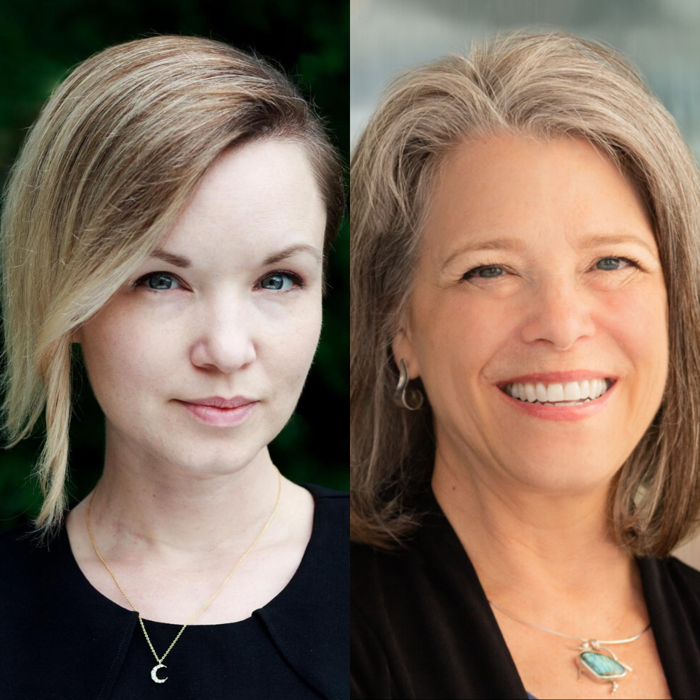
Flexible Pedagogy: Teaching Singers with Dynamic Conditions

Joanne Bozeman

Marita Stryker
Is your "flexible" student actually at risk? In recent years, the singing community has seen a vital shift in awareness toward "invisible" conditions like Hypermobility Spectrum Disorders (HSD), hEDS, and POTS. While hypermobility can sometimes feel like a "superpower" for range and flexibility, it often comes with a hidden cost: a higher frequency of voice disorders, respiratory challenges, and autonomic fatigue. Join Joanne Bozeman and Marita Stryker as they unpick the the special challenges and management strategies needed...
Wednesday 10th June 2026
3:00 PM - 4:00 PM
(London Time)
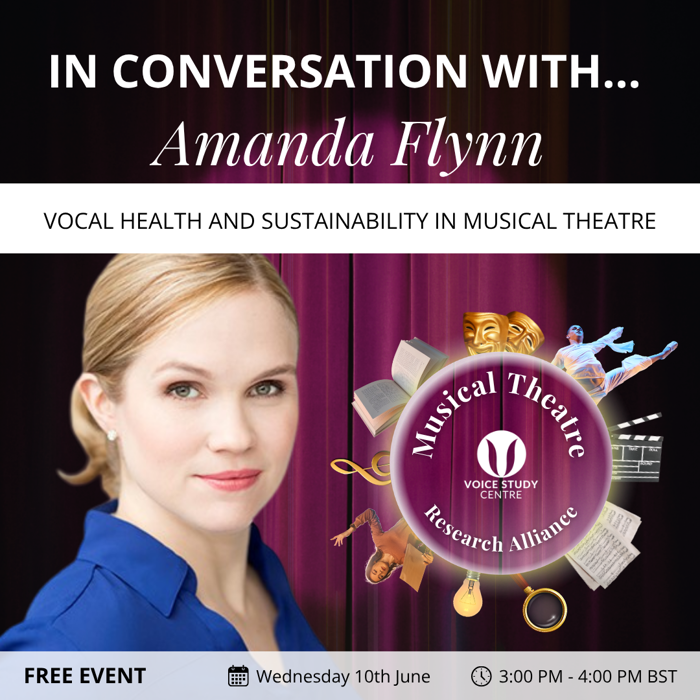
In Conversation With… Amanda Flynn

Dr Amanda Flynn
Join us for the first event in our new public interview series exploring vocal health and sustainability in musical theatre performance. Free and open to all!