Working with Neurodiversity: The Voice in Neurodiversity-Affirmative Music Therapy and other Music-based Work
Friday 31st January 2025, 12:00 PM - 2:00 PM (London Time)
The Neurodiversity Paradigm challenges the concept of autism, and related neurological differences such as ADHD and dyspraxia, as disorders or deficits, instead viewing neurodiversity (neurological diversity) as a natural and normal part of human diversity. Under the neurodiversity paradigm, neurotype (e.g. neurotypical, autistic etc.) is considered as an aspect of identity, in the same way as gender or sexuality, and neurodivergent forms of behaviour, communication and culture are valued in the same way as neurotypical forms of behaviour, communication and culture. In recent years, the music therapy profession has begun to consider the application of the neurodiversity paradigm to music therapy practice, in particular In relation to autism, and an increasing amount of literature embracing this perspective has been published.
This lecture, delivered from a lived experience perspective, will begin with an explanation of the key concepts around neurodiversity, the neurodiversity paradigm, and some prominent neurodiversity-informed theories, including a brief exploration of autistic communication and culture. We will look at ways to work musically from a neurodiversity-affirmative perspective, whether therapeutically or within other forms of music-based work or teaching practice. Particular consideration will be given to the use of the voice, both in terms of responding to the neurodivergent individual’s particular ways of using language, song and vocal sounds, and in terms of using one’s own voice (whether you identify as neurotypical or neurodivergent), and other forms of music, to communicate respectfully and effectively with neurodivergent people. I will speak about my own music therapy work with autistic people, which takes a collaborative approach with the client as much as possible, giving examples of how I use my voice and other forms of musical response in my therapeutic work.
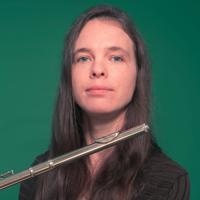
Hilary Davies
Hilary Davies is a Health and Care Professions Council-registered Music Therapist, specialising in music therapy with autistic people.
Attend this course for as little as £22 as part of the Voice Professional Training CPD Award Scheme.
Learn MoreSorry, this is an archived short course...
We have plenty of upcoming short courses coming soon. See details of some of them below or look at the full list of short courses.
Monday 7th July 2025
2:00 PM - 4:00 PM
Tuesday 8th July 2025
2:00 PM - 4:00 PM
Wednesday 9th July 2025
2:00 PM - 4:00 PM
Friday 11th July 2025
2:00 PM - 4:00 PM
Monday 14th July 2025
2:00 PM - 4:00 PM
Tuesday 15th July 2025
2:00 PM - 4:00 PM
Wednesday 16th July 2025
2:00 PM - 4:00 PM
Friday 18th July 2025
2:00 PM - 4:00 PM
(London Time)
Introduction to statistics and working with quantitative data for Voice Professionals: 8-Session Online Bootcamp

Dr David Cane
This certificated statistics course is ideal for individuals interested in laying a solid foundation in quantitative research methods. By focusing on essential statistical principles, you will be equipped with the tools to understand and apply quantitative research techniques effectively. Statistics is a crucial component of quantitative research; mastering it will enable you to grasp quantitative methods more confidently and precisely.

Tuesday 8th July 2025
12:00 PM - 2:00 PM
(London Time)
Oxygen Advantage for Vocal Educators • Empowering Vocalists Through Breath

Kate Cubley
Are you a singing teacher or trainee voice educator eager to expand your toolkit? Join Kate Cubley at Voice Study Centre for a dynamic 2-hour lecture exploring the role of functional breathing in supporting vocal performance, vocal health, and resilience—for both you and your students. This engaging session introduces the Oxygen Advantage® method: a science-backed approach to breathing that can transform how you teach, coach, and care for the voice.
Wednesday 9th July 2025
2:00 PM - 4:00 PM
(London Time)
Accents in Musical Theatre Singing!

Colton Weiss
Colton Weiss (he/they) is a professional dialect coach, actor, and lecturer (Ohio State Univ.) based out of Columbus, Ohio. With the continued popularity and development of productions that call for more demanding voice, speech, and accent work, dialect coaches, music directors, and actors must collaborate across jobs. Inspired from the text, Voice and Speech for Musical Theatre by Chris Palmer, and ongoing production experience, this presentation by Colton explores the intersections of accent work, and the musical skills needed for actors to perform in Musical Theatre.