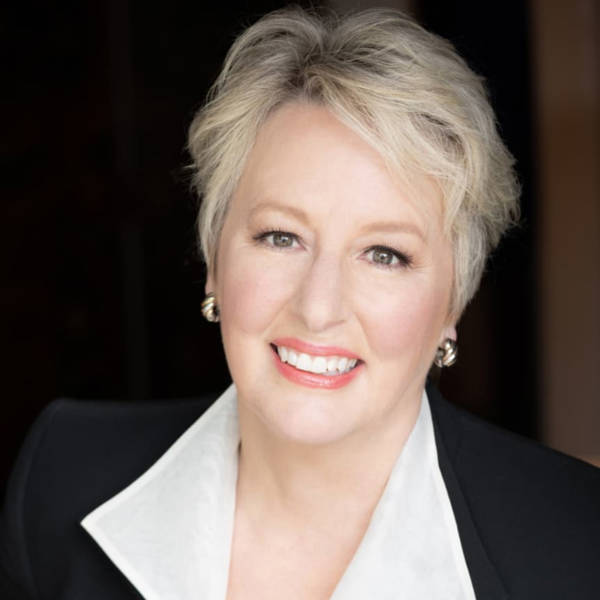
Lynn Helding, Professor of Practice in Vocal Arts and Opera, and Coordinator of the Vocology and Voice Pedagogy program at the University of Southern California Thornton School of Music, also maintains a private voice studio in Los Angeles. Her landmark book, The Musician’s Mind: Teaching, Learning and Performance in the Age of Brain Science (2020), acclaimed as “ground-breaking ... an invaluable contribution to the field of music pedagogy” by opera star Renée Fleming, integrates cognitive science and practical pedagogy.
Lynn Helding originated the term “science-informed voice pedagogy” which she defines as “A hybrid type of singing voice pedagogy that unites science and art,” (Helding, Practicing Science-Informed Voice Pedagogy, forthcoming from Bloomsbury Publishing). She served as the editor-in-chief of the Journal of Singing and authored over fifty academic essays and articles, including the chapter “Brain” in Scott McCoy’s best-selling voice pedagogy text, Your Voice: An Inside View 3. Her honours include election the prestigious American Academy of Teachers of Singing, and the 2020 Lifetime Achievement Award as “a legendary figure in the field of voice pedagogy” from Shenandoah University’s Contemporary Commercial Music Vocal Pedagogy Institute. Her stage credits include leading roles in opera, oratorio and musical theatre, and multiple recital tours throughout the United States, Australia, England, France, Germany, Italy, Spain, and Iceland.
Past Short Courses

Tuesday 6th October 2026
5:00 PM - 7:00 PM
(London Time)
Inspired Not Bound: The Promise of Science-Informed Voice Pedagogy

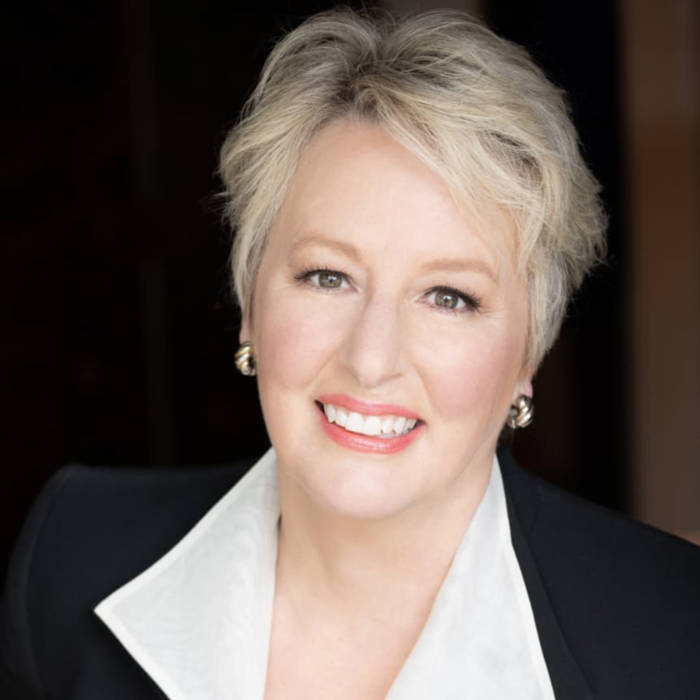
Lynn Helding
Lynn Helding defines Science-Informed Voice Pedagogy in her upcoming book Practicing Science-Informed Voice Training as, “A type of hybrid singing voice pedagogy that unites science and art by researching current voice science, translating it, combining it with extant historic voice knowledge, and transmitting it to singers.” Join Lynn Helding as she seeks to understand human behaviour of both sides of the “Science versus Art” debate via research from the fields of cognitive science and behavioural science, focussing particularly on lessons learned due to several societal shifts.