Training the Vocal Athlete: Strategies for Efficient Belting in the 21st Century Market!
Thursday 13th August 2026, 5:00 PM - 7:00 PM (London Time)
As musical theatre and contemporary vocal music continues to evolve, today's vocal athletes face increasing performance demands and greater vocal risk. Developing healthy, sustainable belting requires specialized knowledge of vocal function, strength, coordination, and pedagogy.
This interactive two-hour workshop explores evidence-informed strategies for training efficient, resilient belting across all levels of vocal athlete experience and across artistic preferences (Broadway vs. West End). Participants will learn practical exercises and teaching approaches designed to optimize vocal strength, improve coordination, and promote balanced voice production while minimizing unnecessary vocal load and phonotrauma.
Topics will include progression from the beginning belter to the advanced "powerhouse" singer, with an emphasis on healthy, sustainable technique that meets the demands of today's performance industry.
Participants will leave with immediately applicable exercises and pedagogical tools to help singers develop efficient, powerful belting that supports long-term vocal health and performance success.
🏷️ Price £30 (UK VAT inclusive)
🎥 Recording automatically sent to all who book (even if you cannot attend live)
▶️ Rewatch as many times as you like
📜 Certificate of attendance available

Dr Wendy LeBorgne
Dr Wendy LeBorgne is a sought-after voice pathologist, speaker, author, and master-class clinician regarding vocal wellness and vocal athletes...
Attend this course for as little as £22 as part of the Voice Professional Training CPD Award Scheme.
Learn MoreSorry, this is an archived short course...
We have plenty of upcoming short courses coming soon. See details of some of them below or look at the full list of short courses.


Tuesday 24th November 2026
5:00 PM - 7:00 PM
(London Time)
The Lemma Dilemma: Teaching Voice and Speech through a Linguistic Lens!

Ashleigh Reade
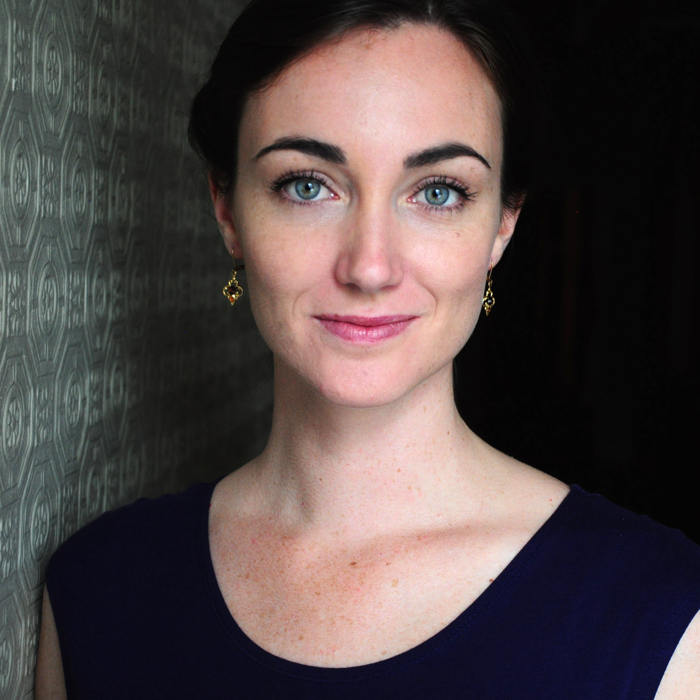
For voice and speech teachers, the importance of “the thought” is almost a given. Text comes to life when it is fueled by an external stimulus; we breathe in response to an image, a concept, a need we wish to express, then transmit that to our listener on the voice. In psycholinguistic models of speech processing and production, the lemma is the mental representation of a concept that contains both semantic and syntactic meaning, linking an idea to the sounds needed to express the idea. Join Ashleigh Reade as explores how to bridge the gap between actor and text, examining how psycholinguistics can support our voice and speech teaching.
Monday 30th November 2026
6:00 PM - 8:00 PM
(London Time)
Bringing Colour Theory into IPA Vowels!

Siobhan Doherty Buffett
Step into a multi-sensory approach to phonetics with Siobhan Doherty Buffett, certified teacher of Knight-Thompson Speechwork™. In this engaging session, Siobhan introduces a new Colour Theory Map of the International Phonetic Alphabet (IPA) Vowel Chart - a visual tool designed to demystify complex phonetic concepts, deepen anatomical awareness, and transform how we teach and practice narrow transcription. Whether you are a voice teacher, speech-language pathologist, linguist, or performer, this interactive exploration offers a fresh, intuitive lens to help both you and your students visualize the subtle mechanics of vowel production!
Thursday 3rd December 2026
5:00 PM - 7:00 PM
(London Time)
Singing and Parkinson’s Disease: Overview of the Evidence to Date

Dr Abigail Webb
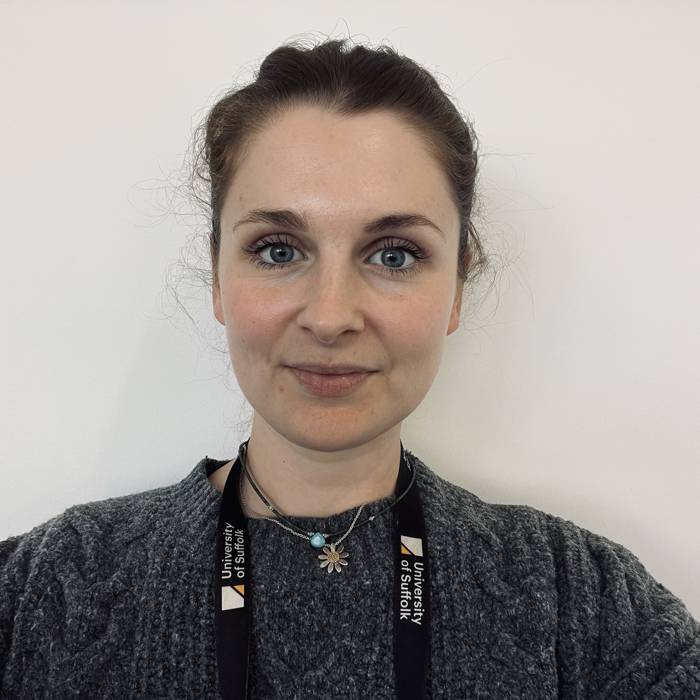
Parkinson’s Disease is a progressive neurological disorder affecting around 166,000 people in the UK. It is characterised by a significant reduction in dopamine production that in turn causes impairments across several motor and non-motor functioning. A 2025 review indicated that singing may benefit certain aspects of speech production in those affected, and in the last decade, a collection of research studies has explored the role of singing specifically in symptom management of Parkinson’s. Join Dr Abigail Webb, as she brings together evidence to date of the impact of singing for people living with Parkinson’s.