After The Session: Games & Gadgets: Unlocking Vocal Skills Through Movement and Play🎤✨
Tuesday 15th September 2026
Voice Study Centre
Games & Gadgets: Unlocking Vocal Skills Through Movement and Play 🎤✨
Vocal technique isn't just about standing still in front of a piano and doing scales - it's an interactive, whole-body experience! In a fantastic workshop hosted by the Voice Study Centre, Naomi Lewandoski (Northside Voice Studio, Australia) led us through an engaging session on how physical movement, somatic awareness, and everyday "gadgets" can transform vocal training.
Here is a summary of what we learned from Naomi's session, including key takeaways and practical tools you can start using in your studio or personal practice today!
🧠 Why Play and Movement Work
Naomi emphasized that the voice is a whole-body instrument. How we hold our posture, manage our emotions, and move directly impacts how our vocal folds vibrate and how our tone responds.
Key pedagogical insights shared:
- Awareness Creates Choice, Choice Creates Change: Giving singers tangible, sensory experiences helps them discover new coordinations effortlessly.
- The Power of Play: Task-focused, playful instruction lowers performance anxiety and interrupts old, ingrained vocal habits, fostering natural curiosity and self-problem solving.
- Exploration to Retention: Gadgets act as a stepping stone during initial exploration. The goal is to gradually embed the physical feeling so the singer can retain the vocal skill without relying on the tool.
🧘 1. Movement, Alignment, and Posture
Before diving into singing, Naomi guided a whole-body warm-up designed to release tension and center students:
- Whole-Body Warm-Up: Soft neck turns, collarbone stretches with gentle head lifts, and side-rib stretches ("teapot" or stretching between two panes of glass) to open up the torso.
- Rag Doll Twists & Calming Box Breath: Softening the knees and swinging the arms loosens the intercostals, while box breathing (in 4, hold 4, out 4, hold 4) grounds nervous energy.
- Pilates Ball (Large): Bouncing or gently rolling on a large exercise ball engages core/lower abdominal stabilizers. This dynamic balance frees up the upper thoracic area and neck. Rolling over the ball on all fours allows singers to feel a true 360-degree breath expands through their front and back.
- Wobble Boards & Spongy Mats: Standing on unstable surfaces forces the body to make micro-adjustments in posture, shifting focus away from overthinking high notes or locking the knees.
🌬️ 2. Airflow, Breath Regulation, and SOVTs
Managing breath isn't about pushing hard; it’s about flow over force. Naomi introduced several fun, visually engaging gadgets to demonstrate airflow and semi-occluded vocal tract (SOVT) concepts:
- Stretchy Resistance Bands:
- Pulling gentle tension on a band while sliding through registers or singing long phrases helps singers connect with their lower support, glide over register breaks, and sing to the end of a phrase.
- Pulling bands apart in a "motorbike stance" works wonders for grounding power notes and belt quality!
- Magic Ball Blowers: Keeping a lightweight foam ball suspended in the air requires a strong, steady stream of air. This is ideal for under-energized singers who need to wake up their support muscles.
- Bubbles: Blowing gentle bubbles while humming (or singing phrases!) teaches students how to maintain a continuous, smooth airflow without over-blowing or forcing the air.
- Kazoos & Straw Phonation: Kazoos and straws length the vocal tract, providing back-pressure (acoustic energy reflected back to the vocal folds). This helps the vocal folds vibrate more efficiently and gently - acting like a massage for the voice!
- Hoberman Sphere & Scented Candles: Expanding and contracting a Hoberman sphere visually mimics 360-degree lung expansion and trains long, controlled exhalations. Meanwhile, imagining "wafting" in the scent of a candle encourages soft, unhurried i
- Inhalations that keep the vocal folds relaxed.
👅 3. Articulation & Jaw Release
To bridge clear communication with the listener, our articulators (tongue, jaw, lips) must be flexible:
- Tongue Twisters ("Yella Gella"): Singing repetitive patterns while isolating tongue movement keeps the jaw from over-working.
- Tongue Cleaners & Massages: Gently scraping the teeth with the tongue or massaging under the chin releases deep-seated tongue tension.
- The Straw-Under-Lip Trick: Holding a straw gently under the bottom lip while sticking the tongue out relaxes the tongue root, making room for clean vowel shapes.
🎨 4. Resonance, Expression, and Playful Performance
To round out the session, Naomi showed us how sensory tools can ignite artistic communication:
- Toilet Paper Tubes & Cut Cups: Placing a toilet roll or a plastic cup with a hole over the mouth provides acoustic feedback and forces singers to open up their oral cavity ("letterbox" mouth release), instantly boosting resonance. Plus, cup phonation muffles sound so singers can practice loudly in hotel rooms or apartments!
- Ribbon Phonation: Gliding a silky ribbon between "scissor fingers" away from the mouth gives a visual and tactile feel to legato phrasing and smooth tone delivery.
- Texture & Emotion Games: Holding scrunchy tinfoil, popping bubble wrap, or holding soft fabrics while singing directly influences vocal color and intensity. Pulling random emotion cards (e.g., singing Somewhere Over the Rainbow "scared" or "proud") builds performance flexibility so singers feel prepared for anything!
💡 Final Takeaway
Gadgets aren't just tricks - they are powerful tools that activate curiosity, shift focus away from self-consciousness, and build lasting kinaesthetic awareness.
A huge thank you to Naomi Lewandoski for an inspiring, practical, and incredibly fun session! 👏✨
Recent Posts
Student & Alumni News
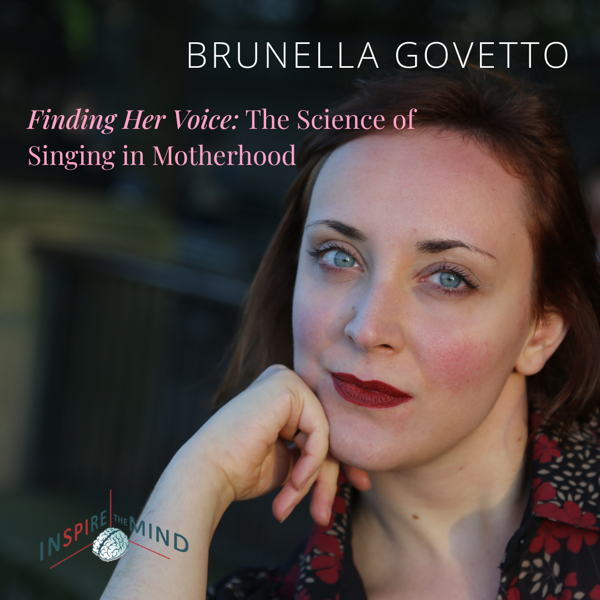
Alumna Brunella Govetto Writes for Inspire the Mind on Singing and Motherhood
Voice Study Centre
Monday 28th September 2026Voice Study Centre alumna Brunella Govetto has written a new article for the Inspire the Mind blog, drawing on her thesis work and experience of working with singing and mothers.
Read More...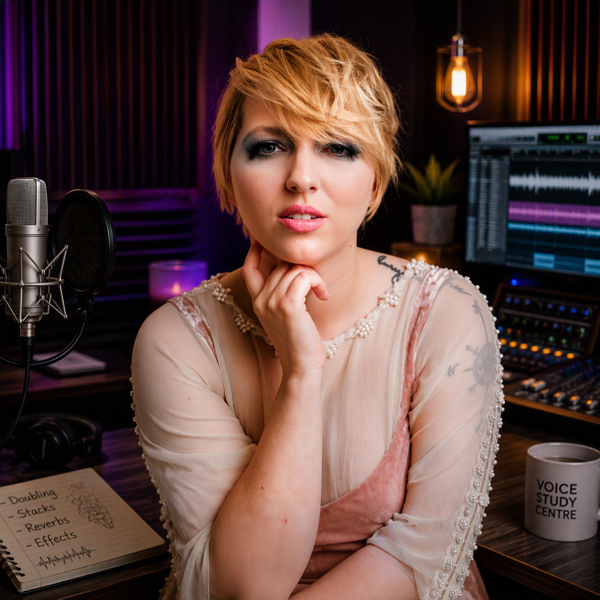
After The Session
After The Session: Doubles and Stacks, Reverbs and Effects: Teaching Vocal Production Skills
Voice Study Centre
Wednesday 23rd September 2026For many vocalists and voice teachers, the world of digital audio workstations (DAWs), hardware, and studio processing can feel like forbidden territory. Yesterday, Voice Study Centre hosted a hands-on, practical short course led by Kelly Hoppenjans (voice teacher, and PhD candidate in musicology at the University of Michigan), designed specifically to break down these technological barriers and empower singers to approach vocal production creatively, playfully, and confidently - so what did we learn?
Read More...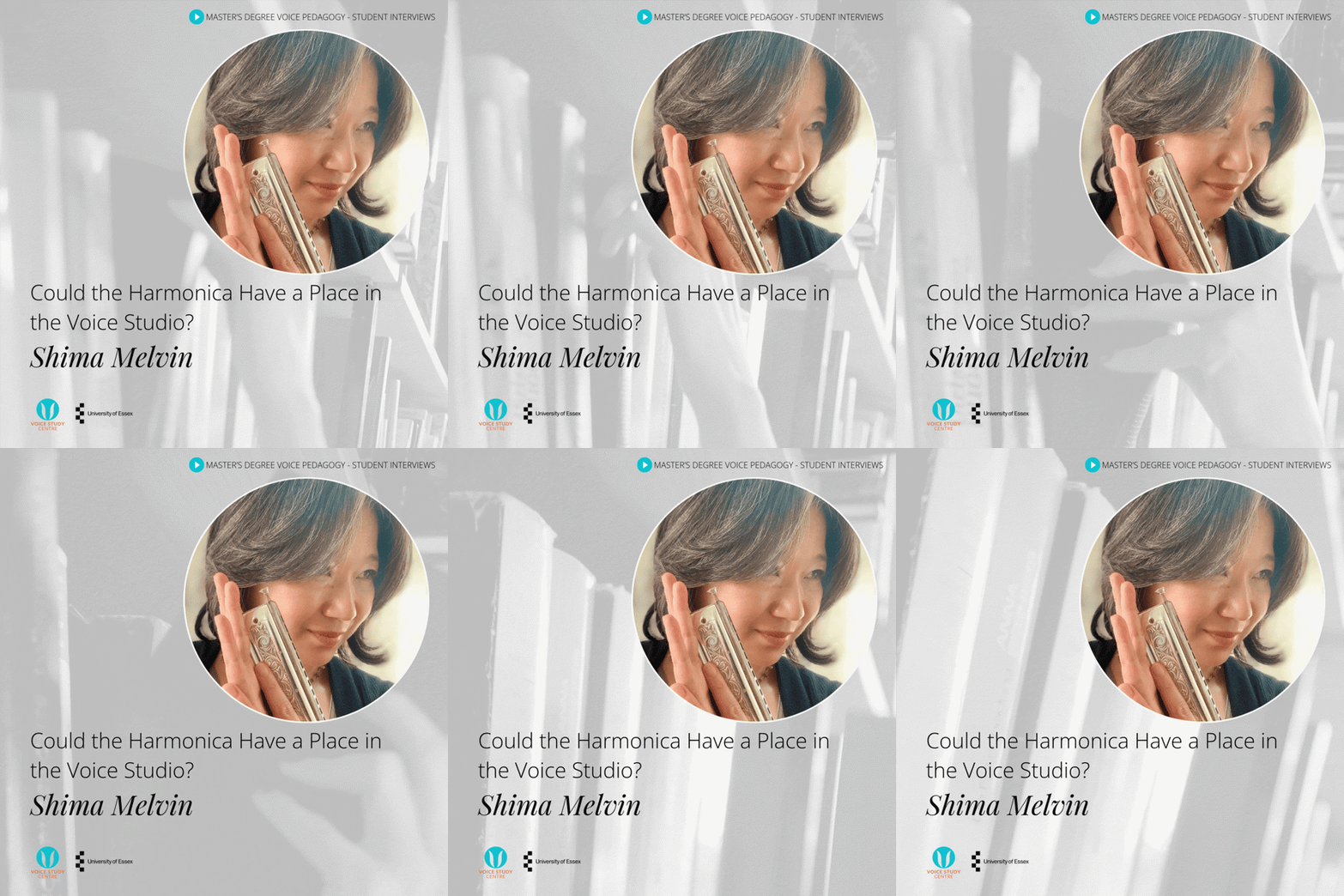
Student Interviews
Could a Harmonica Have a Place in the Voice Studio?
Voice Study Centre
Tuesday 8th September 2026What does a harmonica have to do with the human voice? For harmonica performer and music educator Shima Melvin, this question became the starting point for her postgraduate research with the Voice Study Centre. While developing her approach to teaching harmonica, Shima found herself struggling to explain exactly what was happening inside the instrument when she played. The mechanics of the harmonica were, in a sense, invisible.
Read More...