After the Session: Musical Theatre Singing Pedagogy with Amanda Flynn
Wednesday 14th October 2026
Voice Study Centre
What makes musical theatre singing different from other forms of vocal performance? And how can teachers help singers develop the flexibility, efficiency and stylistic versatility needed for a demanding professional career?
In her recent Voice Study Centre short course, Musical Theatre Singing Pedagogy, Amanda explored the relationship between vocal function and style, offering practical insights into how teachers can better prepare singers for the realities of musical theatre performance.
Function first, style second
A central theme of the session was the importance of understanding the difference between vocal function and vocal style. Function relates to the physiological coordination of the voice, while style concerns how that function is presented through qualities such as tone, phrasing, dynamics, vowel choices and vocal effects.
Amanda introduced the principle of “lead with function, follow with style”, highlighting the importance of developing efficient, sustainable vocal coordination before refining stylistic choices. This is particularly relevant to musical theatre performers, who may need to sing eight shows a week while navigating different genres, characters and physical demands.
Exploring the “big three”
The session examined three important areas of musical theatre singing: legit, belting and mixing. Amanda explored how these approaches differ functionally and stylistically, using listening examples and practical demonstrations to help participants recognise the range of sounds singers may need to produce.
She also challenged common assumptions about vocal registration, emphasising that a singer’s vocal function should be assessed individually rather than determined by gender. By focusing on what a voice can do, what the singer wants to achieve and how their instrument responds, teachers can develop more inclusive and responsive approaches to vocal training.
Practical strategies for the voice studio
Alongside the theoretical content, Amanda demonstrated practical teaching strategies for developing vocal flexibility. These included using speaking voice as a starting point for singing, exploring humming and semi-occluded vocal tract exercises (SOVTs), and helping singers move between vocal registers before focusing on making transitions smooth.
Another important takeaway was the value of approaching students with “celebrations and curiosities”: recognising what a singer already does well while remaining curious about areas that may need further exploration. This encourages a more balanced, student-centred approach, rather than focusing solely on perceived weaknesses.
Ultimately, the session highlighted that effective musical theatre training is about giving singers the tools to adapt. By developing functional flexibility, understanding stylistic demands and recognising each singer’s individual needs, teachers can better prepare performers for the varied and challenging demands of the stage.
Explore upcoming short courses with Voice Study Centre to continue developing your knowledge and practice in voice pedagogy.
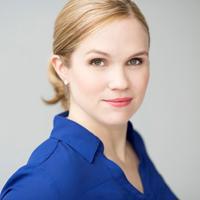
Amanda Flynn
Amanda is an Assistant Professor and Program Head of Musical Theatre at Pace University and is the owner of a private studio working with professional singers.
Recent Posts
Student Interviews
Before We Change: Practicing Presence in Vocal Transformation
Voice Study Centre
Wednesday 14th October 2026Just because we can change a singer’s voice doesn’t necessarily mean we should. For Voice Study Centre MA student Chris Harbison Borgelt, meaningful voice teaching begins with a different question: who is the change really for?
Read More...
After The Session
After The Session: Inspired Not Bound: The Promise of Science-Informed Voice Pedagogy
Voice Study Centre
Wednesday 7th October 2026Yesterday, Voice Study Centre hosted Lynn Helding, Professor of Practice in Vocal Arts and Opera and Coordinator of Vocology and Voice Pedagogy at the USC Thornton School of Music. Her presentation was a compelling exploration into the relationship between voice science and vocal art. Titled "Inspired Not Bound: The Promise of Science-Informed Voice Pedagogy," the session tackled a question that has lingered for over 170 years: If voice science is so rich and transformative, why hasn't it been more fully adopted across all voice studios?
Read More...
After The Session
After the Session: Working with Muscle Tension Dysphonia with Dr Claire Thomas
Voice Study Centre
Monday 5th October 2026How can singing teachers support singers experiencing muscle tension dysphonia (MTD), particularly when they are returning to singing after voice therapy? In this practical short course, Dr Claire Thomas explored how teachers can help singers rebuild efficient vocal coordination, return to performance demands and reduce the risk of recurring difficulties.
Read More...