How the MA Voice Pedagogy helped Blue Cain build a career as a singing teacher
Wednesday 5th August 2026
Voice Study Centre
When Blue Cain joined the MA Voice Pedagogy, they weren't an established singing teacher. They had discovered a passion for voice through voluntary vocal coaching but wanted the confidence, knowledge and professional foundations to build a career. Today, their income comes entirely from singing and teaching, and they're continuing to grow their practice through new teaching opportunities.
In this interview, Blue reflects on their journey from aspiring practitioner to professional singing teacher, sharing how the MA helped them build confidence, develop their teaching practice, and shape their future career. They also discuss studying with ADHD and autism, the support they received throughout the programme, and their dissertation exploring the lived experiences of transmasculine singers.
Blue's story is a reminder that the MA Voice Pedagogy isn't only for established voice professionals looking to refine an existing practice. It can also provide the knowledge, confidence and support to help passionate aspiring practitioners build one.
Watch the full interview below:

Recent Posts
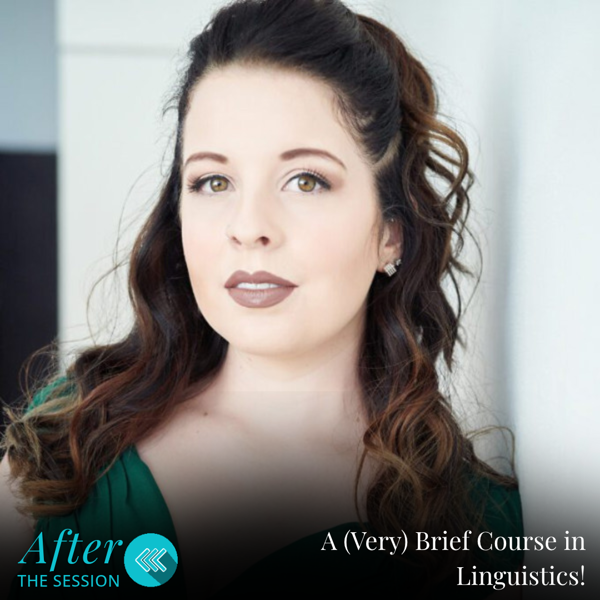
After The Session
After The Session: A (Very) Brief Course in Linguistics! with Miranda Guettlein
Voice Study Centre
Wednesday 18th November 2026A recap of our introductory linguistics course for voice teachers, speech practitioners, actors and dialect coaches, led by Miranda Guettlein, linguist, dialect coach and editor of the Voice and Speech Review.
Read More...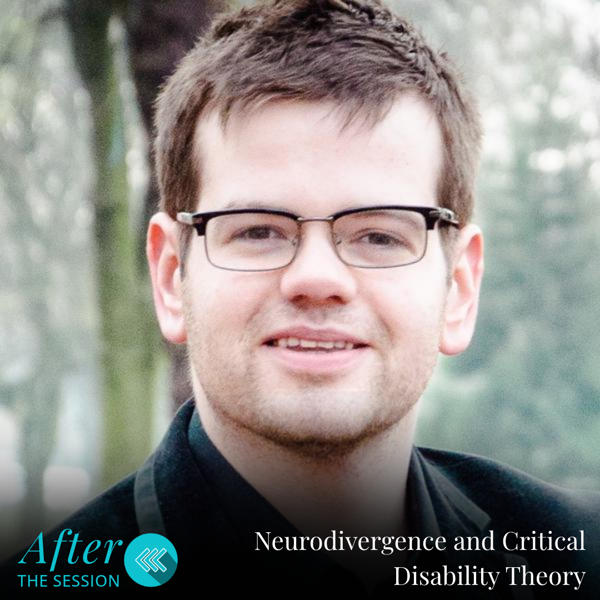
After The Session
After The Session: Neurodivergence and Critical Disability Theory with Dr David Cane
Voice Study Centre
Monday 9th November 2026A recap of our session with Dr David Cane, Senior Lecturer on the Voice Study Centre MA in Voice Pedagogy, on disability and neurodivergence within the voice teaching studio. When we talk about disability and neurodivergence in voice teaching, the first thing that comes to mind is often a single question: what do I do if a disabled or neurodivergent student walks into my studio? In this session, Dr David Cane invited us to think much bigger. The teacher might be disabled or neurodivergent. So might a choir director or a colleague. The songs we teach may depict or use disability as a metaphor. Even the foundational texts of voice pedagogy carry assumptions about bodies and voices. This was a densely theoretical tour, and David was open about that. His argument was that the most important work is not a checklist of practical tips, but a rethink of what we believe teaching is for. Here are the main threads.
Read More...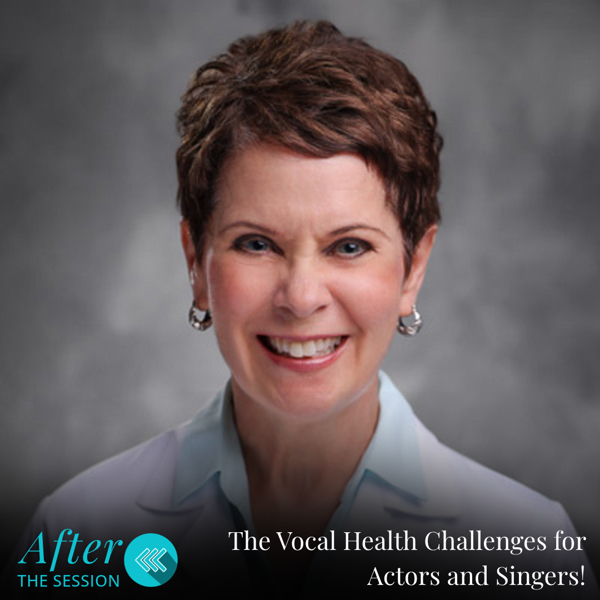
After The Session
After The Session: The Vocal Health Challenges for Actors and Singers with Leda Scearce
Voice Study Centre
Wednesday 4th November 2026A recap of our two-part course with Leda Scearce, singing voice specialist and speech-language pathologist at Duke Voice Care Center in North Carolina. Over two afternoons, Leda Scearce took our community on a deep dive into the voice as a high-performance instrument. A former professional opera singer who taught at several universities before retraining as a speech-language pathologist, Leda now works with singers and other performers who have voice injuries. Her message across both days was clear: singers and actors are vocal athletes, and voice teachers are on the front lines of their vocal health. Here are the highlights from both sessions. Please note that this is a summary of a teaching session, not medical advice. If you or a student have a voice concern, see a qualified voice specialist.
Read More...