After The Session: Common Medical Diagnoses and Treatments in Voice Patients
Friday 4th September 2026
Voice Study Centre
Yesterday's two-hour session gave us deep insights into the diagnosis, medical care, and surgical management of voice patients. Here are just a few key points from a packed presentation!
Introduction
- Defining the "Voice Professional": Voice care extends far beyond opera stars. A voice professional includes anyone whose livelihood depends on an effective and pleasing voice - teachers, solicitors, sports coaches, secretaries, and sales personnel.
- Comprehensive Examination is Essential: Evaluating voice issues requires more than a quick 20-second mirror check. Comprehensive strobovideolaryngoscopy typically takes 5 to 6 minutes to reveal subtle issues like mild vocal fold weakness (paresis) that only show up under fatigue.
- The Multidisciplinary Voice Team: Optimal patient care requires a team approach including laryngologists, speech-language pathologists (or phoniatrists), singing and acting voice specialists, and related medical professionals in endocrinology, gastroenterology, and neurology. Most importantly, the patient is an active decision-maker on their own team.
Understanding Common Conditions & Technical Pitfalls:
- Laryngopharyngeal Reflux (LPR): LPR is present in over 80% of patients with vocal fold injuries. Unlike standard GERD, LPR rarely presents with typical heartburn or stomach pain because the distal oesophagus becomes desensitized over time. Instead, stomach acid bathes the delicate laryngeal tissues, acting as a chronic irritant that preps the vocal folds for cysts, scars, and nodules while drastically slowing down natural healing. Common symptoms include taking up to two hours to warm up, chronic throat clearing, and excess phlegm. While lifestyle changes, diet, and medications suppress acidity, surgery (like a fundoplication) may be required to fix the underlying mechanical issue of a failing sphincter.
- Asthma and ARIAS: Unrecognized exercise-induced asthma is remarkably common, even among elite vocalists. Dr. Sataloff highlighted "Airway Reactivity Induced Asthma in Singers" (ARIAS), where airway drying during the heavy exercise of singing causes lung function to drop significantly. Performers often compensate for this loss of respiratory power by overworking their neck, jaw, and tongue muscles - leading to muscle tension dysphonia, vocal fatigue, and secondary injuries. Once the underlying asthma is properly diagnosed and treated, these technical tension problems frequently disappear.
- Medication & Environmental Risks: Over-the-counter cold remedies and pain relievers present hidden hazards. Aspirin thins the blood by impairing platelet function for 7 to 10 days, exponentially increasing the risk of a career-threatening vocal fold haemorrhage. NSAIDs like ibuprofen also thin the blood for their half-life. The risk of haemorrhage is especially high for premenstrual women taking pain medicine for cramps, due to heightened blood vessel fragility and impaired physical support. Additionally, environmental hazards on stage - such as old, dusty theatre curtains or irritating glycol and oil-based (lipoid) stage fogs - can deposit harmful particulate matter directly onto the vocal folds or cause long-term pulmonary damage.
- Hormonal Influences: The voice is exquisitely sensitive to sex hormones throughout a person's life. Oestrogen maintains tissue health, and a drop in oestrogen during menopause leaves an androgen (male hormone) predominance, which can cause the female voice to drop, thin, or lose stability. Proactive oestrogen replacement therapy can prevent these menopausal voice changes. Conversely, exposure to anabolic steroids, testosterone, or androgen-containing medications (including certain birth control pills or endometriosis treatments) can cause permanent lowering and thickening of the female vocal folds.
Principles of Surgical Management:
Surgery is rarely the first step; it is reserved for when vocal therapy has plateaued or when there is a significant structural lesion. Precision techniques - such as mini-micro flap procedures or fat-implantations - aim to preserve or restore the natural mucosal wave without creating scarring on the vocal ligament.
Through dedicated multidisciplinary care, thorough diagnostic evaluations, and sound vocal hygiene, performers can safely navigate injuries and maintain a healthy voice throughout their careers!
Recent Posts

After The Session
After The Session: Inspired Not Bound: The Promise of Science-Informed Voice Pedagogy
Voice Study Centre
Wednesday 7th October 2026Yesterday, Voice Study Centre hosted Lynn Helding, Professor of Practice in Vocal Arts and Opera and Coordinator of Vocology and Voice Pedagogy at the USC Thornton School of Music. Her presentation was a compelling exploration into the relationship between voice science and vocal art. Titled "Inspired Not Bound: The Promise of Science-Informed Voice Pedagogy," the session tackled a question that has lingered for over 170 years: If voice science is so rich and transformative, why hasn't it been more fully adopted across all voice studios?
Read More...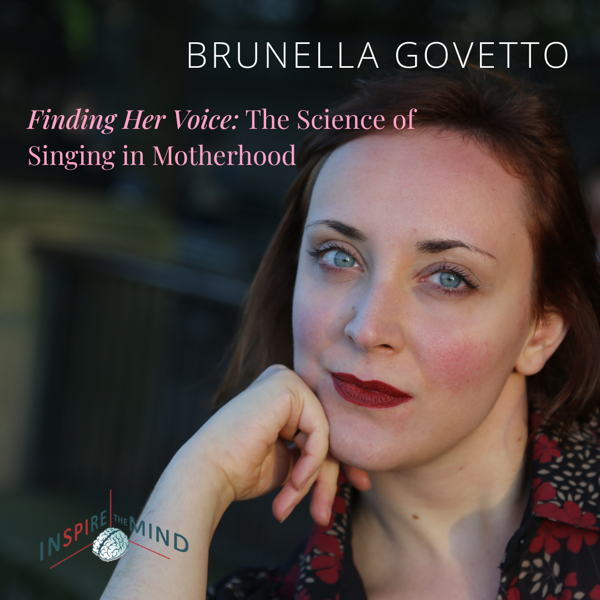
Student & Alumni News
Alumna Brunella Govetto Writes for Inspire the Mind on Singing and Motherhood
Voice Study Centre
Monday 28th September 2026Voice Study Centre alumna Brunella Govetto has written a new article for the Inspire the Mind blog, drawing on her thesis work and experience of working with singing and mothers.
Read More...
After The Session
After The Session: Doubles and Stacks, Reverbs and Effects: Teaching Vocal Production Skills
Voice Study Centre
Wednesday 23rd September 2026For many vocalists and voice teachers, the world of digital audio workstations (DAWs), hardware, and studio processing can feel like forbidden territory. Yesterday, Voice Study Centre hosted a hands-on, practical short course led by Kelly Hoppenjans (voice teacher, and PhD candidate in musicology at the University of Michigan), designed specifically to break down these technological barriers and empower singers to approach vocal production creatively, playfully, and confidently - so what did we learn?
Read More...