Music Performance Anxiety affects approximately 15-25% of professional musicians (Fishbein et al., 1988), however due to negative mental health connotations, it is a condition that seems to be swept under the carpet, even at the most prestigious conservatoires.
It is possible to address MPA outside of a clinical setting, which provides encouragement for the condition to be given more recognition amongst music schools and private teaching.
With this in mind, it could fall to the teacher to recognise the symptoms and aid their students in developing skills that help them to cope with MPA.
Symptoms of MPA often manifest in various forms such as; cognitive, physiological and behavioural traits, all of which can be damaging to performance quality and mental health, if left untreated.
Cognitive Behavioural Therapy (CBT) has been strongly evidenced among researchers as the preferred practice in treating MPA, however, this requires access to practitioners who are qualified.
Acceptance and Commitment Therapy (ACT) is a promising treatment for MPA, it is an evidence-based psychotherapy that aims to promote mindfulness and acceptance, with the ability to assist in enhancing performance and health.
ACT can be implemented by the teacher themselves in a non-clinical setting, when applied non-clinically it is called Acceptance and Commitment Training or Coaching (ACC).
When used by a skilled coach, ACC can be a highly effective tool for treating MPA, as well as building trust and relationship with students.

Dr David Juncos
David Juncos, PsyD, is a clinical psychologist, lecturer, performance coach, author, and music performance researcher based in Philadelphia, PA. He has 20 years of experience in treating a variety of clinical problems, including anxiety, mood, and substance use disorders.
Recent Posts
Student & Alumni News
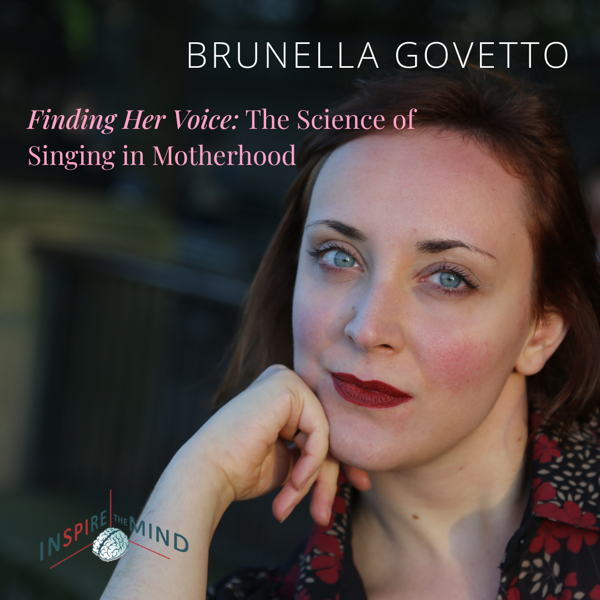
Alumna Brunella Govetto Writes for Inspire the Mind on Singing and Motherhood

Voice Study Centre
Monday 28th September 2026Voice Study Centre alumna Brunella Govetto has written a new article for the Inspire the Mind blog, drawing on her thesis work and experience of working with singing and mothers.
Read More...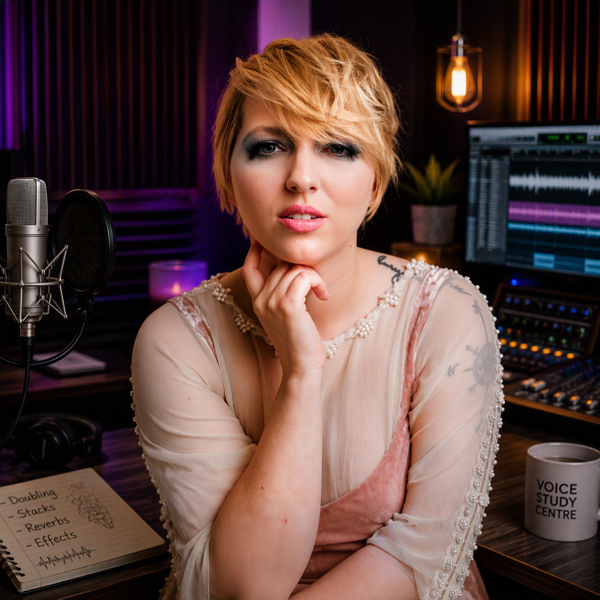
After The Session
After The Session: Doubles and Stacks, Reverbs and Effects: Teaching Vocal Production Skills
Voice Study Centre
Wednesday 23rd September 2026For many vocalists and voice teachers, the world of digital audio workstations (DAWs), hardware, and studio processing can feel like forbidden territory. Yesterday, Voice Study Centre hosted a hands-on, practical short course led by Kelly Hoppenjans (voice teacher, and PhD candidate in musicology at the University of Michigan), designed specifically to break down these technological barriers and empower singers to approach vocal production creatively, playfully, and confidently - so what did we learn?
Read More...
After The Session
After The Session: Games & Gadgets: Unlocking Vocal Skills Through Movement and Play🎤✨
Voice Study Centre
Tuesday 15th September 2026Vocal technique isn't just about standing still in front of a piano and doing scales - it's an interactive, whole-body experience! In a fantastic workshop hosted by the Voice Study Centre today, Naomi Lewandoski (Northside Voice Studio, Australia) led us through an engaging session on how physical movement, somatic awareness, and everyday "gadgets" can transform vocal training.
Read More...