Acoustics in the Voice Studio
Tuesday 31st October 2023, 5:00 PM - 7:00 PM (London Time)
For many voice teachers and practitioners, acoustics presents an intriguing yet elusive concept. We come across it, read about it and harbour curiosity, but frequently, the terminology and definitions become excessively technical and complex to understand. Because of this, many put acoustics books in their 'for later' pile and skim over acoustics research.
The aim of this course is to give you the fundamentals of acoustics so you can understand and apply these concepts to your teaching or research, in an absolute beginner friendly way.
We will begin with an overview of how understanding acoustics can benefit singers and voice practitioners. Then we will move on to exploring aspects of sound — waves, pitch, frequency, amplitude, wavelength, resonance, and harmonics. We will briefly delve into human hearing and its relevance to our voice before moving on to how sound behaves in enclosed spaces, whether it is a spacious hall or a compact vocal tract. Finally, we will look at how data from acoustic software can be interpreted in real-life situations. At the end, you will have the chance to ask all your questions about potential applications to your teaching practice or research ideas.
This course will cut through the complexity and demystify the jargon, explain how acoustics can be useful for practitioners, and help you determine potential applications for student success. Upon completing this course, you will not only hold an understanding of acoustics but also possess the knowledge to identify potential applications that pave the way for student success.
Attend both Jan Svec's Basics of Voice Acoustics for Voice Pedagogues and Gökçe Kutsal's Acoustics in the Voice Studio and save £10!
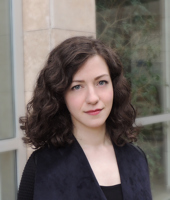
Gokce Kutsal
Gokce Kutsal is an experienced interior architect, acoustics designer and musician; her blended background has provided Gökçe with high proficiency as an acoustician...
Attend this course for as little as £22 as part of the Voice Professional Training CPD Award Scheme.
Learn MoreSorry, this is an archived short course...
We have plenty of upcoming short courses coming soon. See details of some of them below or look at the full list of short courses.

Tuesday 27th October 2026
5:00 PM - 7:00 PM
(London Time)
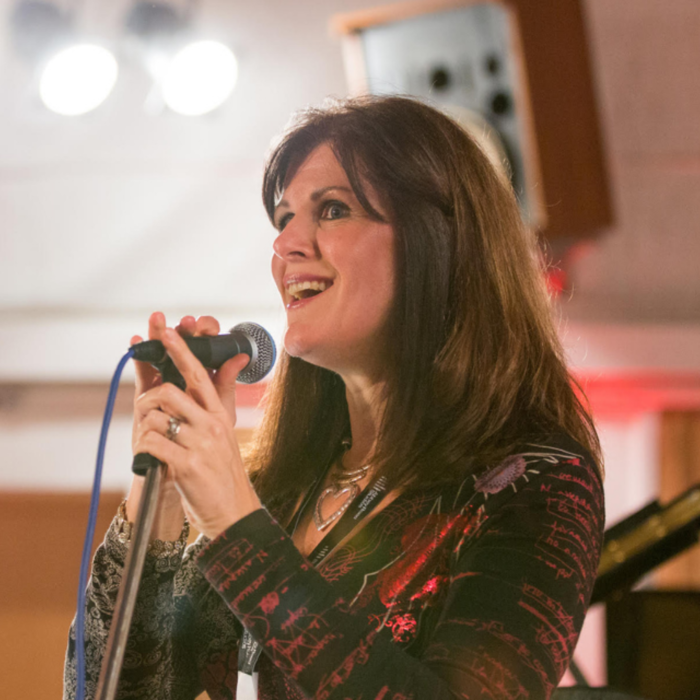
Pop Pedagogy - an Overview

Kim Chandler
Some successful pop stars are celebrating career lengths of over sixty years, having been around since the 1950s when pop music emerged and diversified from jazz, so pop singing has been in existence sufficiently long now that, for teaching purposes, we can observe and analyse what type of approach serves it best.
Friday 30th October 2026
3:00 PM - 5:00 PM
(London Time)
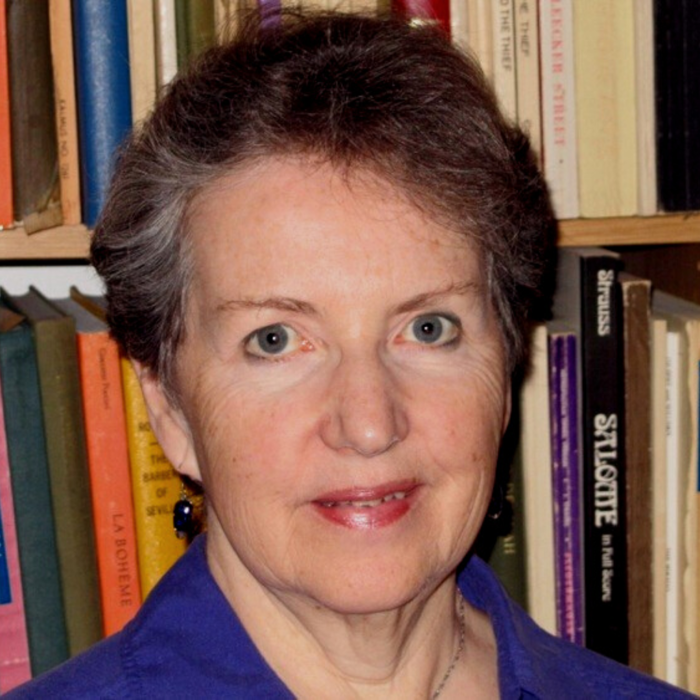
Feldenkrais Method® - its application in speech and song!

Marina Gilman
The Feldenkrais Method® is a form of somatic education that uses gentle movement and directed attention to improve physical and mental functioning, including singing and speaking. Since we are not always aware of the source of tension or discoordination, it is difficult to make the necessary adjustments to ensure optimal use of the voice!

Monday 2nd November 2026
5:00 PM - 7:00 PM
Tuesday 3rd November 2026
5:00 PM - 7:00 PM
(London Time)
The Vocal Health Challenges for Actors and Singers!

Leda Scearce
Two part course! Vocal health principles are inextricably and symbiotically linked with singing and acting voice pedagogy: Good vocal health allows the singer and actor to more easily and effectively achieve their technical and artistic goals, and good teaching reinforces vocal technique that diminishes the risk of vocal injury. We now also recognize the necessity for singers and actors to understand how their instruments work, how to take care of their voices, and what to do when something goes wrong. Singing and acting teachers are indeed on the front lines of vocal health!