Breathing Is Meaning – Fitzmaurice Voicework® and Speaking Voice Clients
Wednesday 21st January 2026, 2:00 PM - 4:00 PM (London Time)
Fitzmaurice Voicework is a global leader in voice training for performance, with certified teachers of the work around the world. In her seminal article “Breathing Is Meaning,” Catherine Fitzmaurice charts her development of the approach for actors to address vocal flexibility, strength, authenticity, and ease. The work has since been studied or applied in other areas including public presentation, developing creative work, reducing performance anxiety, speech training, and cognitive function.
The course invites participants to engage in introductory Fitzmaurice Voicework practices and exercises.
The four core elements of Fitzmaurice Voicework—Destructuring, Restructuring, Presence, and Play—provide opportunities to explore the interplay of breathing, body awareness, and voice through movement and somatosensory exercises designed to both release excess muscular tensions and strengthen spoken communication.
Destructuring connects breath with somatosensory awareness and physical effort in a spontaneous, moment to moment way. Destructuring implements modified yoga and other dynamic positions that change how and where the body moves to breathe. Intentionally produced “tremors” or shaking in the extremities (arms and legs) are also introduced to explore breath and somatosensory responses. Depending on individual choice, the practice of Destructuring can range from gentle to vigorous. It creates opportunities to explore spontaneity by allowing the breath to follow the changing demands of various positions and movements, among other potential benefits.
Restructuring proceeds from the “free breathing” practice of Destructuring into patterning the breath through impulse, movement, and muscular use (breath support/management) to vocalize in ways that balance ease, energy, and focus. Restructuring supports a wide range of voice, speech, textual, and professional presentation demands. Restructuring also aims to unite speaker, listener, and environment in an ongoing communication loop.
The somatosensory aspects of De- and Restructuring practices contribute to a sense of Presence that centers and grounds the speaker. Practicing FV also benefits both student/client and instructor, opening the way for more effective, empathetic communication. Play encourages adapting elements of the approach to suit individual, practical, and artistic choices, while serving as an effective teaching modality.
🏷️ Price £30 (UK VAT inclusive)
🎥 Recording automatically sent to all who book (even if you cannot attend live)
▶️ Rewatch as many times as you like
📜 Certificate of attendance available

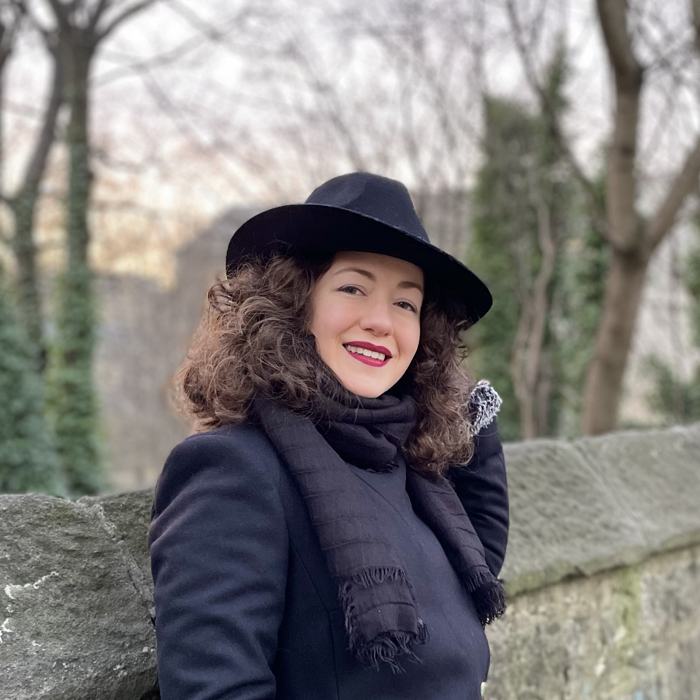
Lynn Watson
Lynn Watson (she/her) is a voice, speech, and dialect specialist and has coached Oscar, Tony, and Emmy winning actors. She is a Lifetime Distinguished Member of the Voice and Speech Trainers Association (VASTA) and Director of Research Studies at the Fitzmaurice Voice Institute.

Attend this course for as little as £22 as part of the Voice Professional Training CPD Award Scheme.
Learn MoreSorry, this is an archived short course...
We have plenty of upcoming short courses coming soon. See details of some of them below or look at the full list of short courses.

Monday 19th October 2026
2:00 PM - 4:00 PM
Tuesday 20th October 2026
2:00 PM - 4:00 PM
(London Time)
Introduction to Vocal Acoustics for Spoken and Sung Voice

Gökçe Kutsal
This course is designed to break down the fundamentals of acoustics for both spoken and sung voice in a beginner-friendly, accessible way — so you can easily understand and apply these concepts to your teaching or research.

Tuesday 20th October 2026
5:00 PM - 7:00 PM
(London Time)
Practical Magic*: The Art & Science of Balancing Voices with SOVTs and VFEs

Melanie Tapson
Through live demonstrations, group practice, and peer coaching, you’ll learn how to teach SOVTs and VFEs with clarity and precision, integrate their principles to support vocal health, recovery, and stylistic flexibility and troubleshoot challenges and adapt exercises for individualized results.
Tuesday 27th October 2026
5:00 PM - 7:00 PM
(London Time)
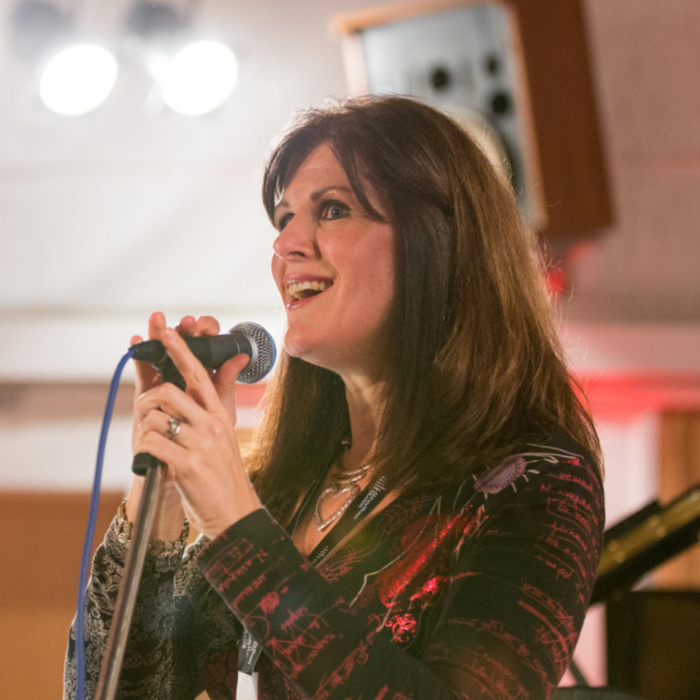
Pop Pedagogy - an Overview

Kim Chandler
Some successful pop stars are celebrating career lengths of over sixty years, having been around since the 1950s when pop music emerged and diversified from jazz, so pop singing has been in existence sufficiently long now that, for teaching purposes, we can observe and analyse what type of approach serves it best.