Learning together: group singing and choral pedagogy
Friday 12th June 2026, 3:00 PM - 5:00 PM (London Time)
Learning together: group singing and choral pedagogy
The benefits of group singing are well documented and well known. Singing together can foster a sense of social connection and community as well enhancing wellbeing and mood. However, group singing is not only a shared cultural and artistic experience, but can also be a powerful site of learning.
While many of the developments in voice pedagogy have tended to centre around the one-to-one model of teaching, this course explores the pedagogical (and potentially the political) potential of teaching and learning to sing collectively.
In this course, we will explore practical strategies for leading vocal work in choirs and in workshops alongside a critical reflection of the challenges (and exciting possibilities) inherent within group teaching and learning. We will discuss balancing individual and collective needs, working with diverse voices and life experiences, and fostering inclusive and responsive learning environments.
The course will be of particular interest to choir leaders, singing workshop facilitators, and anyone looking to expand their singing voice teaching practice beyond the one-to-one studio.
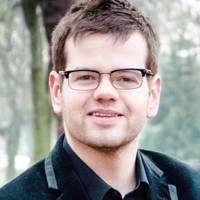
Dr David Cane
Dr. David Cane is a Lecturer with expertise in musicology, qualitative and quantitative research design, disability studies, and postgraduate supervision. He plays a central role in research methods teaching and dissertation supervision. David’s research interests include critical disability and queerness. David is a lecturer, researcher, singer, singing teacher and choir director.
Attend this course for as little as £22 as part of the Voice Professional Training CPD Award Scheme.
Learn MoreSorry, this is an archived short course...
We have plenty of upcoming short courses coming soon. See details of some of them below or look at the full list of short courses.


Tuesday 24th November 2026
5:00 PM - 7:00 PM
(London Time)
The Lemma Dilemma: Teaching Voice and Speech through a Linguistic Lens!

Ashleigh Reade
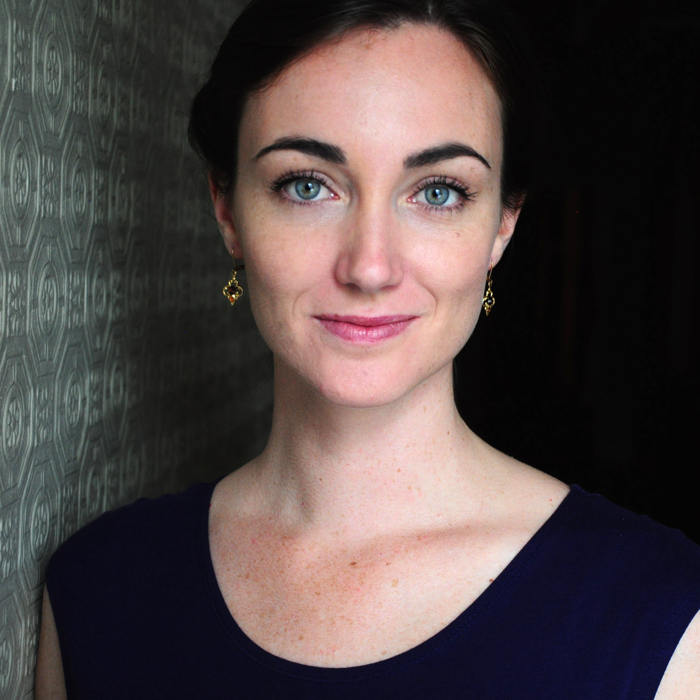
For voice and speech teachers, the importance of “the thought” is almost a given. Text comes to life when it is fueled by an external stimulus; we breathe in response to an image, a concept, a need we wish to express, then transmit that to our listener on the voice. In psycholinguistic models of speech processing and production, the lemma is the mental representation of a concept that contains both semantic and syntactic meaning, linking an idea to the sounds needed to express the idea. Join Ashleigh Reade as explores how to bridge the gap between actor and text, examining how psycholinguistics can support our voice and speech teaching.
Monday 30th November 2026
6:00 PM - 8:00 PM
(London Time)
Bringing Colour Theory into IPA Vowels!

Siobhan Doherty Buffett
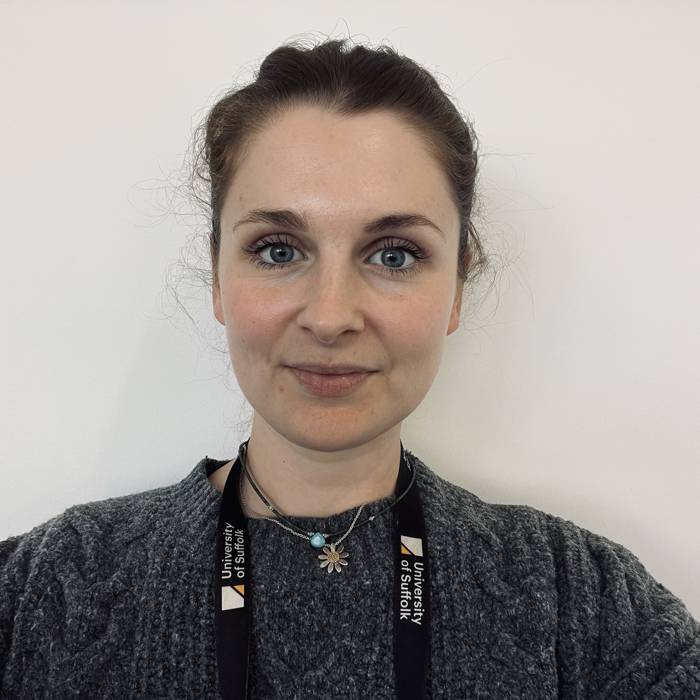
Step into a multi-sensory approach to phonetics with Siobhan Doherty Buffett, certified teacher of Knight-Thompson Speechwork™. In this engaging session, Siobhan introduces a new Colour Theory Map of the International Phonetic Alphabet (IPA) Vowel Chart - a visual tool designed to demystify complex phonetic concepts, deepen anatomical awareness, and transform how we teach and practice narrow transcription. Whether you are a voice teacher, speech-language pathologist, linguist, or performer, this interactive exploration offers a fresh, intuitive lens to help both you and your students visualize the subtle mechanics of vowel production!
Thursday 3rd December 2026
5:00 PM - 7:00 PM
(London Time)
Singing and Parkinson’s Disease: Overview of the Evidence to Date

Dr Abigail Webb
Parkinson’s Disease is a progressive neurological disorder affecting around 166,000 people in the UK. It is characterised by a significant reduction in dopamine production that in turn causes impairments across several motor and non-motor functioning. A 2025 review indicated that singing may benefit certain aspects of speech production in those affected, and in the last decade, a collection of research studies has explored the role of singing specifically in symptom management of Parkinson’s. Join Dr Abigail Webb, as she brings together evidence to date of the impact of singing for people living with Parkinson’s.