Compassion Focused Training: An Updated Course for Singers, Singing Teachers, and Other Music Professionals
Monday 26th January 2026, 5:00 PM - 7:00 PM (London Time)
Tuesday 27th January 2026, 5:00 PM - 7:00 PM (London Time)
Wednesday 28th January 2026, 5:00 PM - 7:00 PM (London Time)
During the 1980’s & 90’s, British psychologist Paul Gilbert & colleagues noticed a trend among certain patients who received Cognitive Behavioral Therapy for depression: they would berate themselves for not improving in their treatment, despite having put effort into it. This astute observation led him to believe the likely reason for their lack of progress was the patients’ relentlessly self-critical thinking styles, which not only contributed to the maintenance of their depression, but likely to its origin as well. What followed was the creation of a groundbreaking new therapy called Compassion Focused Therapy (CFT; Gilbert, 2000) that aimed to alleviate suffering by helping individuals with high shame and self-criticism to generate affiliative feelings towards themselves and a more compassionate inner voice. Rooted in evolutionary psychology, neuroscience, Buddhism, CBT, & social and developmental psychology, CFT asserts the human brain is actually quite tricky to navigate, and thus, it’s not our fault we find ourselves struggling or suffering with it, or with life’s inevitable stressors.
Since its inception, CFT and related therapy models, e.g., Kristin Neff and Christopher Germer’s Mindful Self-Compassion (2013), have received increasing empirical support as treatments for anxiety, depression, and stress. In recent years, compassion-based programs are starting to arise within non-clinical settings as well, e.g., with athletes, university students, and musicians, as tools for coping with similar psychological challenges. When used with athletes in particular, self-compassion is promoted as an alternative to “mental toughness,” as it helps to develop courage to face the inherent challenges within competitive sports. Although the role self-compassion plays in alleviating musicians’ psychological stressors is still under investigation, it is believed to benefit them in similar ways.
In this updated, three-part course, you will learn about the role shame and self-critical thinking play in maintaining psychological distress, and about the theoretical underpinnings of Gilbert’s CFT model and Neff & Germer’s model of self-compassion. You’ll also learn about the three emotion regulation systems, and specifically how to increase activity in the Soothing & Contentment system, which is known to create feelings of safeness within oneself & with others, when activated. Specifically, you’ll learn compassion-enhancing strategies to help manage common sources of stress for musicians, i.e., dealing with mistakes & negative feedback of one’s work, audition setbacks, perfectionistic concerns of one’s performance, coping with burnout, career uncertainty & transitions, and others.
🏷️ Price £150 (UK VAT inclusive)
🎥 Recording automatically sent to all who book (even if you cannot attend live)
▶️ Rewatch as many times as you like
📜 Certificate of attendance available

Dr David Juncos
David Juncos, PsyD, is a clinical psychologist, lecturer, performance coach, author, and music performance researcher based in Philadelphia, PA. He has 20 years of experience in treating a variety of clinical problems, including anxiety, mood, and substance use disorders.
Sorry, this is an archived short course...
We have plenty of upcoming short courses coming soon. See details of some of them below or look at the full list of short courses.

Tuesday 27th October 2026
5:00 PM - 7:00 PM
(London Time)
Pop Pedagogy - an Overview

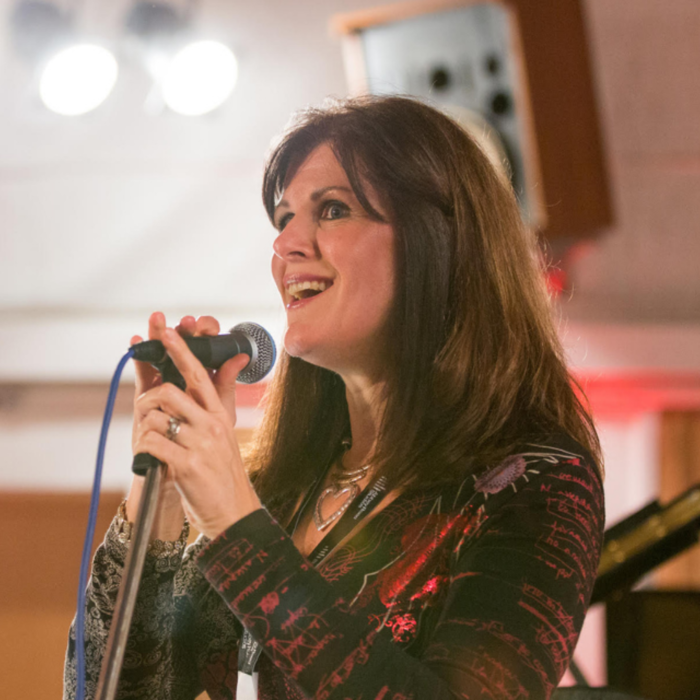
Kim Chandler
Some successful pop stars are celebrating career lengths of over sixty years, having been around since the 1950s when pop music emerged and diversified from jazz, so pop singing has been in existence sufficiently long now that, for teaching purposes, we can observe and analyse what type of approach serves it best.
Friday 30th October 2026
3:00 PM - 5:00 PM
(London Time)
Feldenkrais Method® - its application in speech and song!

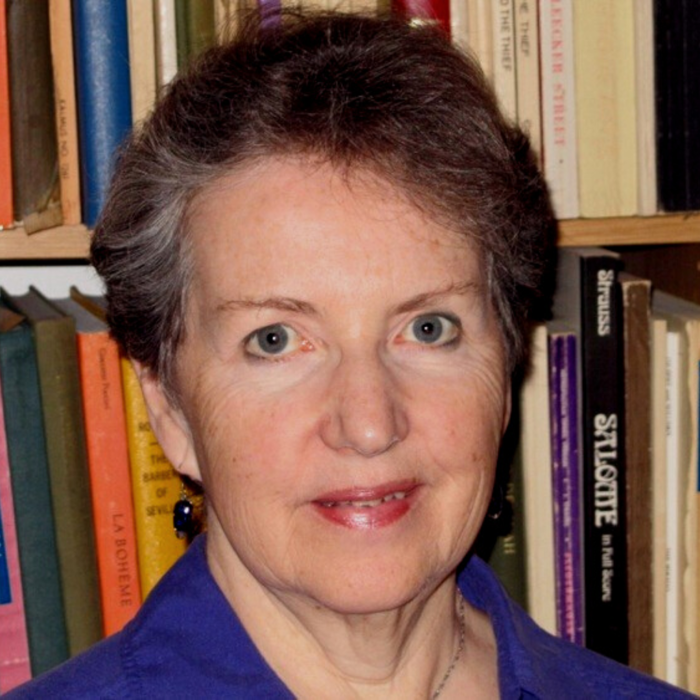
Marina Gilman
The Feldenkrais Method® is a form of somatic education that uses gentle movement and directed attention to improve physical and mental functioning, including singing and speaking. Since we are not always aware of the source of tension or discoordination, it is difficult to make the necessary adjustments to ensure optimal use of the voice!

Monday 2nd November 2026
5:00 PM - 7:00 PM
Tuesday 3rd November 2026
5:00 PM - 7:00 PM
(London Time)
The Vocal Health Challenges for Actors and Singers!

Leda Scearce
Two part course! Vocal health principles are inextricably and symbiotically linked with singing and acting voice pedagogy: Good vocal health allows the singer and actor to more easily and effectively achieve their technical and artistic goals, and good teaching reinforces vocal technique that diminishes the risk of vocal injury. We now also recognize the necessity for singers and actors to understand how their instruments work, how to take care of their voices, and what to do when something goes wrong. Singing and acting teachers are indeed on the front lines of vocal health!