Developing Inclusive Praxis & Safe Spaces for Global Majority Vocal Students
Tuesday 5th December 2023, 1:00 PM - 2:00 PM (London Time)
What is deemed as a safe space is often only considered so positioned through our own lens. Blind spots to another person’s lived experiences and world view, that may differ from our own, can often quite unconsciously end up in us excluding them from certain spaces or else cause them to feel the need to adapt or shape-shift to align with our own ideas. In addition to this, tradition and mainstream ideas around musical spaces and pedagogy have perpetuated narrow perspectives and a lack of systemic change often leaving vocal tutors with few resources and limited support to make teaching spaces more inclusive.
This workshop considers what it means to provide a safe learning space for all students; engages in self-reflection and wider reflection; challenges, where necessary, some of the frameworks and systems that dominate vocal theory and praxis; and seeks to make visible some of the many issues Global Majority students and teachers face that remain largely invisible in mainstream vocal rhetoric.
You are invited to a warm and welcoming environment to explore these issues and reflect together. Please bring questions and a supportive, open mind to the perspectives of others.
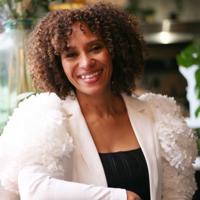
Natasha Hendry
Natasha Hendry is currently a PhD psychology candidate at the University of West London with joint supervision from the London College of Music. Her research interests lay in Music Psychology, specifically in relation to Education, Performance and Wellbeing...
Sorry, this is an archived short course...
We have plenty of upcoming short courses coming soon. See details of some of them below or look at the full list of short courses.

Tuesday 27th October 2026
5:00 PM - 7:00 PM
(London Time)
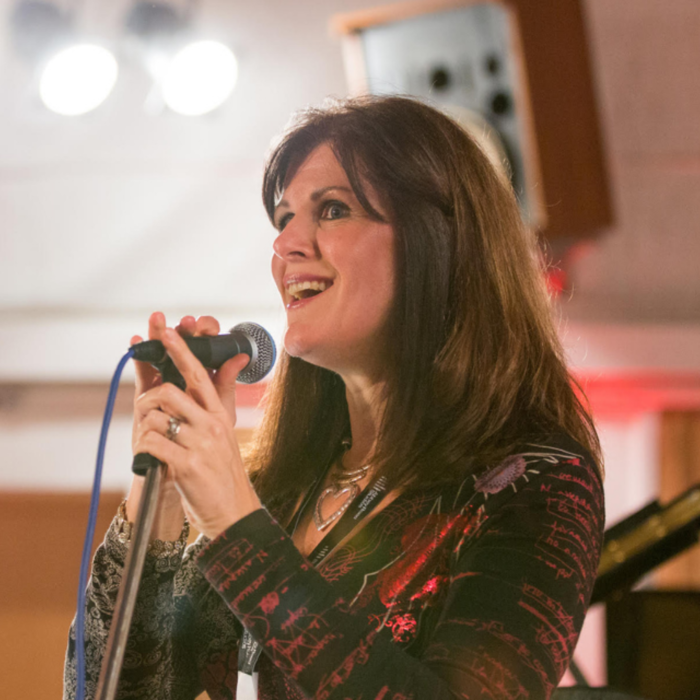
Pop Pedagogy - an Overview

Kim Chandler
Some successful pop stars are celebrating career lengths of over sixty years, having been around since the 1950s when pop music emerged and diversified from jazz, so pop singing has been in existence sufficiently long now that, for teaching purposes, we can observe and analyse what type of approach serves it best.
Friday 30th October 2026
3:00 PM - 5:00 PM
(London Time)
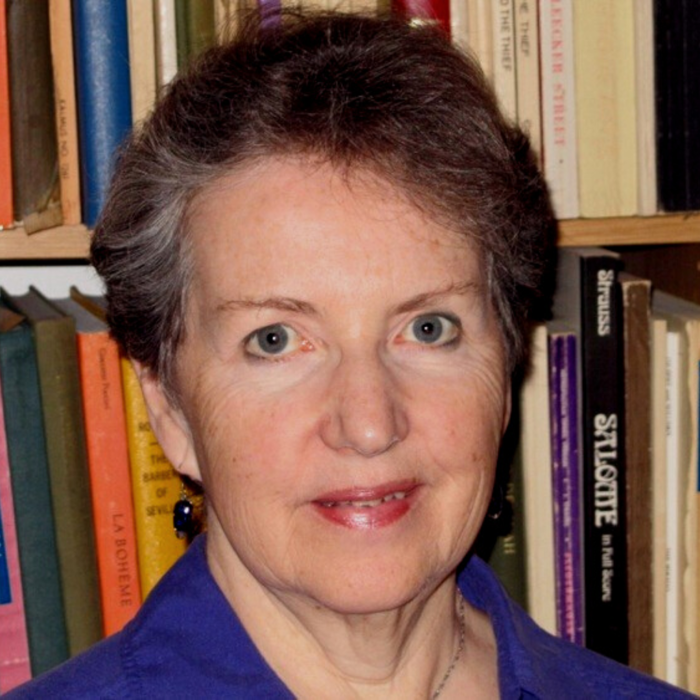
Feldenkrais Method® - its application in speech and song!

Marina Gilman
The Feldenkrais Method® is a form of somatic education that uses gentle movement and directed attention to improve physical and mental functioning, including singing and speaking. Since we are not always aware of the source of tension or discoordination, it is difficult to make the necessary adjustments to ensure optimal use of the voice!

Monday 2nd November 2026
5:00 PM - 7:00 PM
Tuesday 3rd November 2026
5:00 PM - 7:00 PM
(London Time)
The Vocal Health Challenges for Actors and Singers!

Leda Scearce
Two part course! Vocal health principles are inextricably and symbiotically linked with singing and acting voice pedagogy: Good vocal health allows the singer and actor to more easily and effectively achieve their technical and artistic goals, and good teaching reinforces vocal technique that diminishes the risk of vocal injury. We now also recognize the necessity for singers and actors to understand how their instruments work, how to take care of their voices, and what to do when something goes wrong. Singing and acting teachers are indeed on the front lines of vocal health!