Emotion in the Singing Voice
Thursday 4th July 2024, 2:00 PM - 4:00 PM (London Time)
While there has been a significant amount of research conducted into how speakers use emotion in the voice and how listeners hear it, how this relates to singing is a relatively new field. This session will explore what we know about how natural and acted emotion impacts the voice, and how singers might be able to use it to enhance their performance.
Singers are required not only to perform with technical skill, but also to communicate on an emotional level to the audience. Knowledge of how listeners decode emotion can improve how a singer implements emotion in a performance. This session will demonstrate how an academic understanding of this can also inform practical applications for singers and voice teachers.
Singers can become concerned about intense emotional performance overwhelming their technique and either destabilising the vocal performance or putting their vocal health at risk. By understanding more about how the body responds physiologically to different emotions and how listeners perceive the emotion, singers can learn to make choices to allow the listener to experience the emotion without the singer needing to feel it so deeply within their own bodies.
This two-hour session will cover:
- How do we perceive emotion in the voice?
- How much control do we have over our emotional response?
- What is the difference between natural and acted emotion?
- How do listeners perceive genuineness of emotion?
- How can performing intense emotion affect our vocal health?
- What characteristics of emotion do we hear?
- What are the practical applications?
- Workshop – some listening exercises and an opportunity to try out the practical applications in the voice.
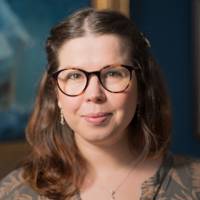
Louisa Morgan
Louisa Morgan is a lecturer, voice teacher and researcher, with a special focus on spoken and sung emotion. Louisa lectures with Voice Study Centre (spoken voice lead) and teaches Musical Theatre students on the MA/MFA course at the Guildford School of Acting (GSA).
Attend this course for as little as £22 as part of the Voice Professional Training CPD Award Scheme.
Learn MoreSorry, this is an archived short course...
We have plenty of upcoming short courses coming soon. See details of some of them below or look at the full list of short courses.

Tuesday 22nd July 2025
5:00 PM - 7:00 PM
Tuesday 29th July 2025
5:00 PM - 7:00 PM
Tuesday 5th August 2025
5:00 PM - 7:00 PM
Tuesday 12th August 2025
5:00 PM - 7:00 PM
Tuesday 19th August 2025
5:00 PM - 7:00 PM
Tuesday 26th August 2025
5:00 PM - 7:00 PM
(London Time)
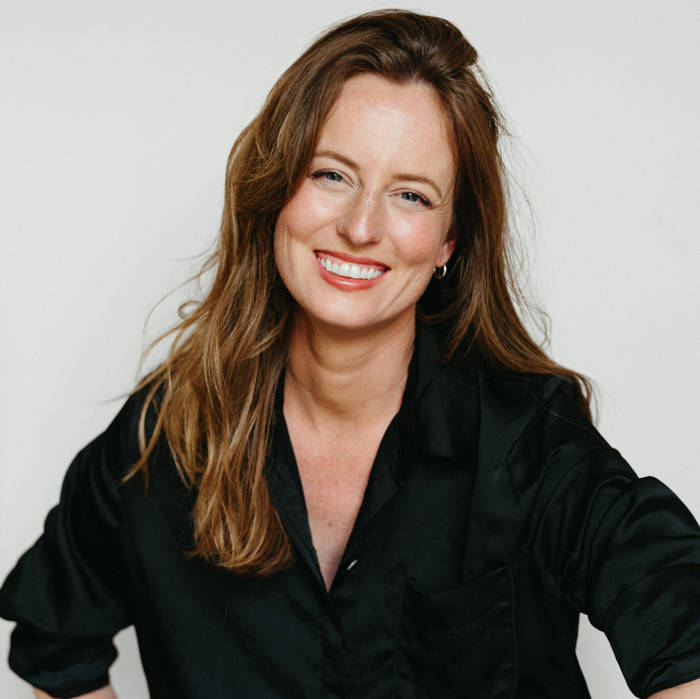
Certificated Public Speaking Coach qualification - with John Henny

John Henny
Would you like to be a certified public speaking coach? Join the renowned John Henny for this exciting new online course! This six-week online certification course is designed to equip voice teachers with the specialised skills needed to work with public speakers, corporate trainers, educators, and presenters. Unlike a general public speaking course, this program is specifically tailored to train-the-trainer, giving voice professionals structured methodologies, coaching techniques, and applied skills to enhance vocal delivery, confidence, and influence in professional speakers.
Thursday 24th July 2025
5:00 PM - 6:00 PM
(London Time)
Transitioning From Soprano To Mezzo-Soprano - Pedagogical Approaches!

Dr Caitlin Moore
This workshop will explore the considerations for transitioning from soprano to mezzo-soprano. We will examine the history and vocal science related to voice classification as well as interviews with singers and voice teachers. Interviews feature singers who have experienced this Fach change themselves, as well as voice teachers who have helped singers navigate this shift.

Tuesday 29th July 2025
5:00 PM - 7:00 PM
(London Time)
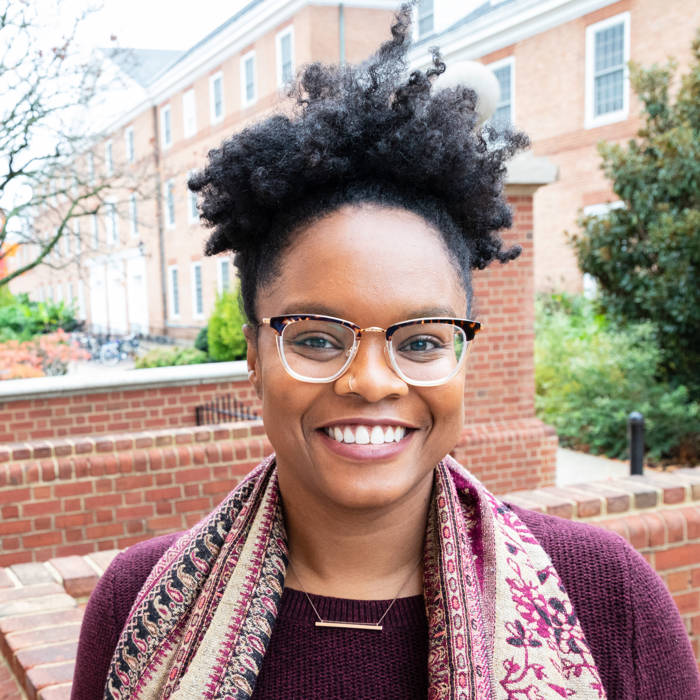
Towards a Jazz Pedagogy: Lessons from Legends and Educators!

Dr Autumn Griffin
Join Dr Autumn Griffin as she explores the foundational tenets of jazz pedagogy as both a conceptual and practical framework for teaching, in this two-hour workshop. Drawing from her research in “Towards a Jazz Pedagogy: Learning with and from Jazz Greats and Great Educators,” she’ll investigate how jazz (its historical and cultural legacy, structure, improvisation, and relationality) can be mobilized to inform dynamic, liberatory educational practice!