Flexible Pedagogy: Teaching Singers with Dynamic Conditions
Thursday 4th June 2026, 5:00 PM - 7:00 PM (London Time)
In recent years, there has been increased awareness in the singing voice community about invisible conditions such as Hypermobility Spectrum Disorders (HSD), Hypermobile Ehlers-Danlos Syndrome (hEDS), and Postural Orthostatic Tachycardia Syndrome (POTS). Symptomatic hypermobility and hEDS affects joints and connective tissues including the vocal folds, vocal tract, laryngeal structures, and the respiratory subsystem. Although hypermobility may offer singers some advantages, including increased range and flexibility, voice disorders occur more frequently with these conditions, so related awareness is important for singers and teachers. POTS is a multi-symptomatic dysregulation of the autonomic nervous system. Voice, breath, and cognitive function may be negatively influenced, making performance and practice more challenging. HSD, hEDS and POTS are often overlapping diagnoses, each associated with a long list of symptoms and comorbidities that affect various systems of the body. If voice students disclose one or more of these syndromes, teachers need to use supportive and flexible pedagogy in their practices.
This session includes a basic overview of hEDS, HSD, and POTS. Approaches will be presented that can help students to sing healthily and advocate for appropriate accommodations. Via case studies, participants will gain an understanding of both special challenges and management strategies for living and singing with these conditions. This will give teachers tools to compassionately and knowledgeably support their students.
Pedagogy for singers with hEDS, HSD, and POTS must be adaptable and creative, tailored to individual goals while remaining achievable under the circumstances of each day. Singing teachers have the great privilege of encouraging their students to advocate for themselves, and most importantly, to keep singing!
🏷️ Price £30 (UK VAT inclusive)
🎥 Recording automatically sent to all who book (even if you cannot attend live)
▶️ Rewatch as many times as you like
📜 Certificate of attendance available

Joanne Bozeman
Joanne Bozeman, graduate of the University of Arizona, has taught singing for over 50 years and is retired from Lawrence University's Conservatory of Music in Appleton, Wisconsin, where she taught studio voice and voice-related courses. Her students have gone on to excellent graduate and young artist programs, and have pursued careers as performers, teachers, conductors and voice care professionals.
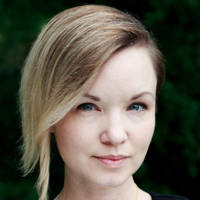
Marita Stryker
Marita Stryker is a voice educator, performer, PAVA-recognized Vocologist, and movement specialist. She serves as Assistant Professor of Music (Contemporary Voice) and Director of Musical Theatre at St. Olaf College.

Attend this course for as little as £22 as part of the Voice Professional Training CPD Award Scheme.
Learn MoreSorry, this is an archived short course...
We have plenty of upcoming short courses coming soon. See details of some of them below or look at the full list of short courses.


Monday 19th October 2026
2:00 PM - 4:00 PM
Tuesday 20th October 2026
2:00 PM - 4:00 PM
(London Time)
Introduction to Vocal Acoustics for Spoken and Sung Voice

Gökçe Kutsal
This course is designed to break down the fundamentals of acoustics for both spoken and sung voice in a beginner-friendly, accessible way — so you can easily understand and apply these concepts to your teaching or research.

Tuesday 20th October 2026
5:00 PM - 7:00 PM
(London Time)
Practical Magic*: The Art & Science of Balancing Voices with SOVTs and VFEs

Melanie Tapson
Through live demonstrations, group practice, and peer coaching, you’ll learn how to teach SOVTs and VFEs with clarity and precision, integrate their principles to support vocal health, recovery, and stylistic flexibility and troubleshoot challenges and adapt exercises for individualized results.
Tuesday 27th October 2026
5:00 PM - 7:00 PM
(London Time)
Pop Pedagogy - an Overview

Kim Chandler
Some successful pop stars are celebrating career lengths of over sixty years, having been around since the 1950s when pop music emerged and diversified from jazz, so pop singing has been in existence sufficiently long now that, for teaching purposes, we can observe and analyse what type of approach serves it best.